
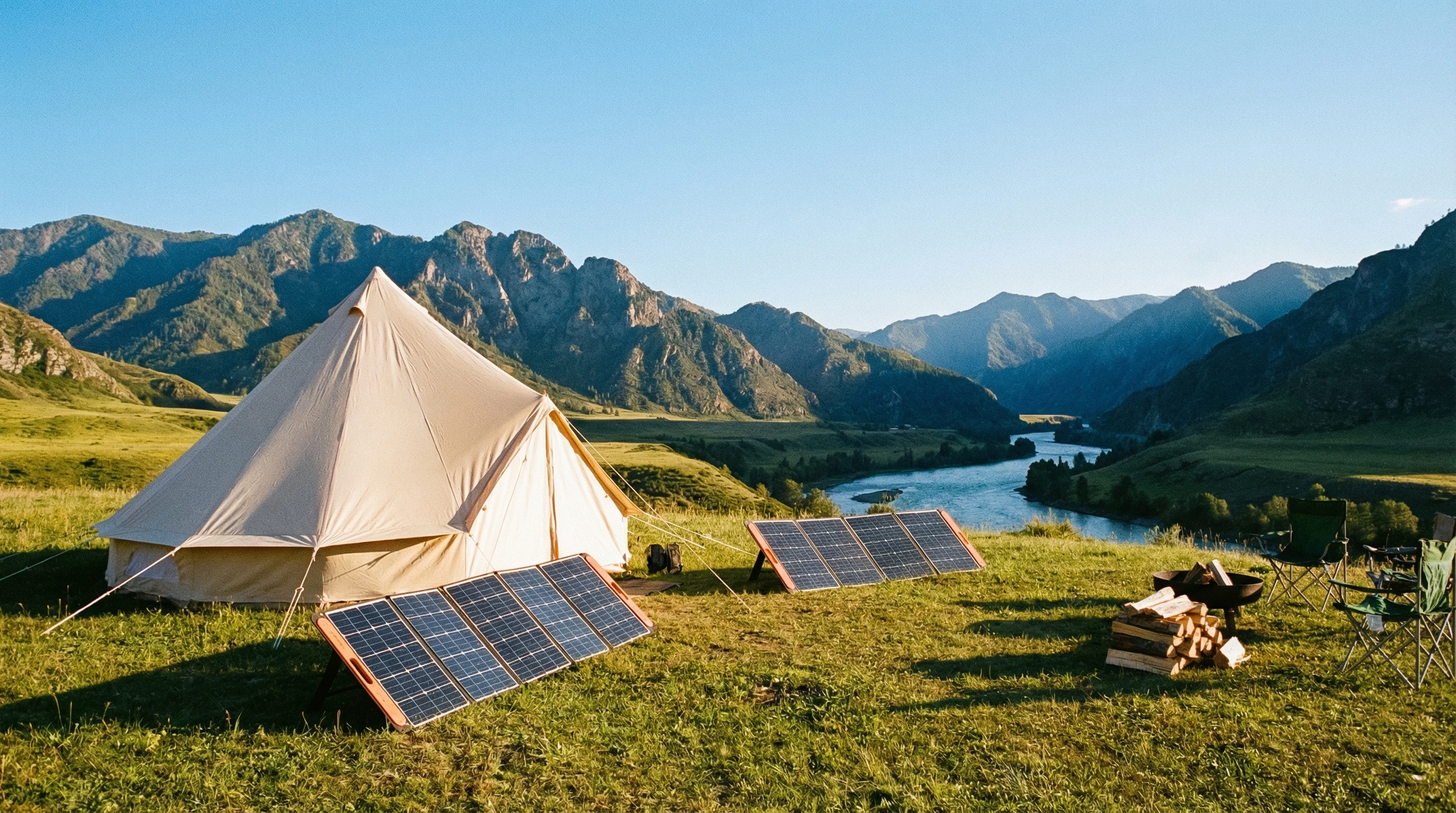
Having a reliable source of power while on the go feels really important, especially for campers, road trippers, and anyone who spends time outdoors. For me, portable solar panels give peace of mind by making it easier to keep devices charged and power small appliances wherever I am. The technology has come a long way, so today’s panels are not only lightweight and foldable, but also more efficient and versatile than ever.
Shopping for a portable solar panel can be a bit overwhelming if you haven’t done it before. There are loads of choices out there, but not all panels are equal when it comes to size, power output, and features. So, I’ve put together my personal thoughts on three portable solar panels that I think you’ll really appreciate for different reasons. All three work well for camping, RV trips, emergencies, or backyard projects.
Below, I’ll share what stands out about each one, including the specifications, unique features, and reasons I think they’re worth checking out.

1. BLUETTI 200W Portable Solar Panel
The BLUETTI 200W Solar Portable Solar Panel offers solid power output while staying lightweight and foldable, which makes it a good match for travelers and outdoor lovers like myself. BLUETTI is a popular brand in the portable power world, especially for people who also use portable power stations. If you ask me, this panel feels like a smart choice if you value build quality and easy setup.
Specifications:
- Power Output: 200W (max)
- Cell Type: Monocrystalline silicon
- Efficiency: Up to 23.4%
- Weight: About 16.1 lbs (7.3 kg)
- Unfolded Dimensions: 2324 × 580 mm (~91 × 23 in.)
- Folded Dimensions: 580 × 680 mm (~23 × 27 in.)
Features I Find Really Helpful:
- Water resistant (IP65 rated) for outdoor use, including light rain and splashes. This provides extra peace of mind if the weather changes suddenly.
- Flexible stand allows the panel to be adjusted for better sun positioning. I like this because it helps get the most out of the available sunlight without needing other equipment.
- MC4 connector works with a wide range of BLUETTI power stations and can also connect to other brands with adapters.
- Fold-up design with a carry handle, which makes it very portable for moving between campsites or for storage in a van or car trunk.
What Stands Out:
The BLUETTI 200W panel stands out for delivering a solid mix of portability and efficiency. In my experience, the carrying handle and compact folding design actually make a difference, especially on solo camping trips where space is limited. For folks who already own Bluetti gear, the plug and play setup is a bonus. While it may feel a bit heavier than some smaller panels, the extra watts it delivers mean I can keep more devices running without worry. Many users have also mentioned that the sturdy construction makes it a good investment for repeated outdoor use. Plus, if you’re someone who moves frequently between locations, you’ll appreciate how easily it folds up without much hassle.
Learn more about the BLUETTI 200W Portable Solar Panel and get yourself one! (Affiliate link)
2. Jackery SolarSaga 200W Portable Solar Panel
Jackery has a solid reputation in the portable solar world for making gear that is simple to use and dependable. The SolarSaga 200W is one of their highest output panels, and it pairs especially well with Jackery’s own Explorer power stations. I think this panel could be a great fit if you want something that’s easy for even beginners to use and tough enough for real outdoor adventures.
Specifications:
- Power Output: 200W (max)
- Cell Type: Monocrystalline silicon
- Efficiency: Up to 24.3%
- Weight: About 17.6 lbs (8 kg)
- Unfolded Dimensions: 21.2 × 91.3 × 1.02 in. (53.8 × 231.9 × 2.6 cm)
- Folded Dimensions: 24 × 21.2 × 1.6 in. (61 × 53.8 × 4 cm)
Features I Like:
- Built in kickstands to prop up the panel easily at the best angle for sunlight. This is helpful when I’m moving around a lot and need a quick setup.
- IP67 waterproof and dust proof, so it can handle rougher weather better than most panels I’ve tried.
- Magnetic pads make folding and carrying simpler, while the integrated handle is comfy during transport.
- MC4 connectors make it compatible with most power stations. Jackery’s setup is also super straightforward with its own products, so it’s useful for people new to solar panels.
What I Notice Most:
The SolarSaga 200W is really easy to manage for solo or family trips. The tough, weatherproof design stands up well to rainy or dusty situations, and the folding magnets make setting up or packing up quick. While it is a bit on the heavier side, I noticed this really only matters if you’re backpacking far from your vehicle. The efficiency seems a bit higher compared to most panels I’ve tested in this size, so you can get more usable power from limited sunlight hours. Customers have also commented on how the built in kickstands are reliable, even on uneven ground, which adds to the panel’s ease of use.
Get powered up with a Jackery SolarSaga solar panel here! (Affiliate link)

3. EcoFlow NextGen 160W Portable Solar Panel Bundle
EcoFlow is known for thinking outside the box and user friendly features. The NextGen 160W bundle is slightly smaller in output than the others on my list, but it’s very lightweight and packs a punch for its size. I consider it an appealing choice for travelers who want maximum portability or plan to use solar for lighter charging needs, like laptops, camera gear, or small gadgets.
Specifications:
- Power Output: 160W (max)
- Cell Type: Monocrystalline silicon
- Efficiency: Up to 23%
- Weight: About 15.4 lbs (7 kg)
- Unfolded Dimensions: 61.8 × 26.8 × 1.0 in. (157 × 68 × 2.5 cm)
- Folded Dimensions: 26.8 × 16.5 × 1.0 in. (68 × 42 × 2.5 cm)
Features That Make Life Easier:
- Folds down smaller than most high power panels, so it fits easily in RV garages, car trunks, or even backpacks for short hikes off grid.
- IP68 water and dust resistance is higher than most panels in its class. This means I don’t have to worry as much if I get caught in a downpour or if the panel sits in sand or dirt.
- Integrated kickstand and pouch for cables and accessories. This organizer pocket makes it a lot easier not to lose small items.
- MC4 connectors are standard, allowing connection to a wide range of portable power stations, not just EcoFlow models.
Why I Would Choose It:
I reach for the EcoFlow NextGen 160W when weight and portability are more important than pushing the absolute most watts possible. For shorter adventures or charging lighter electronics, the small size makes a difference. It’s also easy to set up quickly and put away even faster, which saves time when the sun is moving or if I need to change locations often. I also like the extra durable construction that holds up to unexpected weather. An added bonus is the accessory pouch, which helps keep all the cables and connectors organized so nothing goes missing in the shuffle.
Learn more about the EcoFlow NextGen 160W Portable Solar Panel! (Affiliate link)
How to Pick the Best Portable Solar Panel for You
When I’m helping friends pick a portable solar panel, I always recommend thinking through what they plan to use it for first. For heavy duty needs or longer trips where running bigger power banks and multiple devices is important, a 200W panel like the BLUETTI or Jackery will be more suited. If saving space and weight matter most, like for shorter backpacking or lightweight van builds, the EcoFlow 160W can be the better fit.
Pay attention to the types of connectors, waterproofing, and how the panel folds down, since these make day to day use a lot more convenient. Matching the panel’s output with your portable power station is really important too. Double check specifications before buying to make sure everything matches up. If you’re new to solar or using this equipment on the go for the first time, I’d also suggest watching setup videos and reading user reviews for extra tips. For those curious about how different solar panels work, you can find good reading about portable solar panel basics at Energy.gov Solar Basics. Also, consider your environment—panels that are extra tough against dust and rain will save headaches if you’re often outdoors in unpredictable weather. If you often camp with family or friends, you might want to pick a panel with quick setup features and extra connection options for sharing the power.
See also: Top 5 Portable Solar Generators For Emergency Preparedness
Final Thoughts
All three of these portable solar panels bring something helpful to the table. The BLUETTI 200W is well made and reliable for most outdoor uses. The Jackery SolarSaga 200W is great for quick setup and extra tough weather needs. The EcoFlow NextGen 160W bundle works well for lighter adventures or if space is a top concern. I’ve tried and tested portable solar in all sorts of settings, so I can say from experience that having a quality panel makes a huge difference in the convenience and comfort of any off grid setup.
If you have questions about any of these models or want to share your own favorite portable solar gear, I’m always happy to keep the conversation going. And remember, technology is always changing, so it’s smart to check back for new models and features if you want the most current gear. Happy camping and stay powered up on your next adventure!
Here’s a little transparency: Our website contains affiliate links. This means if you click and make a purchase, we may receive a small commission. Don’t worry, there’s no extra cost to you. It’s a simple way you can support our mission to to help others discover solar electric power.

This was an eye-opener, Oren. I’ve been wild camping in the UK for a few years, and the idea of bringing portable solar panels makes a lot of sense compared to what I used to do.
In the past, I’d run the car’s engine in a damp field to power a laptop charger from the 12 V lighter socket, and ended up with a warning light on the dash! After a garage visit I learned that diesel engines and exhaust after-treatment systems don’t like slow idling in cold, wet conditions (they need a proper run on the motorway to clear particulates). That experience definitely made me think twice about relying on the car to power electronics when wild camping.
So that leads me to a question for you (and others reading this):
For a typical wild camping trip (arrive by car, pitch the tent, then leave the engine off only turning on for charging devices), which of the portable solar panels you recommend would best suit charging phones, small laptops, and maybe a compact power station all evening?
My opinion is that portability and ease of setup matter just as much as wattage. If I’m trekking into a hidden spot and don’t want to drag heavy gear, a panel that’s light, foldable, and still delivers enough power seems ideal.
Has anyone paired one of these panels with a small power station for multi-day trips? Curious how well they handle cloudy conditions too.
Hi Robert, I’ve had similar problems with prolonged idling of the car engine just to run accessories.
Any of the portable panels reviewed here, and many others in the 100 to 200 watt range, will work great. These were made to pair with portable battery power banks which provide a variety of charging ports and even AC for small AC appliances. We touch on a few good picks here.
With modern battery technology these will easily keep your devices charged and power some LED lights through the night and those cloudy intervals. All of the above manufacturers and others offer complete ready to go kits of portable solar panels and power banks.
Thanks for dropping by! Hopefully your stop here will make your next trip an exhaust fume/engine trouble free one ~ Happy trails!
– Oren
Loved this breakdown — it reads like advice from a friend who’s actually used the gear, not just copied specs off a product page. I especially like how you matched each panel to a type of user (more power for longer trips vs. lighter/compact for quick adventures), because that’s exactly what most people get stuck on when they’re shopping. The little real-world details you added—like the kickstands on the Jackery, the cable pouch on the EcoFlow, and the “this matters when you’re solo camping” portability note on the BLUETTI—are the kind of things that help someone feel confident before clicking “buy.” Also, props for the transparency on affiliate links and for reminding people to double-check connector compatibility with their power station… that one saves a lot of headaches. If you ever do an update post later, it’d be cool to see a quick “who this is best for” bullet list at the top and maybe a tiny note about how much performance drops with partial shade, but honestly this is already super helpful and easy to follow.
Hello, and thanks for the good words! I enjoy sharing info about, and experiences with, products that will help make harnessing solar electric power easy and practical for everyone in any situation.
I’ll make note of your suggestion regarding the additional info in a future update.