
Choosing a home battery storage system can make a real difference for anyone aiming to boost energy independence or save money on utility bills. Two of the most common battery types used in residential energy storage are Lithium Ion (Li-ion) and Lithium Iron Phosphate (LiFePO4 or LFP). Each type offers its own practical benefits and tradeoffs, and understanding these pros and cons helps me make the smartest choice for my needs.
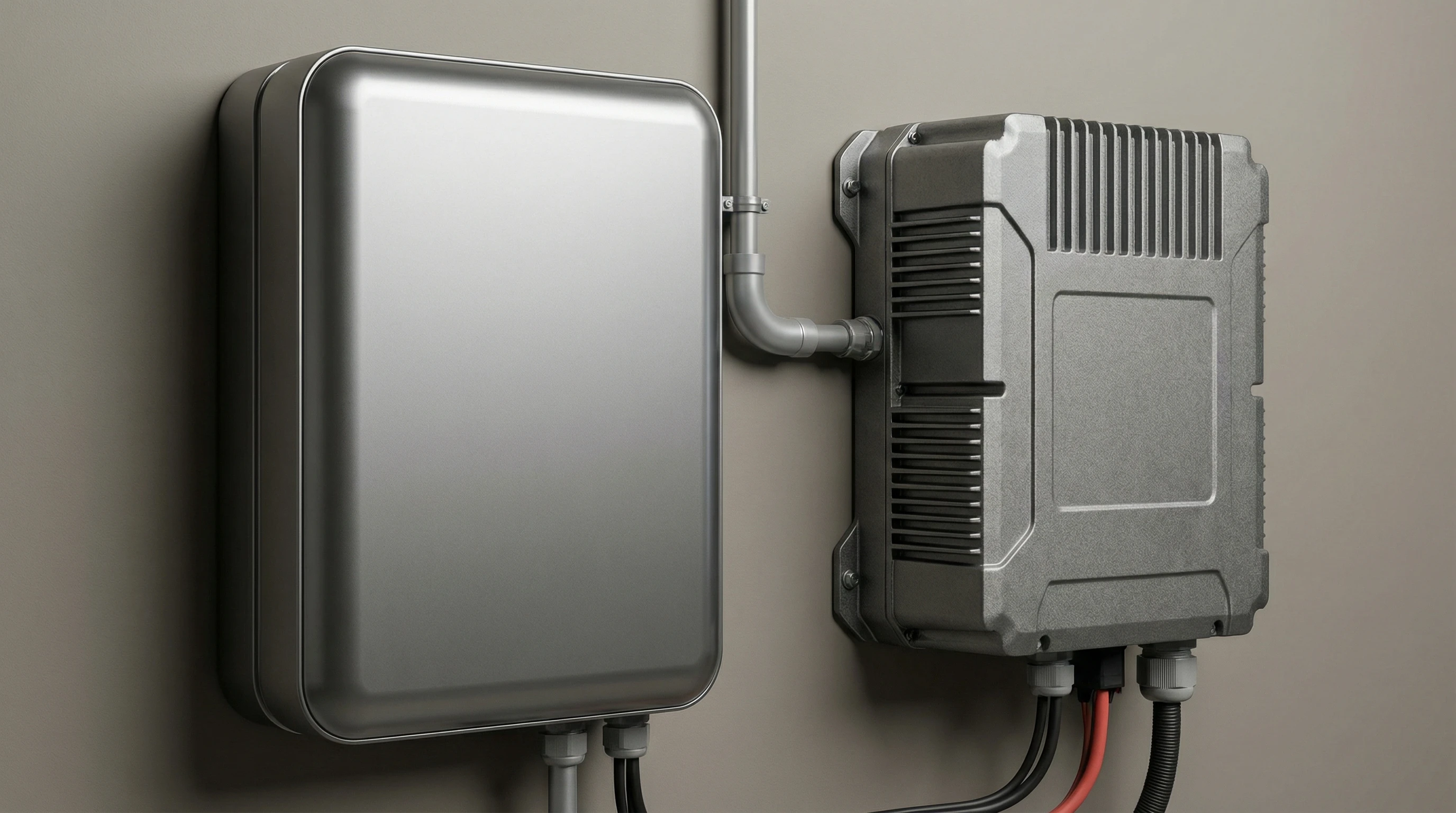
Understanding Lithium Ion and Lithium Iron Phosphate Batteries
First, it’s useful to know what sets these two battery chemistries apart. Both are part of the broader lithium battery family, which power many devices and vehicles today. Standard lithium ion batteries use materials such as nickel, manganese, or cobalt in the cathode. Lithium iron phosphate batteries, on the other hand, use iron phosphate in the cathode. This changes their performance and safety profile in several key ways.
Batteries store electricity as chemical energy and release it as needed. This process involves charging and discharging, and different chemistries handle it in their own way. That’s where the main pros and cons start to show up.
Key Pros: What Each Battery Does Well
When comparing Lithium Ion and Lithium Iron Phosphate batteries, I think it helps to focus on what each type tends to do really well. Here’s a rundown of the main reasons someone might pick one over the other and a closer look at their day-to-day performance.
- Lithium Ion (Li-ion) Pros:
- Higher energy density, which means storing more electricity in a smaller space
- Lighter and more compact, especially useful for spaces with tight installation areas or wall mount setups
- Often feature higher charge and discharge rates, making them useful for applications needing a quick burst of power
- Widespread manufacturing and use in consumer electronics help reduce initial costs and increase product variety
- Lithium Iron Phosphate (LFP) Pros:
- Longer cycle life, usually lasting several thousand charge cycles without noticeable degradation
- Improved safety due to a stable chemistry that is less likely to overheat or catch fire
- Wider temperature tolerance, helping the battery operate in hot or cold climates more reliably
- No cobalt, which makes manufacturing simpler and less reliant on rare resources along with more sustainable sourcing
Cons: Where the Drawbacks Show Up
Along with the positives, both types of battery have areas that might not work as well, depending on the situation. Weighing these drawbacks is really important for people investing in a storage system. Some of the most common limitations include space, cost, and sensitivity to climate.
- Lithium Ion (Li-ion) Cons:
- Shorter cycle life compared to LFP, often leading to more frequent replacements
- Higher risk of thermal runaway. This means overheating or, in rare cases, fire can occur if there is a malfunction
- Heavier reliance on cobalt and other rare metals, raising concerns about ongoing supply and sustainability
- Can struggle to perform in extreme heat or without proper temperature management
- Lithium Iron Phosphate (LFP) Cons:
- Lower energy density, which makes the batteries bulkier and heavier for the same storage capacity
- Usually a higher upfront cost, even if this balances out over the lifespan
- Can provide lower voltage output, sometimes making them less ideal for high power situations or high-drain applications
- Limited selection compared to classic lithium ion batteries, though this is changing as demand grows
Comparing Lifespan, Efficiency, and Cost
Lifespan is one of the main differences I notice between the two technologies. LiFePO4 batteries often deliver 3,000-5,000 or more charge cycles before dropping below 80% of their original capacity. Standard lithium ion batteries usually last for 1,000-2,000 cycles. If I’m planning to use my setup several times per day, LFP comes out on top for longevity, making it ideal for frequent cycling.
When it comes to efficiency (how much of the stored energy I can actually use), both types usually deliver 90% or higher round-trip efficiency. That means if I charge the battery with 10 kWh of solar power, I’ll typically get at least 9 kWh back later. There’s only a small difference here, often not enough to sway the decision by itself. Still, maintaining high efficiency can lead to lower power losses over the years.
Cost is a bit more complicated. Li-ion batteries often start off cheaper because of their popularity and high-volume production. But since LFP batteries last longer, I might actually save money over time, even if the upfront investment is a bit higher. Careful research helps buyers figure out which option offers the best value for their needs. It’s also worth remembering that market prices keep changing. For current prices and trends, sources like energy.gov provide helpful insight. Factoring in incentives or installation costs is smart, as some locations offer rebates or credits for certain battery types.
Safety and Environmental Impact
Safety is one of the most frequent topics when I compare these batteries. Li-ion chemistries can be more sensitive to temperature, overcharging, or damage from impact. This sometimes leads to headlines about fires, especially if the battery isn’t installed or maintained properly. LiFePO4 batteries have a structure that is much more stable, so the likelihood of issues like thermal runaway is a lot lower.
On the environmental side, LFP wins points for avoiding cobalt, which is not only more expensive but also connected to mining problems in certain countries. Fewer hazardous and rare materials mean less environmental strain overall. Recycling remains a challenge for both types, but fewer hazardous materials in LFP batteries can reduce the impact. If environmental responsibility matters, LFP gives the eco side a boost.
Installation, Maintenance, and Real-World Use
Space requirements are something I really have to think about if I’m tight on room. Li-ion’s greater energy density means I can fit more power in a wall mounted or small cabinet system. If space doesn’t matter and safety is a top priority, going with LFP could be the better bet, especially for homes in wildfire-prone or high-temperature regions.
Both types of battery are considered low maintenance, but it’s always smart to follow manufacturer recommendations. That means regular checks on performance and making sure system software stays current. Quality installation matters just as much as the battery chemistry. Bad wiring or improper ventilation can waste the advantages even of the safest battery. Professional installation avoids issues that might seem minor at first, but can make a big difference in reliability and lifespan.
For larger off grid systems or backup storage, the choice can mix it up. If my goal is to recharge and discharge my battery many times every week, I lean toward LFP for the lifespan. But if portability, weight, and initial price matter more, lithium ion is often the easier solution. In real-world use, things like local climate, roof size for solar, and energy goals may tip the scales as well.
Questions People Often Ask About Li-ion and LFP Storage
People deciding between these batteries usually want real answers, not just technical charts or specs. Here are a few common questions that arise:
Which battery charges faster?
Both types can charge quickly with a charger optimized for that battery type. Li-ion usually offers slightly faster charging at higher rates, but the difference is often small in a home storage setup.
Do I need to heat LFP batteries in winter?
LFP batteries can operate in cold temperatures, but performance drops below freezing. Some systems include built-in heaters or should be installed indoors in cold regions for best results.
Are LFP or Li-ion batteries better for solar?
LFP batteries are really popular for solar because longevity and safety matter. However, if space or budget is a concern, standard lithium ion batteries might still fit the bill.
How do warranties compare?
Warranties depend on the manufacturer. LFP systems will often come with 7-10 year warranties, while traditional Li-ion batteries may offer similar coverage or a bit less. Always check the details and verify what is covered—replacement, repair, or prorated credit.
How I Decide Which Battery is Best for Me
If I want storage that will last the longest and give me extra peace of mind, I look closely at lithium iron phosphate batteries. They’re especially good for people planning frequent cycles or those who are worried about fire risk. For people who just need compact storage, care about initial budget, or have limited installation space, standard lithium ion batteries might be a more practical choice.
Both options work well for home energy storage with solar power. In the end, I’m most likely to pick the one that matches my priorities. Whether that’s low cost, maximum lifespan, or the highest safety factor, understanding how each technology stacks up helps me make the right call for my home and budget.
That said, let’s look forward to what innovations the new year ahead has!