Choosing between grid tie and off-grid solar systems is one decision that can really shape how you use solar energy. As someone who has looked into both options for my own home and helped friends make that choice too, I know there’s a lot to consider. I’m going to share what I’ve learned about how these systems work, the real differences between them, and what you’ll want to keep in mind based on your needs and lifestyle.
Understanding Grid Tie and Off-grid Solar Systems
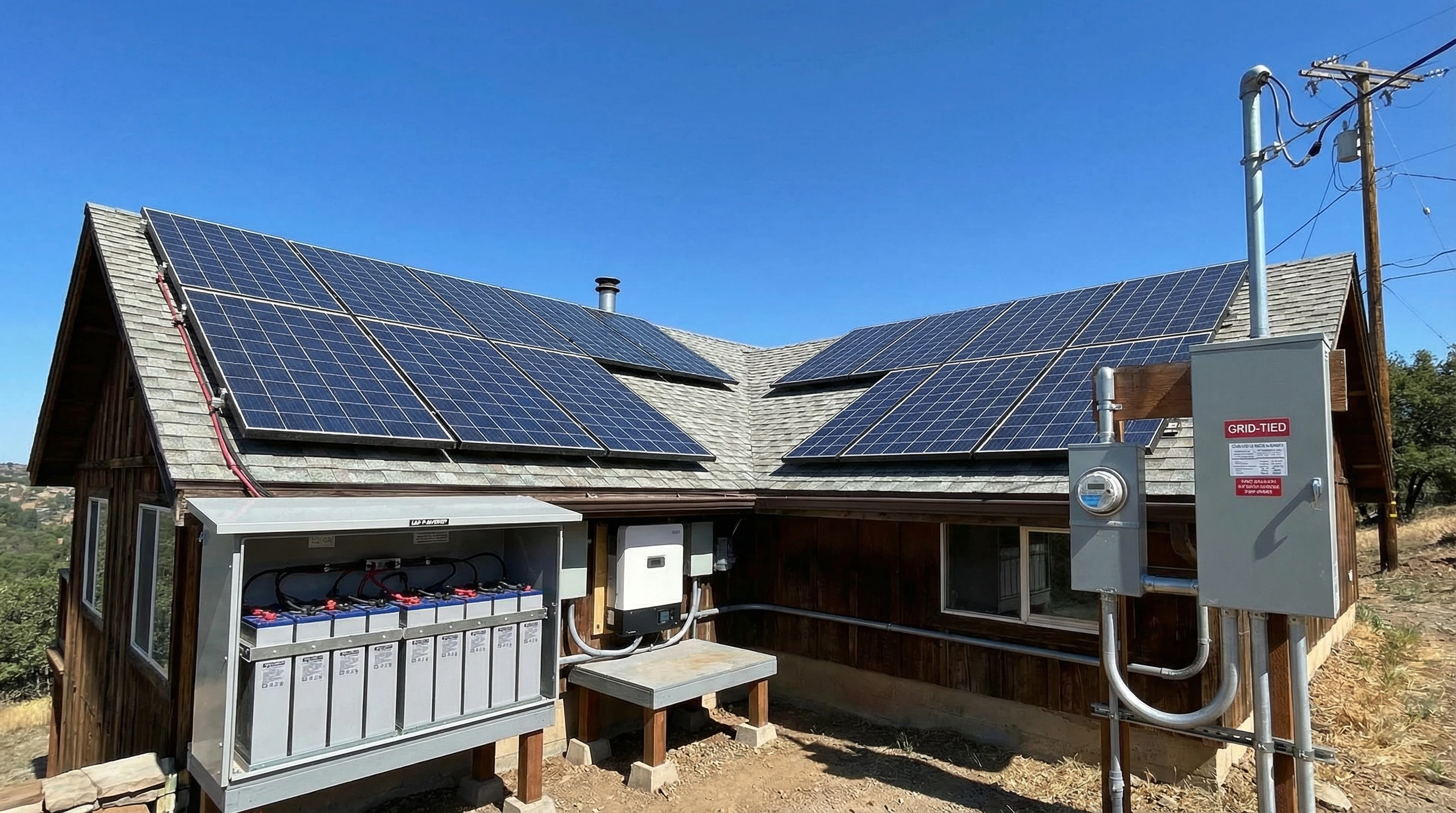
Solar energy systems come in two main styles: grid tie and off-grid. A grid tie system connects your solar panels to your local utility’s power grid. When your panels make more power than you use, the extra gets sent back to the grid. When the sun’s down or your energy use is higher than what your panels generate, you pull electricity from the grid just like normal. With this setup, you usually don’t need batteries, though some newer systems offer battery backup as an add-on.
An off-grid solar system stands on its own. It’s completely separate from the utility grid. All the energy you use comes from your solar panels and is stored in batteries for when the sun isn’t shining. People often think about off-grid for remote cabins, tiny homes, or places that can’t get regular power lines. These systems require careful planning, since you need to make sure you always have enough stored energy to meet your daily needs and handle bad weather.
One thing I’ve found is that off-grid setups have a certain appeal for those craving independence or who live in areas where connecting to the grid isn’t practical. While grid tie systems are more straightforward, going off-grid gives you a totally self-reliant setup—no monthly electric bill, but a lot more responsibility when it comes to managing your power. It’s worth noting that technology keeps getting better. More affordable batteries and “smart” controllers are making off-grid living more approachable for regular folks.
How Grid Tie Systems Work Day to Day
Living with a grid tie system feels familiar if you’re used to regular electricity service. Here’s how it works in practice:
- Net Metering: When your solar panels produce more electricity than you need, that extra power flows back to the grid. Often, through a program called net metering, your utility credits you for this energy. This can really help lower your monthly bill.
- Always-On Power: If your solar system can’t keep up with your needs; at night or on cloudy days, the grid automatically provides the rest. There’s no major lifestyle change needed.
- No Onsite Batteries Required: Most grid tie systems don’t require batteries. This keeps the cost, upkeep, and complexity lower.
Grid tie systems are the most popular choice for homes in urban and suburban areas where power lines are already available. I’ve noticed that, for most people, the ability to “set it and forget it” is a major plus. There’s also the confidence that even if your own system is having an off day, electricity is still just a switch away. Plus, if your area has sunshine during most days, you’ll find those utility bill credits really add up over time and make the investment worthwhile.
The Essentials of Off-grid Solar Systems
With off-grid systems, your house or cabin relies entirely on solar energy and energy stored in batteries. Here’s what’s different in daily life:
- Batteries Are Essential: Without the grid to fall back on, batteries store solar energy for use at night or during cloudy stretches. Picking good quality batteries and figuring out how much storage you need is super important.
- Sizing Matters: An off-grid system has to be carefully sized for both your usage and your worst-case weather. Oversizing costs more upfront, but undersizing can leave you without power.
- Lifestyle Changes: Off-grid living often means paying closer attention to your daily habits. Things like running the clothes dryer, powering a well pump, or heating water might need extra planning.
Off-grid solar is the usual choice for properties with no utility hookup, or for people who want total independence. I’ve helped design off-grid systems for mountain cabins, where the only other option was a noisy diesel generator. In those cases, solar made life much simpler, and much quieter.
If you’re considering going off-grid, it’s important to understand the routine involved. You’ll need to check battery levels, monitor system health, and sometimes adjust your energy use to match the amount of stored power. But many people grow to appreciate the challenge. There’s a unique satisfaction in knowing you’re providing all your own energy. Still, the learning curve is real; most folks new to off-grid living spend time tracking down the best ways to use energy smartly, avoid surprises, and keep things running smoothly. Some even install backup generators as a safety cushion in case of unusually long stretches of cloudy weather.
Key Differences Between Grid Tie and Off-grid Solar
The main difference comes down to how you handle backup and storage. With grid tie, the utility grid acts as your backup, so you don’t need as many batteries or special backup equipment. With off-grid, you rely on batteries for backup, and there’s no utility safety net.
Here’s a table that sums up the key differences I’ve seen:
- Grid Tie: Lower upfront cost, simple maintenance, power outage risk unless you add batteries, eligible for net metering credits.
- Off-grid: Higher upfront cost (mainly from batteries), more maintenance (for batteries and controllers), power always on as long as your system is designed right, full independence from the grid.
Energy security is one deciding factor. With grid tie, if there’s a blackout in your neighborhood, most standard solar inverters also shut down for safety. Unless you have a battery backup, your power goes out along with the grid. Off-grid systems are designed to keep running even when the rest of the grid is down, as long as your system is sized properly. The science behind it might be a bit dry, but from my experience, knowing you have lights and refrigeration even in a storm or blackout is a big confidence booster.
Biggest Drawbacks of Grid Tie Solar Systems
Grid tie solar works well for a lot of people, but there are some downsides I’ve come across:
- Dependent on the Utility Grid: When the grid is down, most grid tie systems stop supplying power, even if the sun is shining. Special inverters with battery backup can solve this, but they add cost and complexity.
- Changing Utility Rates: Net metering rules and payout rates can change. Some utilities are starting to credit less for excess solar, so future bill savings can be unpredictable.
- Not an Option for Remote Locations: If you live far from existing power lines, grid tie just isn’t available.
For most city or suburban homes, these issues don’t stop people from going solar, but it’s good to be realistic from the beginning. As the solar industry grows fast, and utilities adjust rules, keeping an eye out for changes in policy is smart. You don’t want to be caught off guard if your region tweaks its net metering credits or adds new fees on solar owners in the future.
Benefits and Tradeoffs: Which Type is Better?
I get asked a lot if one system type is flat-out better than the other. The answer depends on your situation. Here’s how I break it down:
- If you want the lowest upfront cost and you already have grid access, a grid tie system usually makes more sense. The energy savings are solid, especially if your area has good net metering incentives and few blackouts.
- If your top priority is energy independence, or if you live somewhere without grid access, off-grid is the way to go. You’ll pay more upfront for batteries, but you won’t be at the mercy of utility price hikes or outages.
For my own place, living in a regular neighborhood with reliable grid service, I chose grid tie solar. I liked the lower upfront cost, and net metering helps with my energy bills. If I lived far from town or in a spot with frequent outages, I’d look more closely at off-grid, despite the extra planning and maintenance needed for the batteries.
It’s important to remember there’s no official “winner” here; it all comes down to matching the system to your lifestyle, how much risk you’re comfortable taking, your personal values, and your long-term plans for the property. Even climate can play a role; for example, folks in cloudy regions may need to size up their off-grid batteries or accept more generator use in winter.
Things to Keep in Mind Before You Decide
- Power Needs: Figure out how much electricity you use daily and seasonally. For off-grid systems, careful planning around consumption is key.
- Budget: Both systems pay off best over the long haul, but off-grid has higher initial setup costs due to batteries and backup equipment.
- Future Flexibility: Grid tie is easier to upgrade if your needs change. Off-grid systems are less flexible, since adding more panels or batteries can require major rewiring.
- Maintenance: Off-grid systems demand more involvement from you, especially when it comes to battery lifespan and regular system checks.
Solar System Sizing Example
For comparison, a typical grid tie system for a three-bedroom home might cost less upfront by skipping the expense of batteries. That same home, if set up off-grid, would not only need solar panels but also multiple batteries to cover nighttime and cloudy-day power. The cost of batteries alone can be significant, and, in my experience, they usually need replacing every seven to twelve years.
Real-life solar setups aren’t just about the equipment; it’s also about your priorities and how you see yourself living day to day. For many, the peace of mind of the grid’s backup outweighs the appeal of energy independence. For others, being fully self-powered is the main goal, regardless of the extra effort.
Real-Life Uses and Who Each Type Suits Best
- Grid Tie: Most residential homes, city or suburban areas, places with stable power and good net metering deals.
- Off-grid: Remote cabins or properties, RVs, farms that are far from utility poles, people wanting complete energy independence.
I have a neighbor who chose off-grid solar for his hunting cabin deep in the woods. It would have cost a small fortune to run power lines that far, so the upfront solar investment paid off quickly. On the other hand, my friend who runs a bakery in the city went for grid tie plus a battery backup. This way, she saves on bills and keeps essentials powered during short blackouts.
In other real life examples, farms often use off-grid solar to run electric fences and irrigate crops far from the main house. Meanwhile, many urban homeowners are adding small battery backups to their grid tie systems so they can keep their fridges and WiFi working when there’s a rare outage. The technology is flexible, and you can decide how far you want to go to meet your specific needs. RV owners love off-grid systems for their freedom; no reservations required, as long as the sun is shining!
Frequently Asked Questions
What are the disadvantages of grid-tied solar systems?
Grid-tied systems depend on the utility grid for backup, so if there’s a power outage, most will go down unless you’ve added a battery with backup mode. Utility policies like net metering also change over time, which can affect your long-term savings. I’ve also found that grid tie isn’t possible for rural locations without power lines.
Which is better: on-grid or off-grid solar systems?
Grid tie solar works best in areas with reliable grid service, steady net metering rules, and for people who want the least upkeep. Off-grid solar works best when total independence is your goal or the grid just isn’t there. I recommend grid tie for most city homes, but off-grid makes sense when the grid isn’t an option or you want total control.
What is the difference between grid tie solar and off-grid solar?
Grid tie connects with the utility grid, letting you send extra energy to the grid and pull from it when needed. Off-grid works completely separately, using batteries to provide power at night and during bad weather. The main difference is how each handles backup power and storage.
Is grid tie solar worth it?
In my experience, grid tie solar makes sense for most people with existing electric service and reliable net metering. The monthly savings are real, especially if you use a lot of electricity during the day or live where solar incentives are available. It also requires less maintenance than off-grid systems.
Final Thoughts
Deciding what type of solar system to choose depends on your location, how much independence you want, and your energy needs. I always recommend taking the time to compare your power usage, check local rules, and run the numbers before making a decision. Real-life examples have shown me there’s no one-size-fits-all answer. It’s about matching the system to your lifestyle, your home, and your plans for the future.