
If you’re searching for a practical way to trim your home’s electricity costs, solar panels are definitely worth considering. Adding solar panels to your property can lead to considerable savings on your electricity bills, while also supporting a more sustainable lifestyle. My own experience with solar power included plenty of research and a good amount of skepticism, but after observing the monthly changes in my energy use and bill, the advantages became obvious. Let’s break down exactly how making this switch works so you’ll feel confident in making an informed decision.
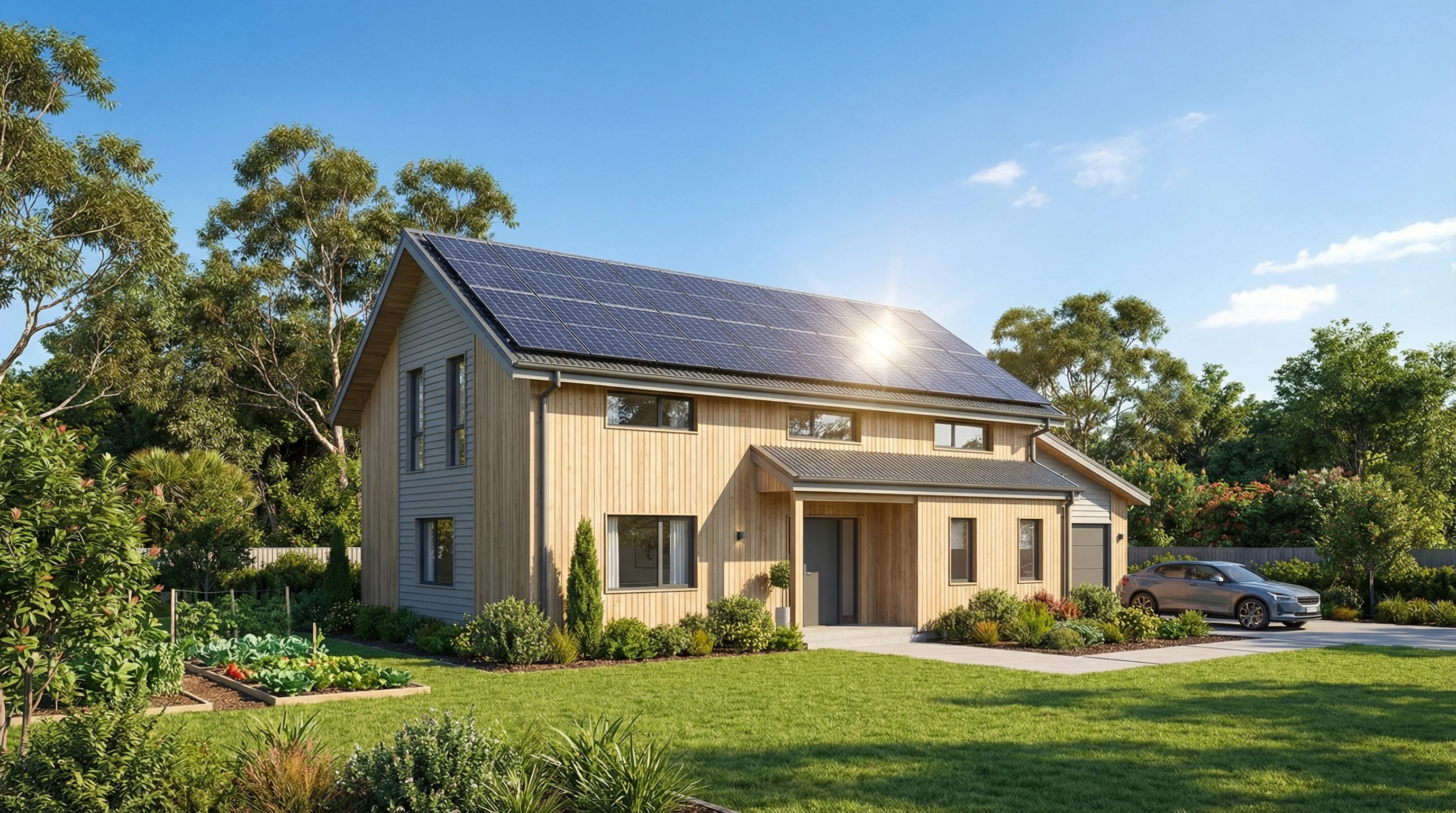
How Solar Panels Actually Lower Your Bills
Solar panels work by collecting energy from sunlight and turning it into electricity. This electricity is converted to AC that can power your home, letting you use less from your local utility. The less electricity you use from the grid, the less you pay on your monthly bill. In some places, you can even sell extra energy your panels create back to the utility company, which can help offset your costs even further.
The idea is pretty straightforward. When your solar system is making more power than you’re using, the surplus can go back to the grid if your utility allows it. This is often called “net metering.” On days when your usage is higher than your system’s output, like during cloudy days or at night, your power comes from the grid as usual. Over time, many homeowners see a major drop in their annual energy costs.
Based on both my personal experience and what I’ve heard from fellow solar users, most homes see bill reductions of 50% or more, depending on the system size, your electricity usage, and local electricity rates. Your results might differ, but the savings are steady enough to make solar worth looking into.
What to Know Before Installing Solar
Thinking about adding solar to your home? There are a few tips I picked up during my own installation that can help you prepare and make the most of your investment.
- Sun Exposure: A property with an open roof and/or land that catches several hours of direct sunlight each day is best. Shade from trees or nearby buildings can bring down your system’s effectiveness.
- Roof Condition: If your roof is older or showing signs of wear, it’s smart to repair it before adding panels. Most solar systems last over two decades, and removing panels later to fix your roof can get expensive.
- Local Policies: Some places offer rebates, tax credits, and incentives that make solar systems much more affordable. Make sure you check with local and state programs before signing a contract; this can save you a bundle.
- Net Metering Rules: Utility companies handle selling power back to the grid in different ways. Some pay you for surplus power your panels make, while others just credit your account.
One thing I wish I had double-checked is how the angle of my roof affects sunlight during different times of the year. A quality installer can help you estimate your system’s real-world output so you know what to expect on your bills.
Simple Guide to Maximizing Your Solar Savings
Getting the most value from your solar panels means more than just installing them and hoping for the best. Here’s how I made my system work better for me—and what you can do as well:
- Adjust Your Energy Habits: Use large appliances, like washers or dishwashers, during daylight hours when your panels are producing maximum power.
- Keep Panels Clean: Dust, debris, or leaves can stop sunlight from fully reaching your panels. A quick rinse a couple of times per year helps maintain top efficiency.
- Monitor Your System: Most new solar setups come with apps that let you keep an eye on your daily and monthly power output. Watching system performance helps you spot any issues early and get the most from your setup.
- Upgrade to Efficient Appliances: Swapping outdated appliances for energy efficient ones can ramp up your savings, since you’ll be using less of your generated electricity for the same chores.
- Look Into Battery Storage: Adding a battery system lets you stash extra energy for nighttime or outages. This adds to your self-sufficiency and can drop your power bill even further.
- See also: Batteries and Energy Storage
By using these steps, I found my power bills dropping lower than I expected, even during gloomy months with limited sunlight.
Common Challenges When Switching to Solar
Solar panels come with a lot of positives, but there are some real-world issues to keep in mind. I ran into a few of these myself, and being aware of them helped me plan ahead.
- Upfront Cost: The first investment can be high, even when you include rebates and incentives. Financing options, solar loans, or leasing plans help spread the cost over years.
- Weather and Seasons: Solar output might dip on overcast days or through winter, but over the year your production usually matches your household needs.
- Local Rules: Some homeowners’ associations or city governments set guidelines for rooftop panels. Reviewing these early helps you avoid headaches later.
- Maintenance Needs: Solar is mostly low maintenance, but rare hiccups like inverter issues or minor panel damage can come up. Looking into warranties and service plans is worth it.
- Severe Weather: Areas that experience extreme storms, tornadoes, hurricanes, large hail, heavy snow/ice accumulation present additional challenges. Solar panel durability and safe installation have to be carefully considered.
Upfront Cost and Financing
Expense is the main obstacle for most homeowners. My system’s price tag was lightened by a state rebate and a federal tax credit. You might find options like these in your area too. Most installers will walk you through available programs. If paying for your system up front isn’t realistic, zero-down financing or leasing are both solid alternatives.
- See also: DIY Solar Installation: When It’s A Good Idea And When To Call A Pro
- And: Avoid These Top 10 Mistakes During Solar Panel Installation
Weather’s Impact on Solar Production
I live in a place that sees plenty of cloudy days, so I wondered if solar would do me any good. Panels do make power even on those overcast days, though not as much as under clear skies. Yearly, most systems are still able to reduce average bills, even if there are a few months of lower production. Keeping reasonable expectations is crucial here.
Rules and Restrictions
Before signing any solar contract, I checked with my homeowners association. Some communities and cities require certain types of panels or have height and visibility rules. Your installer should be able to help you handle these requirements, but it’s always worth checking early on.
More Ways Solar Can Pay Off
Besides just shrinking your energy bill, solar brings along a handful of valuable perks. I found these extra benefits really make the change worthwhile in the long run.
- Increased Home Value: Research shows houses with solar panels often sell for more than similar homes without. Buyers are drawn by the ongoing savings and the eco-friendly boost.
- Protection from Rate Hikes: Electricity prices generally go up year after year, but when you create your own power, you protect part of your bill from those increases.
- Reduced Carbon Footprint: Generating your own power with solar helps lower your greenhouse gas output. For anyone focused on shrinking their environmental impact, that’s a serious bonus.
Seeing neighbors ask about my panels—and then install their own—proved to me that good ideas spread fast once folks notice the benefits on their bills.
Frequently Asked Questions About Solar and Energy Savings
Here are the questions I run into most often from friends or neighbors who are thinking about solar panels:
Question: How much do solar panels actually reduce your monthly bill?
Answer: Most homeowners I know, myself included, save anywhere from 50 to 90 percent on electricity bills. Actual numbers depend on your region and system size.
Question: What if my roof doesn’t get much sun?
Answer: Too much shade means you’ll make less energy, but even partial sunlight can help you save. Pros can do a full site evaluation to check if solar will pay off for your particular home.
Question: Can I install solar if I rent my home?
Answer: Owners have to sign off on any property updates, but some landlords will put in solar to get long-term savings. Renters should also check out community solar programs so they can buy energy from solar farms nearby.
Real-World Impact and Next Steps
Switching to solar panels gave me much more than smaller energy bills. I’m paying closer attention to how I use power every day and have become more mindful of my choices. If you’re thinking about making this change, doing some research upfront is key. Get a few quotes from reputable installers to figure out what your home needs and what your savings could be.
I recommend talking to friends or neighbors who already have solar and asking about their real-world experiences. Their honest reviews helped give me peace of mind and let me set good expectations for my own system. The benefits build over time: lower electric bills, fewer worries about price hikes, and the good feeling of knowing you’re making your own clean energy. Taking the leap to solar is a smart move for your wallet and for the planet.