
Solar energy battery storage systems give homeowners more control over how and when they use electricity. These systems allow me to store power generated by my solar panels during sunny hours and use it later when energy demand is higher or when there is no sunlight. Picking a battery storage system is not always straightforward since technology, capacity, and cost can vary a lot. In this article, I share my experience and knowledge, breaking down what matters most so you can make a well-informed choice.
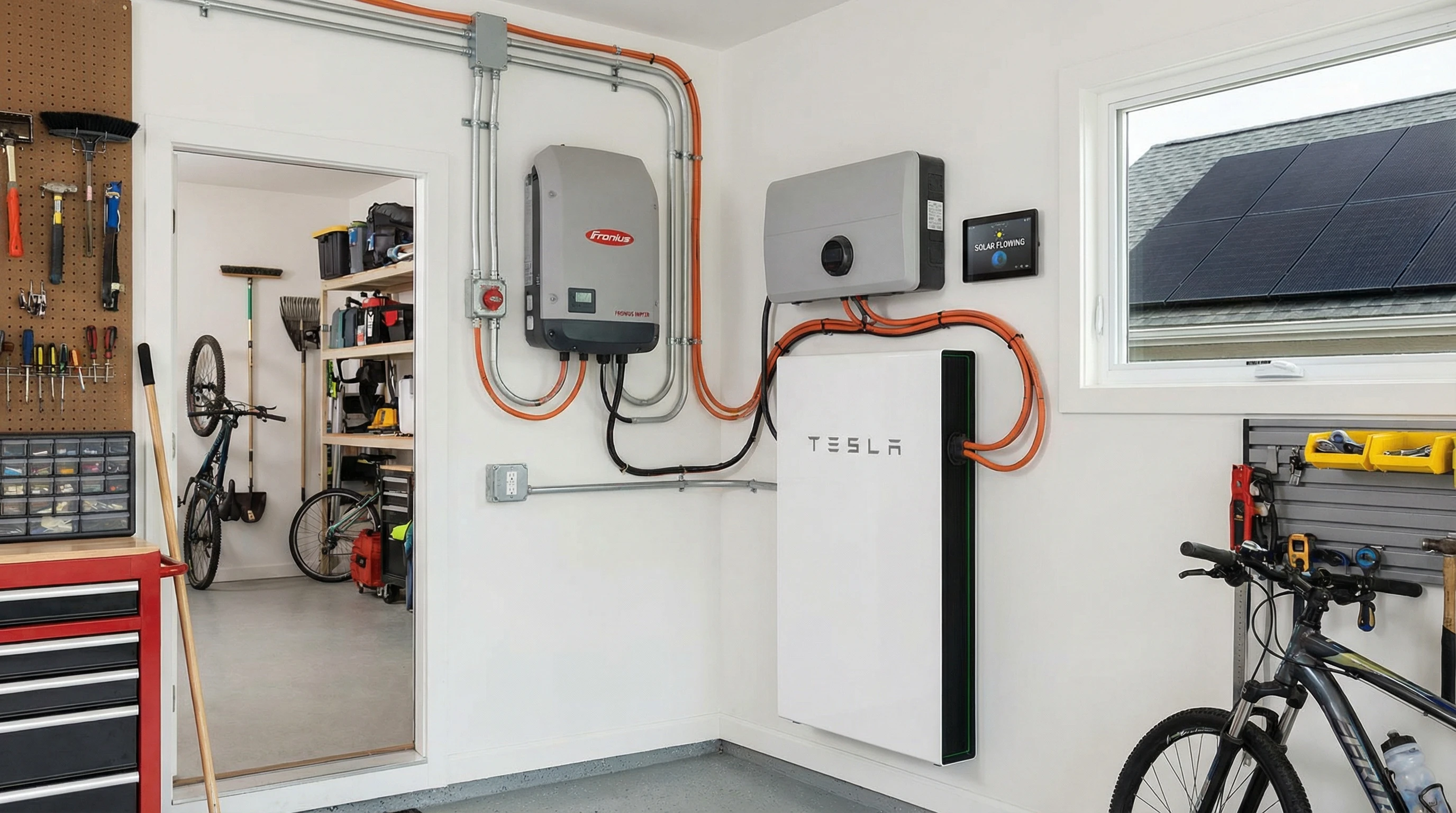
Understanding Solar Battery Storage for Home Use
Adding solar battery storage to a home solar system changes how energy flows through the household. Instead of sending all excess energy back to the grid, a battery stores it for use at night, on cloudy days, or during power outages. This gives me more independence from local utilities and helps lower utility bills if my area has time-of-use charges.
Home battery storage has become more accessible, with market growth driven by better technology and falling prices. According to the U.S. Energy Information Administration, residential energy storage saw significant growth in recent years as more homeowners adopted solar. This trend points to storage becoming a key part of home solar setups, not just an optional extra.
The technology behind battery storage began with simple lead-acid setups, but now options include lithium ion, flow batteries, and even saltwater solutions. Each option has its strengths and points to consider. For many homeowners starting out, lithium ion batteries tend to strike the best balance of performance, safety, and affordability.
Key Factors When Choosing a Solar Battery System
Choosing a solar battery storage system involves more than just picking the latest model. Several technical points directly affect how well a system works in my home. Here are some important concepts:
- Usable Capacity: This is the total amount of energy I can draw from the battery, usually measured in kilowatt hours (kWh). It helps me figure out how long the battery can power my essential appliances or lights during an outage.
- Power Output: The maximum power (in kilowatts or kW) the battery can deliver at any one time. This matters when running several high power devices at once, like an air conditioner and a microwave.
- Depth of Discharge (DoD): This represents how much of the battery’s capacity can be safely used without reducing its life. I look for batteries rated with a high DoD since I want to use as much of its stored energy as possible.
- Round Trip Efficiency: This refers to the percentage of energy that can be used from what’s put in. For example, a 90% round trip efficiency means I get 9 kWh out for every 10 kWh stored.
- Warranty and Lifespan: Most batteries are rated by cycles or years. A longer warranty gives me peace of mind, and more life cycles translate to better long term value.
Steps to Choose the Right Battery Storage System
Breaking the selection process into clear steps helps me stay focused. Here’s a method that worked for me:
- Calculate Energy Needs: I review past electricity bills to see how much energy I use each day. I also list which appliances I want the battery to back up during outages. Most homeowners find that a battery setup from 5 to 15 kWh matches their needs, but households with bigger energy demands may need more. When considering future needs, like electric vehicles, it’s smart to plan ahead so your system is future-proof. Don’t forget to consider seasonal variations in sunlight and energy use as well.
- Decide on Primary Purpose: I think about why I want a battery system. If I want backup power during blackouts, I look for whole home or partial home backup options. If my goal is to save money during evening hours, I focus on systems with good time-of-use management features, such as automated charging and discharging optimizations which give a boost to efficiency and savings.
- Match Compatibility with Solar Inverter: Some batteries only work with specific inverters. If I already have a solar system, I check what new batteries will fit with my current inverter. Sometimes upgrading the inverter is needed for newer, high capacity batteries, especially if you want to maximize efficiency and safety. Ask your installer for clear recommendations based on your current setup so you can avoid unwanted surprises.
- Check Available Space: Batteries are usually installed in garages, basements, or outdoor enclosures. I measure to ensure enough room and check for cooling and venting requirements, which can affect safety and performance. Also, think about accessibility for maintenance and proximity to the main electric panel or solar inverters since this can cut down on installation costs.
- Get Several Quotes: I gather proposals from local installers who are certified by the battery and inverter manufacturers. Comparing quotes and service offerings gives me better insights into pricing and after sales support. Don’t hesitate to ask for a breakdown of all costs, including warranties, regular maintenance, and potential upgrades.
What to Know About Battery Types
The most common options for residential solar batteries are:
- Lithium Ion: These batteries, including popular models like Tesla Powerwall and LG Chem RESU, provide high energy density, long cycle life, and good efficiency. They’re compact and require less maintenance than older types. The chemistry allows for deeper discharges, meaning you can use more of the battery’s total capacity without reducing its lifespan. Most new home installations use lithium ion because it is reliable and cost effective in the long run.
- Lead Acid: Lead acid batteries are cheaper up front but have shorter lifespans, lower usable capacity, and require more maintenance. They suit off-grid or budget focused projects where size and weight matter less. While some people choose lead acid for DIY systems in cabins or RVs, I find they aren’t ideal for the demands of most home setups because of the frequent need for monitoring and water refilling in flooded models.
- Saltwater and Flow Batteries: While not as common, these batteries use safer or less toxic materials. They promise better environmental performance but currently cost more and have lower market availability. Flow batteries in particular can cycle deeply and last for many years, which could be appealing for future applications.
Lithium ion dominates new home installations because it balances storage capacity, safety, and cost over the battery’s life. My advice is to look at lithium ion first, then compare others if you have special needs like offgrid living, frequent deep discharges, or environmental concerns.
Common Challenges Homeowners Face
Making a decision about solar batteries isn’t always smooth. Below are some common issues and how I deal with them:
- High Upfront Cost: Batteries can cost several thousand dollars, sometimes equal to or more than the solar array itself. I review local incentives and federal tax credits, which can lower the cost by 30% or more (source). State programs, utility rebates, and financing options might further reduce the price. Some regions even have virtual power plant programs where you can join a network of batteries and earn energy credits by letting the utility use your stored power in emergencies.
- Maintenance and Monitoring: Modern lithium ion systems need little ongoing care, but I still use an app or monitoring tool to track health and performance. Early maintenance helps solve small problems before they become big expenses. Occasionally, software updates from manufacturers improve performance, so keeping your system up to date is a good idea.
- Changing Technology: Solar battery tech moves quickly. I focus on proven brands and talk to installers with solid track records, so I don’t end up with a system that’s unsupported or quickly outdated. Looking at product warranties and company longevity helps, since you want reliable service over the battery’s lifespan.
- Grid Connection Rules: Utilities sometimes have specific rules for connecting batteries. Some require switching gear, safety disconnects, or participation in backup programs. Checking with the utility as a first step prevents headaches later. Utilities may also restrict how much power you can send back, which can influence battery operation and savings.
Safety and Siting
Battery safety is really important. Most home systems are meant to be safe under normal use, but where and how I install them matters. The batteries need to be away from direct sunlight, heat, and water. I also look for installers with certifications, since proper wiring and ventilation reduce fire risks. Manufacturers such as Tesla, Enphase, and Sonnen offer guidelines on safe siting for their systems. Following these best practices helps the battery run efficiently and keeps my home and family safe.
Efficiency Losses
No battery is 100% efficient. Some energy is naturally lost in the charging and discharging process. If I need every bit of stored power, I choose batteries with a higher round trip efficiency; some approach 95%, but many are closer to 85%–90%. This means careful planning is essential if your number one priority is powering critical loads as long as possible.
Practical Examples and Use Cases
Batteries suit several home energy scenarios. Personally, I use mine mostly for backup during storms and to avoid high priced grid power in the evenings. Here’s how others use theirs:
- Backup for Essential Circuits: Some people only back up the fridge, a few lights, and internet. This extends how long their battery lasts during blackouts. It’s a cost effective way to maximize fallback time without an oversized battery system.
- Whole-Home Backup: Certain systems are sized for entire home backups, running everything for several hours. This option is best for people with medical equipment at home or those who live in areas with frequent, extended outages.
- Time-of-Use Savings: In markets with utility rates that change based on time, batteries help reduce bills by storing electricity when it’s cheap and using it when rates climb. Some homes have reported monthly savings of 30% or more after switching to a battery based system in time-of-use markets.
- Off-grid Living: Batteries can allow full independence from the grid. This requires careful sizing and planning since everything depends on storage, especially during cloudy or winter periods. Off-grid homes often combine batteries with a backup generator for cloudy spells to ensure continuous power.
Families with battery storage often report more peace of mind about blackouts and more predictable energy costs throughout the year. I’ve seen this firsthand, and it’s a big motivator when making the investment. Battery owners also enjoy quieter homes compared to old fashioned generators and appreciate contributing to a cleaner energy mix.
Frequently Asked Questions
Here are answers to questions I often hear from people who are just getting started:
Question: Can I add batteries to my existing solar system?
Answer: In most cases, yes. It’s easier with more recent systems, but some older inverters may not be compatible. Talking with an installer helps clarify options.
Question: How long does a home battery last during a blackout?
Answer: That depends on the battery size and how much energy my home uses. A 10 kWh battery can run a few essentials for 8 to 12 hours or power a full house for 2 to 4 hours, depending on usage. Larger batteries or pairing several together can stretch runtime even further if needed.
Question: Are batteries worth it if I don’t have frequent outages?
Answer: If local electricity rates have peak pricing, I might still save money by using stored solar energy in the evenings even if outages are rare. If rates are consistent and outages are virtually never an issue, batteries may not pay off as quickly. However, some people value the added independence and price certainty, viewing the investment as a lifestyle choice.
Making the Decision and Taking the Next Step
Picking a solar battery storage system ties together my energy needs, budget, and level of backup I want. Getting quotes from multiple installers, checking compatibility, and reading other homeowners’ experiences makes the decision easier. A battery can transform how I use solar power at home, offering more self-sufficiency and a reliable backup for unexpected outages. Researching and planning up front helps make sure my investment delivers what I want, both now and for years to come.