
Solar power has gone way beyond basic rooftop panels over the past few years. As 2025 draws to a close the excitement around clean energy in 2026 keeps building. In 2025, some eye-catching breakthroughs have been picking up steam.
Tapping into solar energy used to mean bulky hardware and complicated setups. These days, there are more flexible, smarter, and better performing options for both homes and large scale use. Here’s my look back at the latest solar technology innovations that shaped 2025. We’ll also take a sneak peek at where things are heading from here.
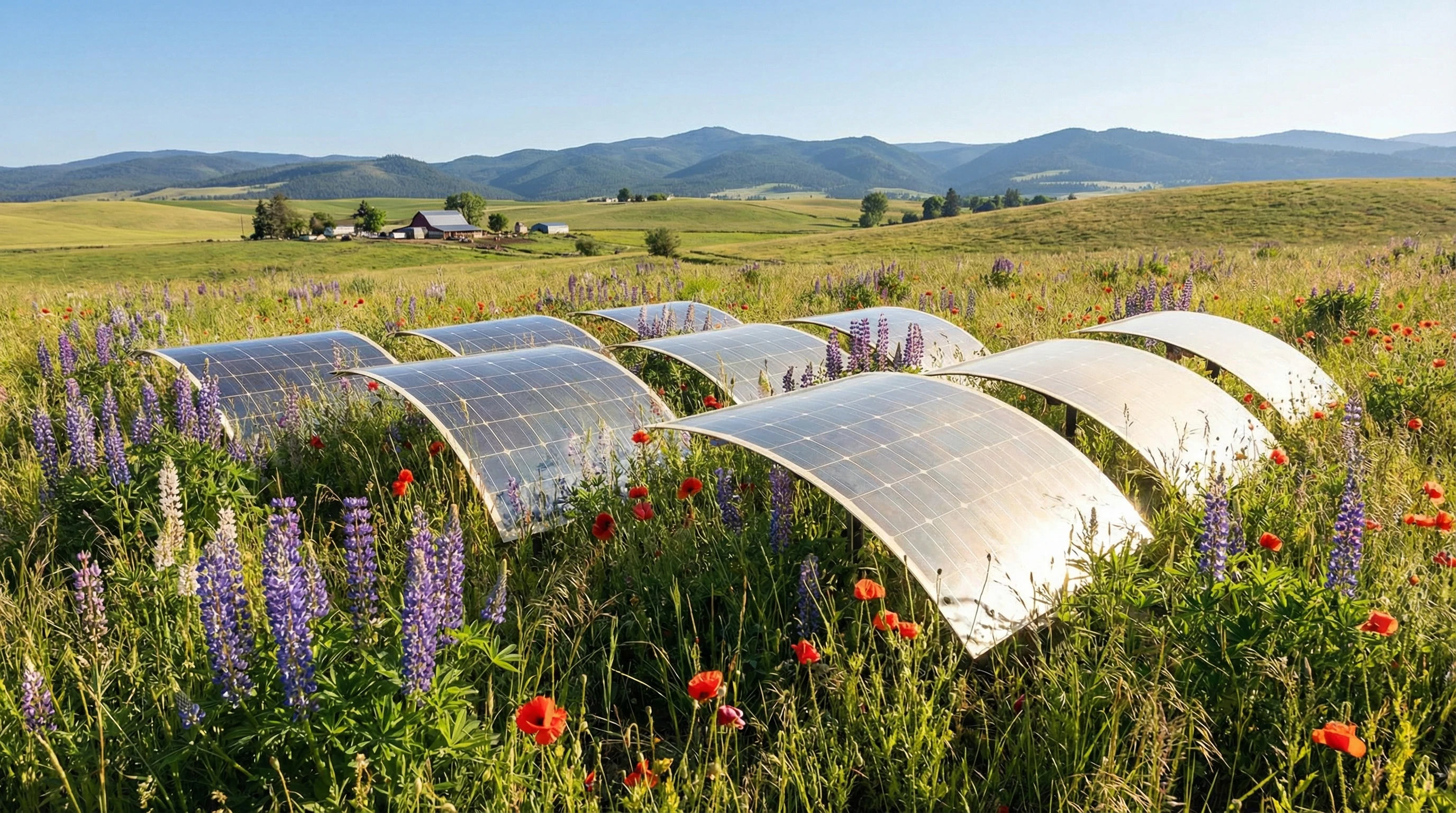
How Solar Tech Leveled Up in 2025
The drive for cleaner, cheaper power has sparked some real game changers in the solar world. Every time I see a story about a new efficiency record or a fresh design, it feels like solar power is becoming less of a futuristic dream and more of an everyday alternative for everyone.
Industry analysts predicted a really big year for renewables in 2025, and solar definitely delivered. According to the IEA, solar power installations continued to smash records, keeping the pace for global net-zero goals. [Source: IEA Renewable Energy Market Update 2025]
This momentum hasn’t just come from putting up more panels; it’s the new tech behind them that’s making solar more appealing, practical, and versatile. Here are a few significant improvements from this past year:
- Efficiency Boosts: Modern panels are now regularly hitting 25–30% efficiency, up from the old average of 20% just a few years ago. Scientists are even exploring multi-junction designs for potential future panels that could exceed these numbers.
- Smarter Integration: Solar systems connect more easily with smart home and smart grid ecosystems, helped by advanced monitoring and predictive features. The new apps can now tap into real-time weather and energy use data, giving homeowners and businesses more control than ever.
- Eco-friendly Materials: There’s more focus on using recyclable materials and cutting back on rare or toxic inputs in solar panel manufacturing. Manufacturers are experimenting with organic materials and looking for ways to build panels that are easier to take apart and recycle at the end of their lifespan.
Alongside that, new regulations introduced this year are encouraging the use of locally sourced components, further reducing the carbon footprint of solar panel manufacture and transportation globally. With these changes, tech and policy are working together for cleaner energy.
Breakthrough Solar Innovations Making Headlines
You’ve probably noticed how solar hardware no longer just sits on rooftops or open fields. The latest innovations are shaking up what’s possible, both in how we use solar and in how panels themselves are designed. Here are some of the solar technology developments from 2025 that really grabbed my attention—and a few more that are on the way:
- Perovskite Solar Cells: Finally hitting commercial markets, these cells are lightweight, flexible, and way more efficient—even under low-light or cloudy conditions. Tandem versions are now being built directly onto standard silicon panels, giving rooftops and solar farms an instant upgrade. Further, perovskites offer the hope of rapid, low cost production from abundant resources, and early adopters are already sharing promising data about their durability.
- Building Integrated Solar: Transparent solar windows, colorful solar tiles, and even solar bricks have gone mainstream. Office buildings, factories, and even some city buses have glass or exterior walls that double as electricity producers, making energy harvesting less visible but much more common. There are also pilot projects with highway noise barriers and bus station awnings outfitted with these solar components, showing how creativity is bringing solar to new places.
- Solar Tracking Systems: Automated trackers have become more affordable for both home and rural installs. These systems keep panels pointed at the best angle to the sun throughout the day, sending energy generation soaring. Community solar projects now routinely use tracking, boosting output over stationary arrays. Improvements have made today’s trackers more reliable, requiring less maintenance so they’re a solid pick for larger setups.
- Wireless Photovoltaic Charging: Experiments with direct wireless transfer between solar tiles and home devices went from research labs to early adopter homes, making it possible to power backyard lights, sensors, or small gadgets with no cords attached. Newer concepts even promise to keep garden robots or e-bikes topped up just by sitting or moving near a wired deck or solar-clad patio.
- Recyclable and Biodegradable Panels: A few new brands released panels built to be fully recycled or even partially biodegradable after 25–30 years of use. This focus on the full lifecycle really helps the solar industry step up its green credentials. Some companies now provide take-back programs and will repurpose old panels into outdoor furniture, playground parts, or new solar tiles.
Emerging startups and national labs are already teasing new versions of energy harvesting paint, paving the way for turning everyday surfaces into solar collectors. Though early days, these show that solar’s future will be even more embedded into our lives, not just limited to panels.
Solar Storage: Bringing Sunlight to Nighttime
One of the big knocks against solar has always been its “when the sun shines” schedule. In 2025, some boundary-pushing advances in storage finally started closing that gap, making solar a viable round-the-clock option. These changes are pretty handy for making solar power an all-day, all-weather resource.
If you’re like me and follow this topic, you’ve probably seen solid state battery tech become way more affordable. Residential battery systems, like upgraded versions of Tesla Powerwall, are easier to install and can hold enough charge to cover nighttime and cloudy day needs. Some even come bundled with new panels in a single package; others feature modular add-ons so families can add capacity over time as needs change or the household grows.
For communities and bigger grids, flow batteries—using liquids instead of solid electrodes—are gaining momentum. They have no short circuit risk and last through thousands of cycles without a big drop in performance. This year brought several pilot projects online, letting towns run on stored solar power long after sunset, instead of flipping to fossil fuels. Researchers are also working on saltwater batteries and gravity-based storage, both of which could give even more options for storing the sun’s energy in a planet-friendly way.
Urban and Off-Grid Solar: Power Everywhere
Solar’s not just for sunny suburbs or wide open farmland anymore. In 2025, the push to integrate solar into cities and rural off-grid areas picked up serious speed, with governments and NGOs supporting hundreds of new installations worldwide.
- Urban Microgrids: Several major cities launched new neighborhood-scale “microgrids” powered by solar plus storage. These setups handle solar’s ups and downs by sharing power locally and balancing loads with smart signals. Blackouts are less likely, and anyone in the area can benefit—even renters who can now sign up for neighborhood battery programs.
- Off-grid Solutions: For rural communities without reliable access to a central power grid, rugged, portable solar stations now deliver lighting, communications, refrigeration, and even internet routers with minimal upkeep. Combined with satellite and mobile connectivity, these systems help shrink the digital divide and support health clinics and schools in remote regions. Some kits are now sold in trailer form for quick deployment after natural disasters or for seasonal agricultural needs.
These solutions are opening doors for millions, proving that solar can go where traditional infrastructure can’t and make a real difference in people’s everyday lives.
What to Watch: Challenges and Exciting Trends for 2026+
After a banner year for new technology and wider adoption, there’s definitely a sense of optimism around solar. Even so, a few hurdles remain as 2026 approaches.
Biggest Challenges on the Horizon
- Recycling and Panel Disposal: As more early panels age out, the need for recycling systems grows. It’s really important to keep broken or outdated panels out of landfills whenever possible, and this is sparking green business opportunities for new recycling startups and community initiatives.
- Raw Materials Supply: Some advanced cells still depend on rare minerals. Tracking down more sustainable or abundant alternatives will help keep supply chains healthy moving forward.
- Wider Grid Integration: Utilities in some areas are still figuring out how to handle big surges of solar generated electricity. Smarter grid tech and flexible energy storage will play a bigger role here, and updates to regulations may need to keep up with the shift in how people generate and use electricity.
- Affordability for Everyone: Despite falling prices, upfront costs are still too high for many families. More creative financing, pay-as-you-go programs, and government incentives can help close the gap. Educational campaigns and local group purchasing programs will also be vital in spreading the word and building trust in the benefits of solar.
Trends to Keep an Eye on
- Printable and Wearable Solar: Thin, flexible cells could soon cover everything from tents to backpacks, giving hikers, campers, and emergency crews constant ontogo charging. Wearable devices powered by solar are being tested for health monitoring and environmental sensing, opening up a new chapter for solar tech.
- Artificial Intelligence: Solar systems are getting smarter, using AI to predict when and where to draw or send power, which helps avoid waste and keeps costs low. Some commercial solar farms are already testing next-level cool weather and power forecasting to maximize their profits on the open market.
- Solar for Water and Farming: Agrivoltaics—combining solar panels with food crops—is showing serious promise for producing power and boosting crop yields on the same land. Newly designed panels let in just the right amount of sunlight for crops, while automated systems manage both water use and energy output. This trend not only saves space but lifts up rural economies as well.
- Community Solar: More communities are pooling their investment in shared solar arrays, letting renters or those without good roofs participate in clean energy for the first time. Some states are piloting “solar gardens” that allow multiple households to subscribe and receive credits on their bills while supporting local jobs. As more people see the benefits, expect these projects to spread like wildfire across more regions and income levels.
Already, the global solar industry is getting in tune with advances in big data and customer feedback apps, so expect future solar setups to be shaped more and more by citizen and local business needs.
Frequently Asked Questions
People have a lot of questions about where solar tech is going and how they can benefit. Here are a few I hear most often:
Is solar power really affordable in 2025?
Prices dropped sharply in recent years, and “all-in-one” packages now make it easy to get started. Between rebates, utility programs, and group discounts, getting solar is way more doable for many homeowners and small businesses than it was just a few years back. Payback times have shrunk, often reaching break-even in less than eight years—even faster in sun-soaked regions.
Can I use solar panels if I rent my apartment or house?
Absolutely, community solar programs are expanding fast, so more options exist for people without roof space. Also, portable panels or plug-n-play systems can work from a balcony or yard with minimal hassle. In some cities, there are also local policies that encourage landlords to support shared solar by giving tenants a sign up option for renewable power credits.
Will solar ever totally replace fossil fuels?
Solar is taking a bigger slice of the energy pie every year, but it works best paired with other renewables, better batteries, and smart management. Research into next generation storage and grid technologies is making renewables more reliable around the clock. Electric vehicle charging, industrial heating, and more areas are also shifting to use more solar, often in a blend with wind or hydro-power, to provide steady clean electricity.
Looking Ahead
This year has shown that solar technology isn’t slowing down any time soon. Each advance means more flexibility, better performance, and new ways to live and work off grid or bring power to new places. With thoughtful policies, ongoing research, and the creativity of engineers and everyday users, solar energy will keep surprising and helping us far beyond 2026. As the costs fall and adoption keeps rising, it’s only a matter of time before solar becomes a normal part of homes, businesses, and communities everywhere.
Cheers to the New Year!