
Solar storage options for homes have really evolved over the past few years. From being powered 24/7 from your solar panels to just cutting back on your electric bills, there are lots of good choices today that weren’t even possible a decade ago. Here I’ll walk you through the basics, recent advancements, and what I think you should keep in mind when deciding if home solar storage is right for you.
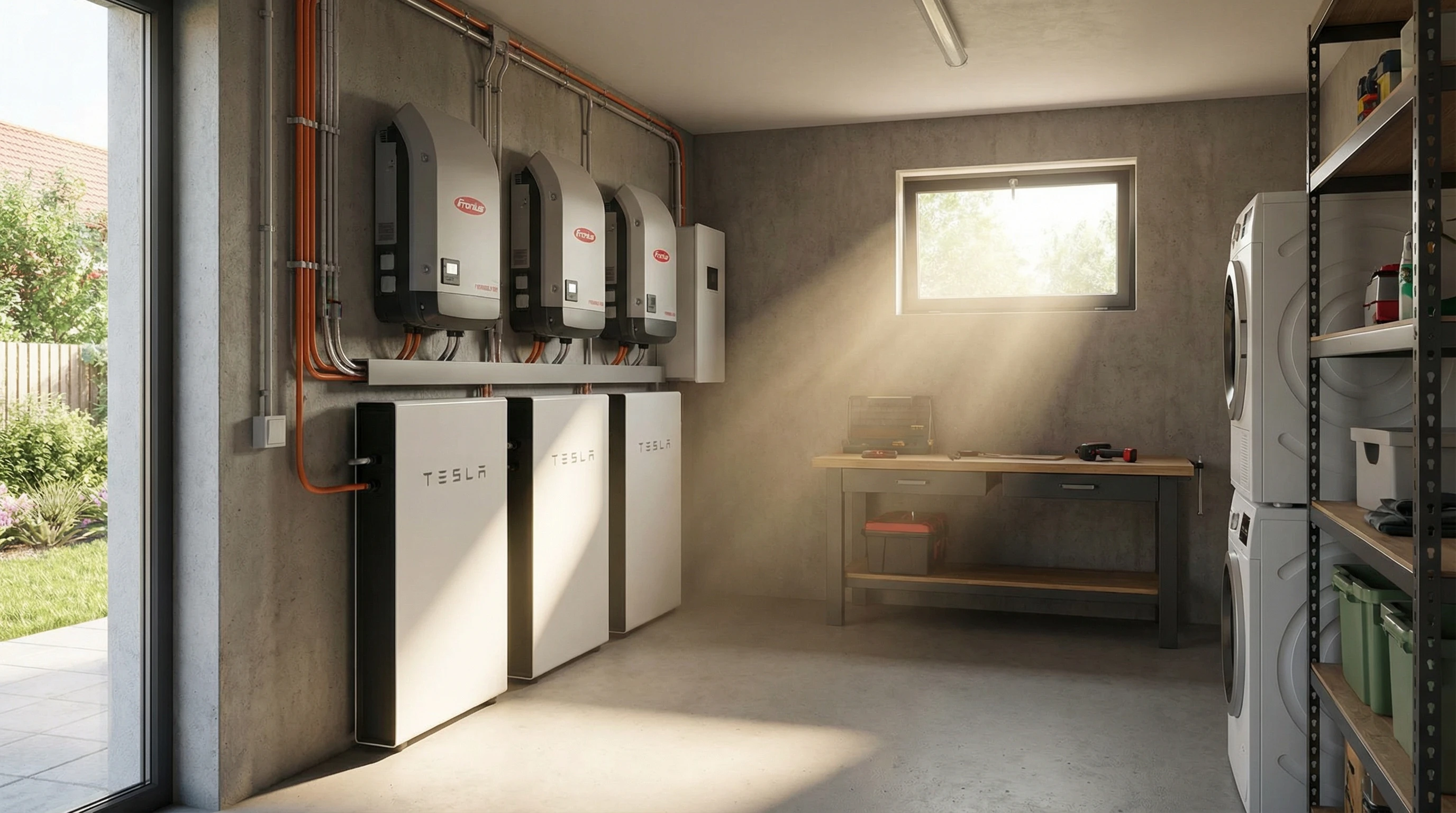
Why Store Your Solar Power at Home?
Solar panels are great at producing power while the sun is shining, but many homes use the most electricity in the early morning or in the evening, right when solar production drops off. Without a way to store the excess daylight energy, most homes have to send it back to the power grid or lose it entirely. Home solar storage changes that. You can keep and use more of the clean power you’ve generated, which can lower your monthly bills. You also get some backup electricity in case of power outages, which is super important if you live in areas with frequent blackouts or stormy weather.
More utilities are changing how they reimburse homeowners for extra solar power sent to the grid, which can make storage even more appealing. For some people, the ability to manage their own energy use and lower their reliance on the grid just feels right. Households that take pride in self-reliance appreciate knowing they’re prepared for unexpected grid issues or rising peak rates. And in neighborhoods where outage frequency is increasing, home battery storage can mean the difference between disruption and being able to keep your lights and devices on.
Understanding Your Solar Storage Choices
Home solar storage mainly means batteries. However, not all batteries are built the same. It helps to know the main battery types and how they fit into home systems.
- Lithium Ion Batteries: These batteries lead the market and are found in popular systems like the Tesla Powerwall and LG Chem. They are compact, efficient, and handle daily use well. Lithium iron phosphate batteries have become the favorite for residential use, thanks to their stability and improved safety.
- Lead Acid Batteries: These are the tried and true technology, similar to what’s in your car. They’re bigger and heavier than lithium options and usually don’t last as long, but they have been used in off grid systems for decades. For larger off-grid cabins or homes where space is less critical, lead acid packs can still make sense, especially if minimizing initial cost is important.
- Sodium Based and Other Alternatives: Some new storage tech is popping up, including sodium ion and flow batteries, which aim to lower costs and improve safety for homeowners. These emerging techs could disrupt the market as they mature and become widely available.
The storage systems now available usually include an inverter, a small control computer, and an app for your smartphone. This means you can track and manage your battery usage at any time, which is something I find especially convenient. Many also offer notifications or performance analytics, allowing users to spot issues early or fine tune their usage to maximize savings.
Key Features to Look for in a Home Solar Battery
Choosing a battery involves a bit more than picking a brand. Here’s what I always look out for when helping people make a decision:
- Usable Capacity: This tells you how much energy the battery can actually hold for you to use. Look for a battery that matches your household’s daily use, or think about what you’d really want to back up during an outage.
- Power Output: You want a battery that can supply enough power at once to run the devices you care about during an outage. This determines whether you can run just a few lights and your refrigerator or keep bigger loads—like an electric stove—operating.
- Warranty: Most batteries come with a warranty of around 10 years or a certain number of cycles (full charges and discharges). Longer coverage helps give peace of mind and shows the manufacturer has confidence in their product.
- Scalability: You may want to add more batteries later if your needs grow. Some systems make adding more storage really easy. Check if the system allows for straightforward expansion or if it gets complicated.
- Battery Chemistry and Safety: Most homeowners go with lithium iron phosphate batteries today for the balance of cost, longevity, and fire safety. Safety features, such as automatic shutoff or temperature monitoring, also make a difference.
- Integration with Solar Panels: Your battery should work well with your panels and inverter, so I always double check compatibility. A good installer will help confirm this, ensuring a smooth installation without expensive surprises.
How Home Solar Storage Works in Daily Life
Picture coming home after a day out, and your solarpowered battery has been charging up while you were away. Instead of pulling power from the grid during dinner prep, you use the energy you stored. If the power goes out during a storm at night, your lights and fridge can keep running for hours. Some battery systems can even be set up to charge from the grid at night when electricity is cheaper. If your utility offers lower night rates, then use that power later. I’ve seen families save a lot on their bills with just some thoughtful planning around their battery use.
Using your own stored energy makes you less vulnerable to sudden spikes in utility rates and to outages during extreme weather. If you’ve ever had to empty your fridge after a storm knocked out power, the appeal of a home battery is obvious. Plus, with new advancements in system apps, you can check battery status from anywhere, set charge and discharge schedules, and even get real time notifications if your house switches to battery power. Some people enjoy tracking their home’s grid independence as a personal goal, especially as energy prices continue to fluctuate.
New Innovations in Solar Storage
More battery manufacturers are designing smarter batteries that can be managed with your phone. Here are a few updates you might run into as you shop for your first (or next) home battery:
- Smart Energy Management: Modern systems balance when to charge and discharge automatically based on your habits, solar production, and even weather forecasts. This all-in-one monitoring can help households fine tune savings without constant oversight.
- Virtual Power Plants (VPPs): Some utilities are paying homeowners to join programs where lots of home batteries are pooled together to support the electric grid. If you decide to join, your battery could earn you extra cash by sending energy out during peak demand times. This is a win win—better grid stability and meaningful savings for you.
- Longer Lifespans: New chemistry developments, especially in lithium iron phosphate batteries, are making home batteries last even longer. Many now hit 10 to 15 years or even more, meaning better value over time and less frequent replacements.
- Easier Installation: Today’s batteries are built with safety and convenience in mind. Some can be wall mounted out of the way, and newer models are quieter than older systems. Several top brands offer outdoor rated batteries for those with limited indoor space.
Challenges and Things to Consider Before Buying
While solar storage brings a lot of benefits, there are a few things I think every homeowner should keep in mind:
- Upfront Cost: Batteries and installation can add thousands to the price of a solar system. However, more states and countries are starting to offer rebates and tax credits that can make the investment much easier. Consider breaking down your return on investment based on projected savings and incentives.
- Lifespan and Maintenance: Home energy storage systems are designed to run mostly in the background, but they don’t last forever. You’ll want to plan for a battery replacement down the line and make sure that maintenance requirements fit your lifestyle.
- Backup Limitations: Not all home batteries can power every device. If you want to keep running high energy appliances like an electric oven or central air conditioning during power outages, you’ll likely need a larger or multiple batteries. Talk with your installer about what’s realistic given your space and budget.
- Local Regulations: Some places have building codes or homeowner association rules about installing home batteries. I recommend checking these before committing, as compliance can affect cost and speed of installation.
Cost of Solar Batteries
Solar batteries typically cost between $7,000 and $14,000 fully installed. The price depends on the storage size, battery type, and your location. Federal tax credits in the U.S. can help offset the price by up to 30 percent, and some regions offer extra rebates or incentives. Depending on your area, local incentives could save you thousands of dollars or provide low interest financing options.
Longevity and Warranties
Most lithium ion batteries are warranted for 10 years or a certain number of cycles. The lifespan will depend on how deeply and how often you discharge your battery. Systems that are only used for backup may last even longer, while batteries used every day for time-of-use savings will reach their warranty limits sooner. As technology improves, expect longer life and more flexible warranty terms on newer systems.
Practical Uses for Solar Storage at Home
- Emergency Power: During blackouts, keeping lights, WiFi, medical equipment, and fridges running is a huge relief. Some hospitals and emergency shelters even use these systems on a bigger scale. Being able to provide uninterrupted power before utility crews arrive can be vital, especially for medically sensitive family members.
- Bill Savings: With time-of-use rates or high evening power prices, the ability to draw on stored solar energy instead of buying from the grid can add up. I’ve personally seen monthly savings of $50 or more for households using batteries wisely and even more when paired with solar incentive programs.
- Energy Independence: Some homeowners just enjoy knowing their house can run for a while even if the power goes down. For off grid homes, batteries are essential and allow year round living far from traditional infrastructure. Solar storage, paired with smart controls, gives greater energy freedom and peace of mind.
Frequently Asked Questions
Here are some of the most common questions people ask me about home solar batteries:
Question: How long will my home battery last during a blackout?
Answer: That depends on the size of your battery and how much power your essential devices use. A standard battery can run lights, a refrigerator, some outlets, and your Wi-Fi for at least 8–12 hours, sometimes longer with careful energy use.
Question: Can I add a battery to my existing solar system?
Answer: Yes, many newer solar systems are battery ready, and in most cases, you can upgrade an older system with a home battery. Be sure to check compatibility between new equipment and your existing setup. A qualified installer can help help you here.
Question: Will a battery system help me save money?
Answer: A battery will help most if your utility charges high prices in the evenings or pays less for surplus solar power sent to the grid. If your area offers extra incentives for batteries, the payback can be even quicker. Don’t forget to include tax credits and local rebates when figuring out overall savings.
Getting Started with Home Solar Storage
If you’re new to solar power, start by researching your local utility’s policies for solar and storage. Get several quotes from installers who are familiar with battery systems. Ask about warranties, local safety codes, and available incentives. Think about your goals; whether it’s backup power, saving money, or going off-grid. That way, your installer can recommend the best setup. With the range of choices out there, it’s easier than ever to add a battery to your home and start taking more control over your energy future. As battery prices slowly drop and new features continue to roll out, home energy storage promises to play an even bigger role in the way we use electricity every day.