
Joining a solar co-op can be a solid step if you’re interested in affordable and community supported solar energy. I remember when I first started researching solar panels, the process felt confusing. After learning about solar co-ops, I found the switch into renewable energy much simpler and more approachable. This guide covers what solar co-ops are, how they work, what you can expect as a beginner, and practical tips for getting started.
What Is a Solar Co-Op?
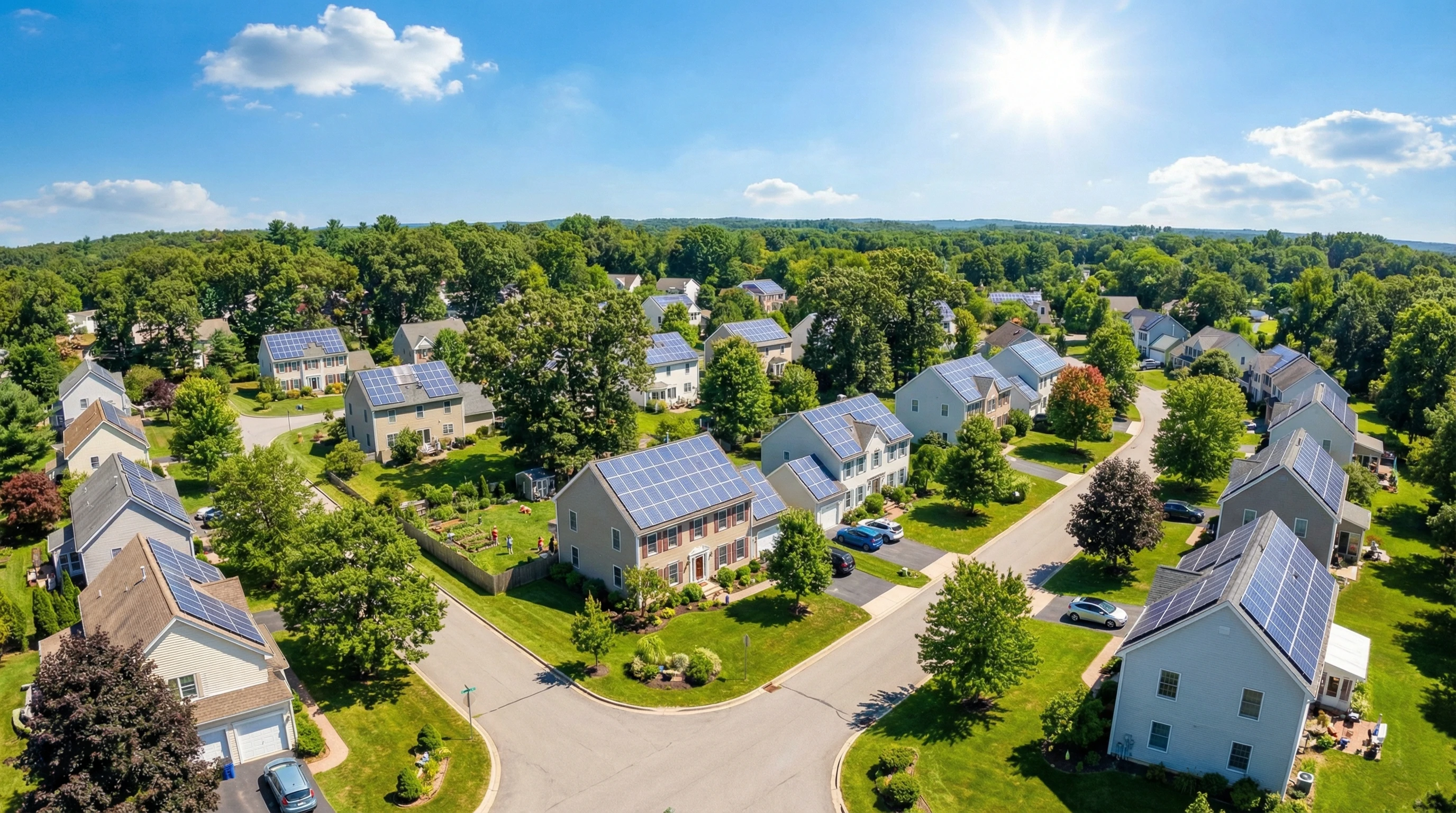
A solar co-op is a group of homeowners or businesses in the same area who come together to go solar as a group. By organizing collectively, members can get bulk pricing on solar panels and installation, which often leads to lower costs than buying individually. The co-op is usually guided by a nonprofit or community group that helps educate members, solicit bids from solar installers, and make it easy for everyone to go through the process.
Solar co-ops have grown a lot in recent years. According to Solar United Neighbors, thousands of families nationwide have already gone solar through these groups (Solar United Neighbors). I noticed better clarity, lower installation bids, and less pressure in decision making compared to shopping solo. Solar co-ops aren’t just about a deal; it’s also about peer support, transparent information, and a smooth experience.
How a Solar Co-Op Works
When you join a solar co-op, the process follows a structured path that most members find easy to follow, even if you’re brand new to solar energy.
- Initial Signup: You sign up online and express your interest in the solar co-op. There’s usually no cost or commitment upfront.
- Info Sessions: Co-ops host meetings where you can ask questions and get unbiased answers about solar panels, costs, incentives, and the co-op process itself.
- Group Installer Selection: The co-op organizes a selection committee made up of members, not installers. This group reviews bids from local solar companies and chooses an installer for the entire co-op.
- Personalized Proposals: The chosen installer then visits each home and provides a custom proposal, factoring in your roof, electricity usage, and local incentives.
- Decision Time: Once you get your personal proposal, you decide if you want to move forward. There’s no obligation to buy.
- Installation: If you accept, the solar company will handle the installation, and the co-op continues to offer support if you have questions along the way.
I found group info sessions and the installer selection committee especially helpful. Having other people at the same stage keeps the pressure down, and the installer knows many customers are watching, which encourages better service.
Big Benefits of Joining a Solar Co-Op
The collective approach is what drew me to a solar co-op. Here are the perks that stood out the most:
- Lower Costs: Buying as a group often leads to better prices due to bulk purchasing power.
- Accurate Information: Nonprofit partners provide clear, unbiased education. I never felt like I was being sold to; I just got information to help me make my own choice.
- Simpler Process: The hardest parts, like comparing installers or figuring out incentives, are handled by the group. This saved me a lot of time and anxiety.
- Peer Support: I learned a lot from fellow members who were facing similar roof or financial questions. Knowing others were asking the same things made me feel a lot more confident.
- Quality Installers: Since the installer wins multiple jobs with one contract, reputable companies are motivated to participate and keep customers happy.
Bulk purchasing, support, and unbiased answers make a solar co-op an easy option for beginners. More details are available at the U.S. Department of Energy’s community and shared solar resources.
What to Expect When You Join
As a first time solar buyer in a co-op, here’s what I experienced and what you might notice, too:
- Time Commitment: The whole process can take several months from signup to installation. Co-ops wait until enough people join before starting installer selection.
- Group Pace: Because groups move together, sometimes you’ll move slower than if you hired a private company, but you’ll spend less time researching alone.
- Personal Choice: Even after joining, I could back out at any time. I felt comfortable knowing I could decide once I saw my custom proposal.
- No Hidden Sales Tactics: The group structure promotes transparency, which made the process feel straightforward and no pressure to buy.
Getting Started with a Solar Co-Op: Step by Step
Based on my experience, these steps can help walk you through the process with confidence:
- Research Local Solar Co-Ops: Look for community groups, environmental nonprofits, or local government programs that organize co-ops. Websites like Solar United Neighbors offer state by state directories.
- Attend an Info Session: Even if you’re unsure, attending a meeting is a good way to ask questions and see if the co-op’s timeline works for you.
- Sign Up When Ready: Add your name to the list. At this point, you’re simply expressing interest.
- Stay Involved: Join the installer selection committee if you have the time, or just attend meetings to stay informed about the process and options.
- Review Proposals: When you get your proposal, read it carefully. Compare the details with other resources or talk to past participants for advice.
- Decide Whether to Move Forward: If it looks good, you can move ahead with installation. If not, say no thanks; there’s no penalty for walking away.
Careful research helps buyers make informed decisions. I found that being active in meetings and discussions helped me feel more confident about my choice. Sometimes, asking for a second opinion from another local solar expert can also provide added perspective, especially about specific incentives or installation details unique to your area.
Common Questions and Challenges
Most new co-op members have a few concerns. Here are the most frequent questions I’ve heard and straightforward answers based on my experience:
- Will this work for my home? Most co-op installers will evaluate your roof’s size, angle, shading, and age to check if solar makes sense. Not every home is ideal, but proposals always include these details to help you make an informed choice.
- How much can I save with a co-op? On average, members save 10–20% compared to solo buyers, depending on installer pricing, local incentives, and group size. I saw about a 15% discount versus the direct quotes I got on my own, and some neighbors reported saving even more during seasonal promotions.
- Is there a catch or commitment when signing up? There’s no financial obligation at signup. You only commit once you agree to your personal proposal, so there’s really nothing to lose at the expression of interest stage.
- What if my HOA has rules about solar? Solar co-op organizers help members understand local laws and even provide template letters for Homeowners Associations. They can guide you on how to approach any HOA discussions for a smoother process.
Addressing Installation and Technical Questions
I remember worrying about installation quality and warranty coverage. The installer chosen by our group had strong references and clear warranty terms. Asking questions at info sessions or talking to people from previous co-ops helped me trust the process more. The transparency of group decision making brings peace of mind that you’re getting a reputable installer.
Tips for a Successful Solar Co-Op Experience
Here are a few practical tips based on my adventure:
- Stay Curious: Ask questions at every stage. No question is too small, especially if you’re new to solar.
- Compare Your Proposal: If you have time, get an outside quote to compare. It can highlight differences and help with negotiating details. Sometimes, co-ops use the outside quote to negotiate even better pricing for everyone.
- Talk to Past Members: Most co-ops happily connect you with previous participants. I got great advice about timelines and paperwork this way.
- Read the Fine Print: Each proposal has unique details about equipment, power guarantees, and financing. Take your time to understand what you’re getting. Don’t hesitate to ask about maintenance or customer service response times as well.
- Understand Local Incentives: Ask co-op leaders about tax credits, municipal rebates, or special financing. Information changes often, so updated assistance can save you more money. In some areas, additional support is available for low income households or specific neighborhoods.
Frequently Asked Questions About Solar Co-Ops
Here are a few questions I often hear from people getting started:
Question: Can renters join a solar co-op?
Answer: Some co-ops focus on homeowners, while others offer community solar options for renters. Community solar lets you buy into a shared solar project and receive energy credits. If your co-op has this option, it can be a great way to participate without owning property.
Question: What happens if I move after installation?
Answer: Solar increases many homes’ resale value. Most solar systems can transfer ownership to the next buyer, though it’s good to tell your realtor upfront. If you plan to sell soon, check with your co-op about any recommendations for a smooth transfer.
Question: Is roof age or type a problem?
Answer: Solar installers evaluate roof condition before recommending installation. Old roofs may need replacement first, and some roofing types (like slate) require different mounting systems or may not be compatible. Many co-ops can provide recommendations for roofers if you need an update before going solar.
Question: How long does the process take?
Answer: Most solar co-op programs last three to six months from start to finish. Joining early gives you better chances to participate fully, and being active in meetings helps ensure your installation aligns with your schedule.
Final Thoughts
Solar co-ops make it easier and more affordable to go solar. From my own experience, joining with neighbors turns what used to be a solo project into a group effort full of support, insight, and less hassle. This path opens up clean energy for more people, and I found it a much friendlier introduction to solar.
For more about solar co-ops or to see if one is active in your area, check out resources like Solar United Neighbors or talk to local community organizations. If you’re new to the idea, attending a meeting is a great first step. You’ll find answers, encouragement, and a welcoming community that’s ready to help. You might even meet a few neighbors you hadn’t met before while joining a worthwhile cause!

Oren, this guide is exactly what I needed as I start exploring my options for renewable energy. I’ve been feeling overwhelmed by the technical jargon and scrolling through countless individual quotes.
The concept of the installer selection committee really changed my perspective. Knowing that my neighbors, who experience the same weather patterns and local regulations as I do, are the ones vetting the bids makes me feel much more secure than simply picking a name from a Google search. The potential savings of 10–20% is very appealing, but honestly, having a group to help navigate the paperwork and HOA discussions sounds like a game-changer.
I have one question about the timeline: Since you mentioned that the process moves at a group pace, did you find that co-ops are more likely to form at certain times of the year, such as early spring? Or is it truly just a matter of waiting until a specific number of neighbors express interest, regardless of the season?
Hi Alysanna,
Solar Co-ops are a whole world in themselves. Felt the need to highlight them here. It seems to be sort of a “critical mass” thing when a co-op may organize. I don’t see any particular season preference – just enough folks getting together and discussing things.
Thanks for dropping by and sharing interest – the more solar, the better! Cheers