Solar energy is drawing plenty of attention, especially for those of us navigating life in crowded cities. As electricity bills climb and concerns about traditional energy sources grow, solar power solutions have turned into a practical choice for many urban homeowners. I’ve spent years checking out energy options for dense neighborhoods, and in this article, we’ll get down to the basics and share useful tips based on what I’ve learned and personally tested.
Why Solar Power Works for Urban Homes
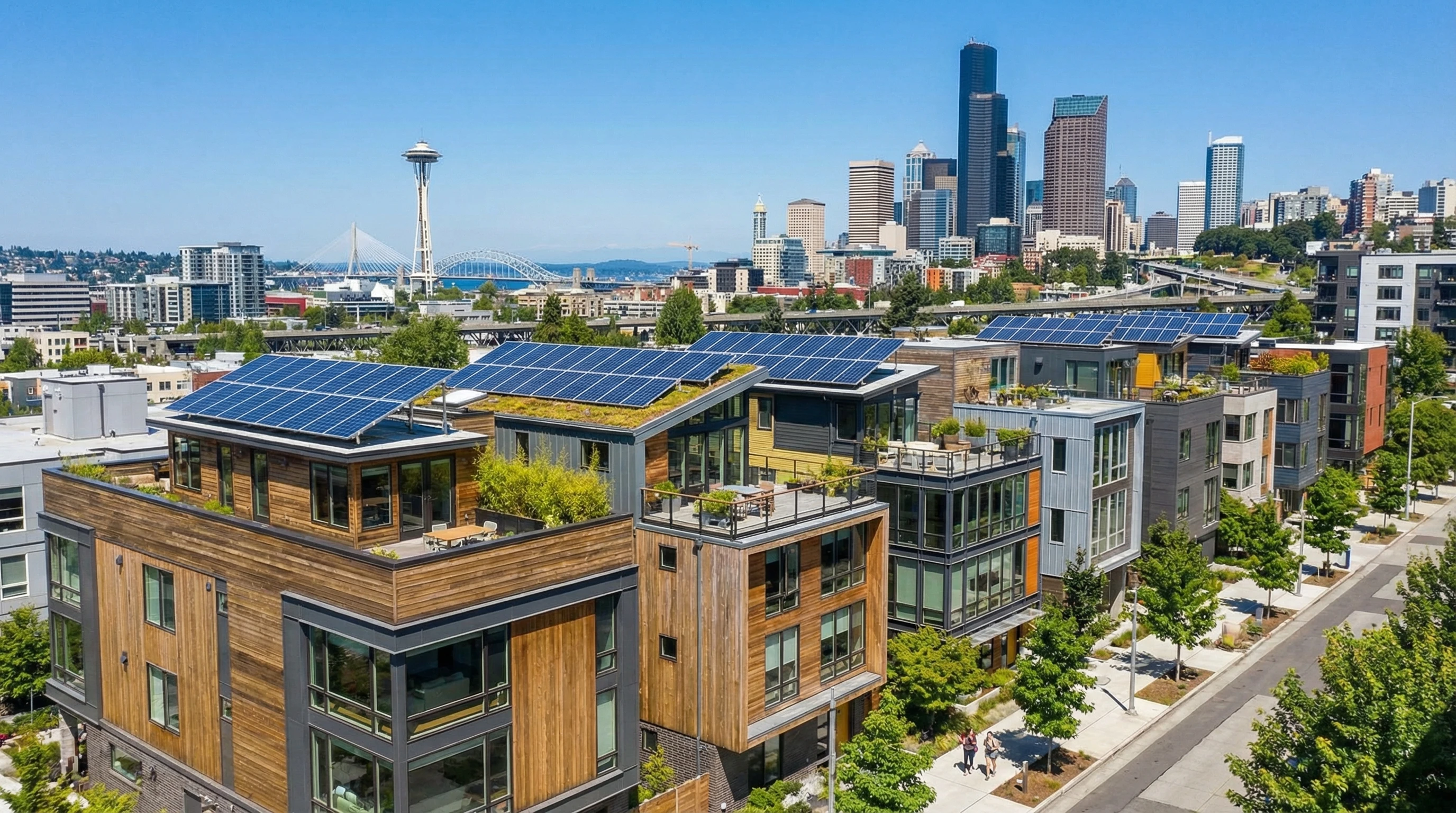
Solar technology has become more accessible for people putting down roots in cities. Solar panels today are more efficient, meaning I can produce enough electricity on even a small city roof to actually cut down my household’s bills. Most utility companies offer programs that make it simple and affordable to install solar panels, and many city governments step up these efforts with incentives that give your budget a boost.
Urban roofs are often flat or gently sloped, which turns out to be great for solar panel setups. Even though tall buildings are a fixture in cities, careful planning by a reputable installer guarantees panels get the sunlight they need throughout the day. According to the U.S. Department of Energy, modern solar modules continue making energy even on cloudy days, so there’s no need to sweat perfect weather all year long.
Types of Solar Systems to Consider
When I started learning about solar, I found there are a few main types of solar energy systems suited for city living. Choosing the right one comes down to your budget, how much space you have, and your energy goals.
- Grid-Tied Systems: These connect your solar system straight into the local power grid. When I generate extra electricity, it goes back to the grid, often earning credits with my utility company through net metering. This feature is super helpful at night or on rainy days, since I can pull energy back when my panels aren’t making enough.
- Off-Grid Systems: These rely on batteries to store energy for cloudy days or nighttime. They make a home fully independent from the power grid, but they tend to cost more because batteries aren’t cheap. Most city homes already have reliable access to the grid, so I normally suggest starting with a grid-tied system.
- Hybrid Systems: These systems combine batteries with the power grid. This gives me flexibility, allowing me to use battery power when rates are highest and send the extra energy back to the grid when it’s cheaper.
Most city residents opt for gridtied or hybrid systems, since offgrid setups need space for lots of batteries—and that’s a rare luxury in a city home.
Choosing the Right Solar Equipment for Your Home
Getting started with solar means picking the best set of equipment. Here’s what I learned from both my own installation and conversations with local installers:
- Solar Panels: Most homes use either monocrystalline or polycrystalline panels. Monocrystalline panels tend to be more efficient—ideal for smaller roofs—while polycrystalline panels are a bit less efficient but can be easier on the wallet.
- Inverters: An inverter takes the direct current (DC) produced by panels and turns it into alternating current (AC), which powers my home appliances. String inverters are a good fit for homes with little shade, but micro-inverters or power optimization systems are a must if your roof has shady spots from trees or nearby buildings.
- Racking and Mounting Systems: Secure mounting is key, especially for homes in windy or stormy areas. Certified installers should use hardware tested specifically for your local conditions.
- Batteries (Optional): For backup power, a battery system can keep essentials going during power interruptions. They do add to costs, but I like the peace of mind in case of a blackout.
My best advice: always start with a home energy assessment before making any big purchases. Professional installers will tell you what your roof can handle and which inverter suits your sunlight and shade situation. This step saved me money and helped avoid unnecessary hassle down the line.
Getting Started with Solar: Steps to Take
Once I decided to install solar, I followed these steps. They made the process much smoother and stress-free:
- Assess Your Home’s Solar Potential: I used online tools from the National Renewable Energy Laboratory and checked in with certified installers, who measured the shade, the roof angle, and how much year-round sun my roof sees. Even in the tightest city blocks, small tweaks like tilting panels or elevating part of the array make a difference.
- Review Local Regulations and Incentives: Urban homes often need to follow specific building codes and apply for permits. I also made sure to look up rebates, tax credits, and net metering policies in my city. The federal government offers up to a 30% tax credit for solar, and DSIRE (Database of State Incentives for Renewables & Efficiency) helped me track down every last local benefit.
- Contact Reputable Installers: I checked reviews, asked around for referrals, and verified installers’ certifications. Only pros should handle both roof and electrical work—keeping your home and family safe should come first.
- Get Multiple Quotes: It’s worth collecting estimates from at least three companies. This way, I got a real sense for price ranges, and all of them gave me a written breakdown of costs, system output, and timelines.
- Plan Your Installation: Once I picked an installer, scheduling was a snap. Most urban solar installs take one to three days, and if you communicate up front, you can keep interruptions minimal.
Common Challenges and How to Tackle Them
- Limited Roof Space: Most city roofs aren’t sprawling. I’ve learned to work with installers who really know how to maximize output from small or shaded areas—sometimes by using higher efficiency panels or splitting up arrays onto different roof parts.
- Shade from Nearby Structures: Shade can seriously drop your energy output. Micro-inverter technology means each panel keeps working, even if part of your array falls in the shadow for part of the day.
- Building Codes and HOA Rules: Take the time to check with your homeowners’ association and permitting office first. Early approval saves endless headaches later.
- Upfront Cost: Solar isn’t cheap, but several financing options exist. I looked into leases, power purchase agreements, and low-interest solar loans. Plenty of zero-down payment programs are around, so you can skip the big cash up front.
Roof Space Solutions
Some of my friends downtown have combined rooftop solar with small backyard or balcony panels. Placing panels above patios, on garden trellises, or even on outbuildings can add a few more kilowatts. It all adds up, especially if your household runs lots of appliances.
Maintenance and Longevity
Modern solar systems are simple to care for. Basically rinse your panels a couple of times a year to clear off dust and look for debris after storms. Quality panels last 25 years or more, and you’ll rarely see performance drop more than 15 to 20 percent over that time. Yearly checkups by your installer help catch issues early, such as a malfunctioning inverter, a loose connection, or damage that may not be obvious.
Smart Energy Habits for Solar Homeowners
Getting the most out of your solar investment means making a few habit tweaks. I run my dishwasher and laundry during sunny hours, when my panels can power them directly. This strategy cuts my reliance on the grid and trims my bill even more.
Smart home devices help track and schedule usage. I set timers and use energy monitors to track when I use the most electricity. Over time, I shifted lots of activities into daytime hours. You might also add a battery for extra flexibility, but it’s not mandatory for everyone.
Solar Power in Real-World Urban Settings
I’ve watched neighbors put their heads together by using community solar arrays on multi unit buildings. Even renters without a personal roof can subscribe to solar projects and see credits on their utility bills. If your building is too shaded or doesn’t have a good panel spot, check in with your power company about local community solar options.
Some city homes use “solar awnings” or tuck panels into building designs blending functionality with modern design. Mounting panels over garage doors or carports doubles as weather protection while boosting your power generation.
- Community Solar: Shared arrays supply an entire apartment building or neighborhood, splitting costs and benefits among everyone.
- Solar Carports: Installing panels over parking or carports is a solid plan for homes with limited roof area.
- BIPV (Building Integrated Photovoltaics): Here, panels stand in for regular roofing materials or even some windows, letting you add solar with zero extra space. Solar roof tiles are an example.
Frequently Asked Questions About Urban Solar Solutions
Question: How much does it typically cost to install solar on an urban home?
Answer: On average, a solar power setup for a city house runs between $12,000 and $20,000 before incentives. Your price depends on system size, complexity, and what installers charge in your area. Incentives and financing can dramatically tone down that upfront spend.
Question: What kind of savings should I expect?
Answer: Savings depend on how much power you use, your local rates, and sunshine levels. Most city dwellers slash their utility bills by 40 to 80 percent once their system is up and running. For most people, the payback is about six to 10 years.
Question: Do solar panels work during blackouts?
Answer: Grid-tied solar systems (without batteries) turn off automatically for safety during blackouts. For backup power, ask your installer about adding a battery storage system.
Question: Are solar panels difficult to maintain?
Answer: Panels only need a quick clean once or twice a year and annual checks from your installer. Since they have no moving parts, you can expect decades of reliable performance with basic upkeep.
Getting the Most from Solar in the City
City homeowners can reap real benefits from going solar. Combining available incentives, reliable technology, and creative installation ideas means solar is a realistic choice—even in dense neighborhoods. Careful planning, solid installation, and smart usage habits let you make the most out of your investment. As solar tech continues to evolve in 2026 and beyond, I’m sure this option will get even easier and more cost-effective for everyone living in the city.