
Solar energy keeps growing as a popular choice for homeowners and businesses. While solar panels make clean electricity from sunlight, the real challenge starts once the sun goes down or clouds roll in. At night or during storms, we must count on power that’s been saved up from earlier in the day. Storage efficiency is a huge factor in how much of that solar energy I really get to use. When I first started putting together my own solar setup, I soon realized that squeezing the most out of storage calls for thoughtful planning, some technical know-how, and ongoing upkeep.
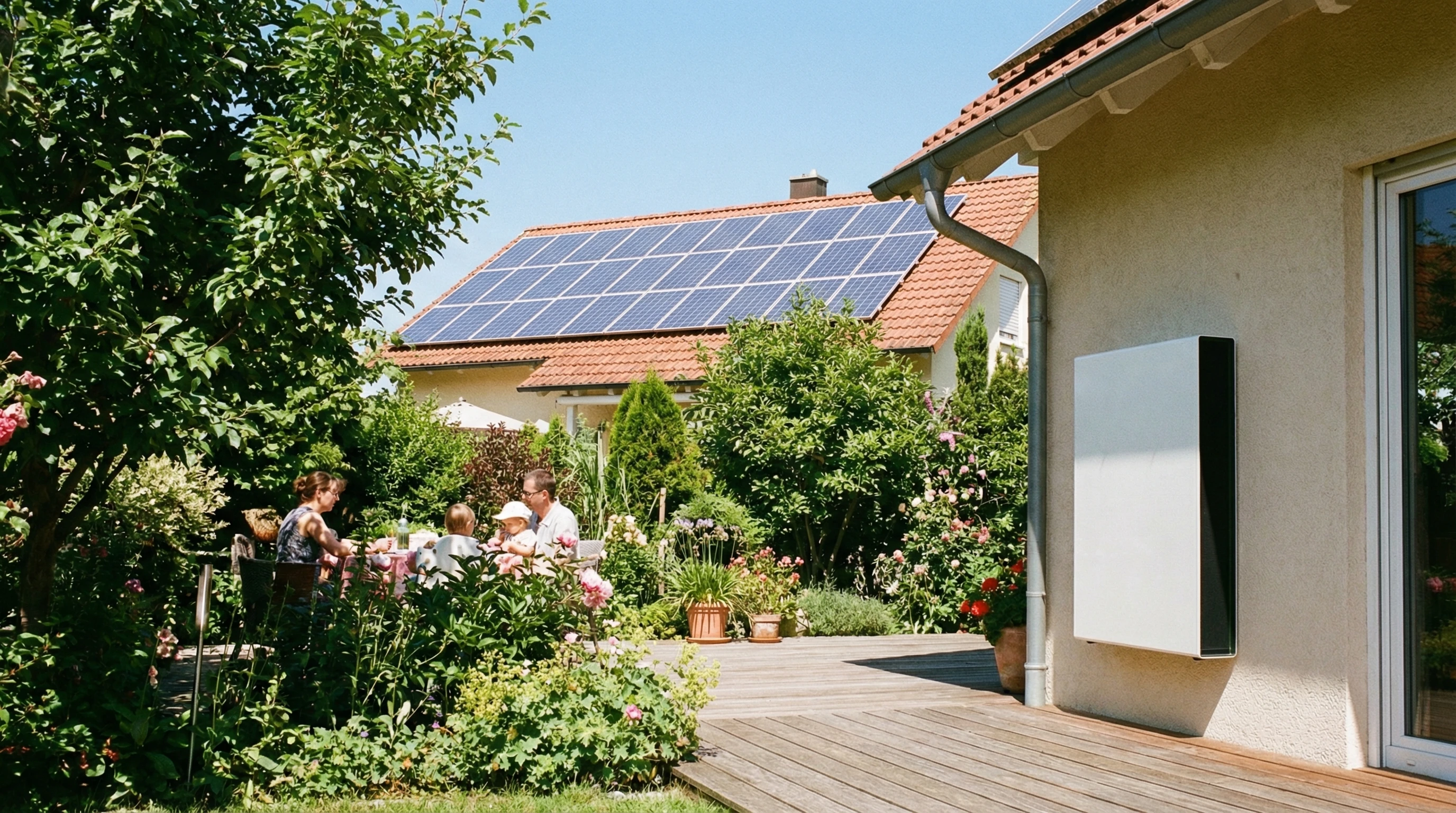
Understanding Solar Energy Storage and Efficiency
Solar energy storage lets you keep extra electricity your panels make for use when you need it later. The heart of the process is the solar battery, but not all batteries get the job done the same way. Some stash power more efficiently, and outside factors also step in that affect performance.
The big advantage of an all-in-one, efficient storage system is that there is less energy loss in the process of storing and pulling out energy. The goal is to keep those losses minimal, so there’s plenty of power for essentials like keeping the fridge cold overnight or powering the lights during blackouts.
Solar batteries have become increasingly common and affordable, thanks to tech advances and the spread of solar energy. Still, maxing out efficiency over the years means making careful choices about gear, setup, upkeep, and how energy is used day to day.
How Solar Energy Storage Works
The process begins as solar panels turn sunlight into electricity. When not using everything right away, the extra goes to a storage battery. Later, when your panels aren’t making enough power, the battery system supplies what has been stored.
The most popular types of solar batteries you’ll find include:
- Lithium-ion batteries: They stand out for efficiency, lifespan, and being lighter in weight. Nowadays, they’re the main choice for most home solar setups.
- Lead acid batteries: Around for decades, these are less efficient and heavier but often see use in off-grid setups, mostly because they’re cheaper upfront.
- Flow batteries: Best for bigger storage jobs, these can last a long time but are pretty rare in typical home systems.
Each battery type brings its own mix of cost, effectiveness, and maintenance needs. Picking the right one for my own energy wants made a clear difference in overall efficiency and what you can save on bills.
Tips to Increase Solar Energy Storage Efficiency
Jumping ahead in efficiency isn’t a quick one-and-done fix. It’s about combining several methods and staying sharp about how your system’s running. Here are some go-to tips:
- Find the Right Battery Size and Style: Sizing matters: My battery needs to match typical usage and solar output. Oversized systems bump up expenses and can drag down efficiency. For most homes, lithium-ion batteries come out ahead for storage returns.
- Watch the Depth of Discharge (DoD): This number tells you how much of the battery’s juice can be used before recharging. Lithium-ion batteries generally work best if not run fully flat. Sticking with maker guidelines helps batteries last and keeps efficiency higher.
- Keep Batteries at the Right Temperature: Most batteries do their best between 60°F and 80°F (15°C to 27°C). Keep batteries in a shaded, breezy spot in the garage to keep the temperature steady.
- Pick a Quality Inverter: Inverters transform the DC from solar panels and batteries into AC for household use. Grabbing a high efficiency inverter wipes out extra losses, letting you get the most from saved up solar energy.
Simple checks for damage, corrosion, or loose wires can help your system run smoothly. Even basic maintenance avoids bigger, costly headaches later on.
Common Questions About Solar Energy
Getting the most out of solar energy efficiency means starting with some basic info. Here are questions I checked into before getting my own system rolling:
- How much solar energy do I really need? Track your daily and seasonal electric use to figure out the right amount of panels and batteries to get the job done. Helpful tools include online solar calculators or talking to a solar pro for real-world advice.
- What’s the life expectancy for panels and batteries? Most modern panels come with 20-25 year warranties, while lithium-ion batteries usually last 10-15 years. Planning ahead for these eventual replacements is important in keeping the system efficient over time.
- What if my panels make more power than I use? In many spots, one can send the extra power back to the utility (net metering) for credits. With batteries, though, you can store more of that extra energy for personal use later, such as power outages.
Digging into these questions ahead of time you can put together a system that meets your needs and goals.
Challenges of Storing Solar Energy
Although battery technology has advanced, solar storage still isn’t a perfect system. Here’s what you can run into:
- Cost: Topnotch batteries—especially lithium-ion or LiFePO4 —are still expensive for now. Even if prices are dropping, the upfront cost is a tough hurdle for a lot of folks.
- Degradation: Over the years, all batteries slowly lose their oomph. This means less usable power as time goes by.
- Conversion Losses: Turning DC from the panels into household AC (and back again) always costs a little energy, no matter how good your equipment is.
- Cycle limits: Every battery can only be charged and discharged so many times before its power dips. This shapes long-term game plans for replacement and efficiency. LiFePO4 does pretty well with 3000+ cycles.
Knowing these bumps in the road ahead helps us budget for upgrades and stick with regular checkups. Keeping tabs on performance means problems are easier to catch before they get big.
What Factors Affect Solar Panel and Storage Efficiency?
After talking to different installers and looking into solar setups,you’ll realize both panels and storage need a combination of things to run at their best:
- Panel Placement: Panels aimed at true south (here in the north) make the most energy. Open sun and no shade are the real MVPs.
- Keeping Panels Clean: Dust, leaves, or snow block sunlight and hurt output. Every couple of months, gently brush them clean to keep power strong all year.
- Quality Wiring: Using heavy-duty, well-installed wires minimizes energy losses and prevents wasted juice.
- Temperature Extremes: Seriously high or low temperatures can cut down both panel and especially battery performance.
- Regular Checks: Looking out for corroded, loose, or damaged connections pays off in fewer surprises and better reliability.
Most Efficient Ways to Store Solar Energy
For most homeowners and small business setups, lithium-ion batteries are the current gold standard. They waste less energy during use and last longer with less fuss than older kinds. Pairing them with a reliable inverter shrinks grid losses even more. Tracking tools (built into some inverter systems) let one watch energy flows in real time, helping avoid deep discharges and maximizing every charge. Large systems might go with flow batteries or new tech, but for everyday folks, lithium-ion offers the most reliable combo of efficiency and dependability.
Advanced Tips for Boosting Solar Storage Efficiency
After getting the basics down, one can then look at a few advanced ideas to give their system a boost:
Ventilated Storage Spaces: Heat eats away at battery power and lifespan. Adding a basic fan or vent helps lock in a steady temperature for better savings.
Real-Time Monitors: Displays/monitors to watch power in, out, and stored. With this info, you can use big appliances when the sun’s up and ease off batteries, pushing efficiency even higher.
Upgrading When New Tech Hits: As batteries and inverters keep improving, swapping in new gear can give older systems a serious performance boost.
Regular Pro Inspections: Even if you’re a hands-on type, bring out a solar expert each year or so. They can spot issues one might miss, offer “second opinions” and help keep things humming at their peak.
Frequently Asked Questions About Solar Energy Storage Efficiency
Lots of friends and family ask me about my solar storage system. Here are a few common questions and what I tell them:
Question: What should I ask before getting into solar energy?
Answer: I check into how much system I need for my home, which way my panels should face, what type of battery gives the best life, warranty details, and how much regular work is needed. I also make sure I pick an installer or supplier with good reviews and solid after-installation support.
Question: What are the biggest hurdles with storing solar energy?
Answer: Upfront battery cost, eventual wear and tear, needing consistent checkups, and keeping temperatures stable all matter. Stepping clear of deep, rapid discharges also keeps batteries around longer.
Question: What cuts down panel or storage efficiency?
Answer: Shaded or dirty panels, poor-quality or old wiring, major heat swings, and aging batteries are the main things holding back the system.
Question: What’s the most efficient battery for home solar now?
Answer: For most houses, lithium-ion still takes the crown for efficiency, reliability, and solid performance over many years.
Wrapping Up: Getting the Most From Your Solar Energy Storage
Putting these ideas into action will help you seriously step up the efficiency and payoff of your solar setup. Being smart about equipment, regular maintenance, and understanding battery storage all add up to sturdy, reliable solar savings. Solar technology keeps moving fast, so keep tabs on new advances to make sure your system stays ahead of the game!