
Living off-grid with solar power gives me a lot of independence, but reliable energy storage makes this lifestyle work for me day and night. Without grid access, every watt matters, so my solar energy storage setup really determines how comfortable and convenient my daily life is. I’m going to walk you through what I’ve learned about choosing the right gear, staying safe, and getting the most from every sunny day, based on experience and research.
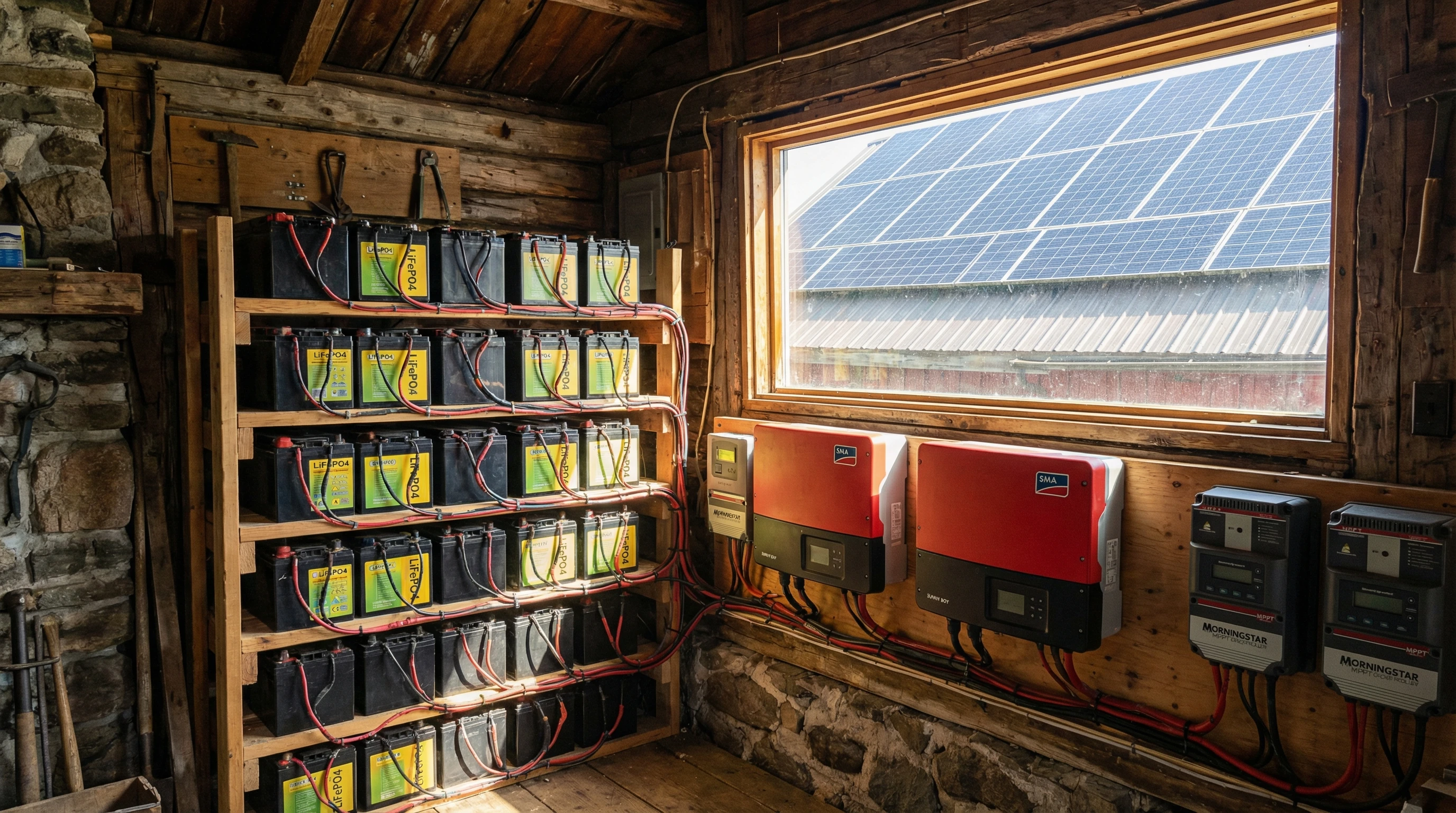
Solar Battery Basics for Off-grid Living
Solar energy storage is what keeps my lights on and appliances running after sunset or during cloudy spells. When I started, I quickly learned that storage isn’t just “plug and play”; the batteries, inverters, and charge controllers all work together. Choosing reliable, low maintenance gear saves a lot of time and trouble later on.
Solar batteries connect to photovoltaic panels, storing energy produced during the day. This power is used as needed, especially during evenings, storms, or outages. Living off-grid relies totally on this backup, so I make sure my battery bank can meet my needs even during stretches of bad weather. Without that capacity, daily routines would be interrupted frequently by energy shortfalls—making reliable storage a top priority for anyone serious about off-grid living.
Choosing Dependable Batteries That Last
Batteries are at the heart of every off-grid system. I’ve found there are three main types: lead-acid, lithium-ion, and saltwater batteries. Each has its strengths and drawbacks, and some require more routine maintenance than others. My own system uses lithium iron phosphate (LiFePO4) batteries because I value their long life, high reliability, and little upkeep.
- Lithium Iron Phosphate (LiFePO4): Known for a longer lifespan (over 3000 cycles) and less required maintenance. They’re compact, stable, and can be safely discharged further without hurting performance. I rarely need to check the water level or equalize cells; those are tasks that are common with other types.
- Lead-Acid/Sealed Lead-Acid (SLA): Cheaper upfront but require regular maintenance like topping up water, unless they’re the sealed SLA type. They’re heavier, have a shorter lifespan (usually fewer than 1000 cycles), and work best when not deeply discharged. At a low 5 watts efficiency per pound of battery weight, you need quite a lot of these!
- Saltwater: These are newer and attractive for their non-toxicity and easy recycling, but they’re less common and not as readily available where I live.
Investing in higher quality batteries with a good warranty can mean fewer replacements later. I keep my battery bank sized generously, with a bit of headroom, so I don’t have to run them too hard. This helps increase their longevity and reliability. I also look for batteries that are rated for deep cycling and have builtin battery management systems (BMS) because these keep each cell healthy and balanced.
Another consideration is climate. Extreme cold or heat affects battery performance, and not all battery types handle temperature swings equally. For folks living in regions with severe winters or hot summers, thermal management and insulation can make a lot of difference in everyday use and long term reliability. Some even use specialized battery enclosures or simple heated mats in winter to make sure their storage works as smoothly in January as in June.
Solar Battery Safety and Best Practices
I take battery safety seriously, especially because many off-grid setups are installed inside homes, cabins, or sheds. Even the best batteries can become dangerous if treated carelessly. I follow these steps to keep things safe and sound:
- Proper Ventilation: Lead-acid batteries release gases when charging, so I place them in a well ventilated area to prevent buildup. Lithium batteries don’t out-gas as much, but I still keep them off the floor and away from heat sources.
- Fire Safety: I never stack heavy items on batteries, and I check cables for fraying or corrosion. For peace of mind, I keep a Class C fire extinguisher nearby. Safety is about habits as well as hardware.
- Monitoring Systems: Battery monitoring isn’t just for techies. It helps me spot problems before they get out of hand, like overcharging, excessive heat, or voltage that’s too low.
- Routine Inspections: Every few weeks I look for swelling, leaks, or unusual smells. I address any issues immediately—waiting can be unsafe and costly.
Following the manufacturer’s instructions and keeping records of performance and maintenance makes batteries much safer and helps prevent surprise breakdowns. For anyone considering living off-grid, building safe habits from day one can save a world of headaches down the line.
Getting the Most Out of High Efficiency Inverters
An inverter’s job is to turn the DC electricity stored in batteries into the AC power that most appliances use. An efficient inverter accomplishes this with very little wasted energy. I look for inverters that are rated for high efficiency, often above 90 percent, and that match the voltage of my battery bank.
Pure sine wave inverters work best with sensitive electronics and appliances. They provide smoother, more reliable power than modified sine wave models. I also check that my inverter can handle the peak load for my lifestyle, including startup surges for things like refrigerators or pumps. Oversizing the inverter a little means less strain during heavy use, which also makes the system more reliable overall. Some advanced inverters let you stack units in parallel, giving flexibility for expansion if your power needs grow in the future.
- See also: Inverters
How to Plan the Right Battery Bank for Your Needs
Planning my battery bank started with a full review of my energy needs. I tracked the watthours used in a day and then added a buffer for cloudy days and unexpected situations. My offgrid friends often suggest building a battery bank for at least three days of autonomy to avoid running out during long stretches of bad weather.
Sizing depends partly on the type of battery. For instance, lead-acid batteries don’t like to be discharged below 50 percent, while lithium batteries can go down to about 20 percent without harmful effects. I plan my system with these limits in mind and always allow for some spare capacity.
- Calculate your total watt/hour use per day (for example, lights, fridge, water pump, charging gadgets).
- Multiply by the number of days you want to get by without sun.
- Choose battery chemistry and calculate the total storage needed, allowing for the safe discharge level.
To be as self reliant as possible, I sometimes choose a battery bank larger than calculations strictly require. That way, occasional spikes in power use or long cloudy periods don’t put my system at risk. Flexibility is key off-grid, and being prepared pays off in comfort and peace of mind.
Maintenance Tips for Off-grid Battery Systems
Keeping batteries in good shape is really important—replacement is expensive and inconvenient. I set up reminders to routinely check my batteries, clean terminals to avoid corrosion, and monitor charge levels. For lithium batteries, I rely mostly on the builtin battery management system. For lead-acid types, I check the water levels and equalize if needed.
I also review performance data every month, looking for drops in capacity or changes in charging behavior. This helps me spot aging or failing cells early on. Clean, dry, and moderate temperature locations can help extend battery life, too. While a little dust won’t harm batteries, keeping the area around your bank tidy can help you catch issues before they snowball.
If your system uses traditional lead-acid batteries, make sure to use distilled water when topping off cells. Avoid overfilling and keep an eye on vent plugs, which can clog over time. Lithium batteries need less hands on care, but it’s still good to check for firmware updates or monitor the BMS (Battery Management System) periodically if your system allows.
Troubleshooting Common Solar Storage Problems
Even the best planned solar setups hit a few bumps along the way. Early on, I ran into under-powered inverters, cables that were too thin, and batteries that didn’t last through the night. Through experience, I found these are some common issues:
- Underestimating Power Demand: Underestimating the size of your system leaves you in the dark sooner than you expect. I add up all devices, and it’s always more than I think.
- Poor Connection Quality: Dirty or corroded connections lead to losses and possible heating. I inspect, clean and tighten or repair them regularly.
- Over-discharging Batteries: Running batteries too low shortens their life. I use a battery monitor to keep track.
- Lack of Surge Capacity: Appliances like pumps and fridges draw extra power during startup. I make sure my inverter can handle these surges. I have been looking into a super capacitor bank that can absorb these kinds of surges.
- Too many eggs in one basket: Having a number of smaller independent systems provides redundancy in case one system fails or has issues, there are others to backup and fill the void. Small failures are easier to manage than one big one!
Another challenge is temperature: batteries lose some capacity when cold and may wear out faster if they’re repeatedly exposed to high heat. Paying attention to where your battery bank sits, and how well it’s insulated from all weather extremes, goes a long way. Occasional oddball glitches, like mysterious low voltage alarms, are often signs of a loose cable or overlooked fuse—don’t be afraid to give your system a once over if something changes unexpectedly.
Frequently Asked Questions
Here are a few of the questions I get asked the most about off-grid solar energy storage:
Question: What’s the best battery for low maintenance off-grid use?
Answer: From personal experience, lithium iron phosphate (LiFePO4) batteries require the least attention, last the longest, and handle daily cycling best. They’re pricier upfront but pay off in less work and fewer replacements later.
Question: Are inverters with higher efficiency really worth it?
Answer: Yes. Every percent of efficiency means more usable energy from your storage. An efficient inverter reduces waste, which is especially helpful when sunlight is limited and every bit of stored energy counts in off-grid setups.
Question: How do I size a battery bank for cloudy/winter periods?
Answer: I calculate my average daily usage, multiply by the number of backup days I want, and increase storage by 20 to 30 percent to cover extra dark periods or colder weather when batteries can perform less efficiently. Be honest with your usage estimates and double check your math for peace of mind.
Question: Can I add more batteries to my setup later?
Answer: Adding batteries is possible, but it’s best if they are the same age and chemistry as the existing ones. Mixing old and new batteries can cause imbalance and reduce overall life. Upgrading all at once is ideal, but gradual expansion works if you plan ahead and match specs carefully.
Real World Uses and Daily Life on Solar Storage
My system powers daily needs like lighting, refrigeration, water pumping, and device charging. With careful planning, I can run washing machines or even power tools for small projects. Quiet evenings under solar power feel rewarding, knowing the setup is reliable. In winter or during cloudy stretches, smart choices in storage and energy use help keep things running without hassle or surprise outages. Sharing the experience with friends and neighbors also opens up ideas for improvement and quick troubleshooting tips when something goes sideways.
Choosing reliable solar storage for off-grid living isn’t just about having electricity—it’s about making daily life smoother and reducing worries about outages or maintenance. Learning from experience, I trust dependable batteries, safe installation practices, efficient inverters, and solid daily habits to keep my off-grid home comfortable and resilient. There’s real confidence in knowing your home is powered by the sun, come rain, snow, or starry nights.
I hope you’ve enjoyed this article! Your comments, questions and thoughts are welcome below!

We also try and live off the grid as far as possible. We have solar panels, inverters and water tanks, and this works most of the time, except when we have bad weather for prolonged periods or the builders use heavy duty machinery and this drains the batteries really fast.
I haven’t heard of salt water batteries yet. Are these as long lasting as the lithium ones?
Michel, thanks for chiming in!
Yep. Living off-grid is a reminder that you’re truly living on Mother Nature’s terms!
The saltwater batteries are very experimental. Would be nice to have when/if they become practical.