
Solar power has become a popular option for clean energy, but as more solar panels are installed, it raises the question of what happens when they reach the end of their life. I often get asked what the recycling process looks like and why it matters. Since solar panels are large, complex products with a mix of valuable materials, recycling plays a big role in reducing waste and protecting the environment. I’m going to break down the recycling process and share what I’ve learned about the different steps, the challenges, and what’s being done to step it up further.
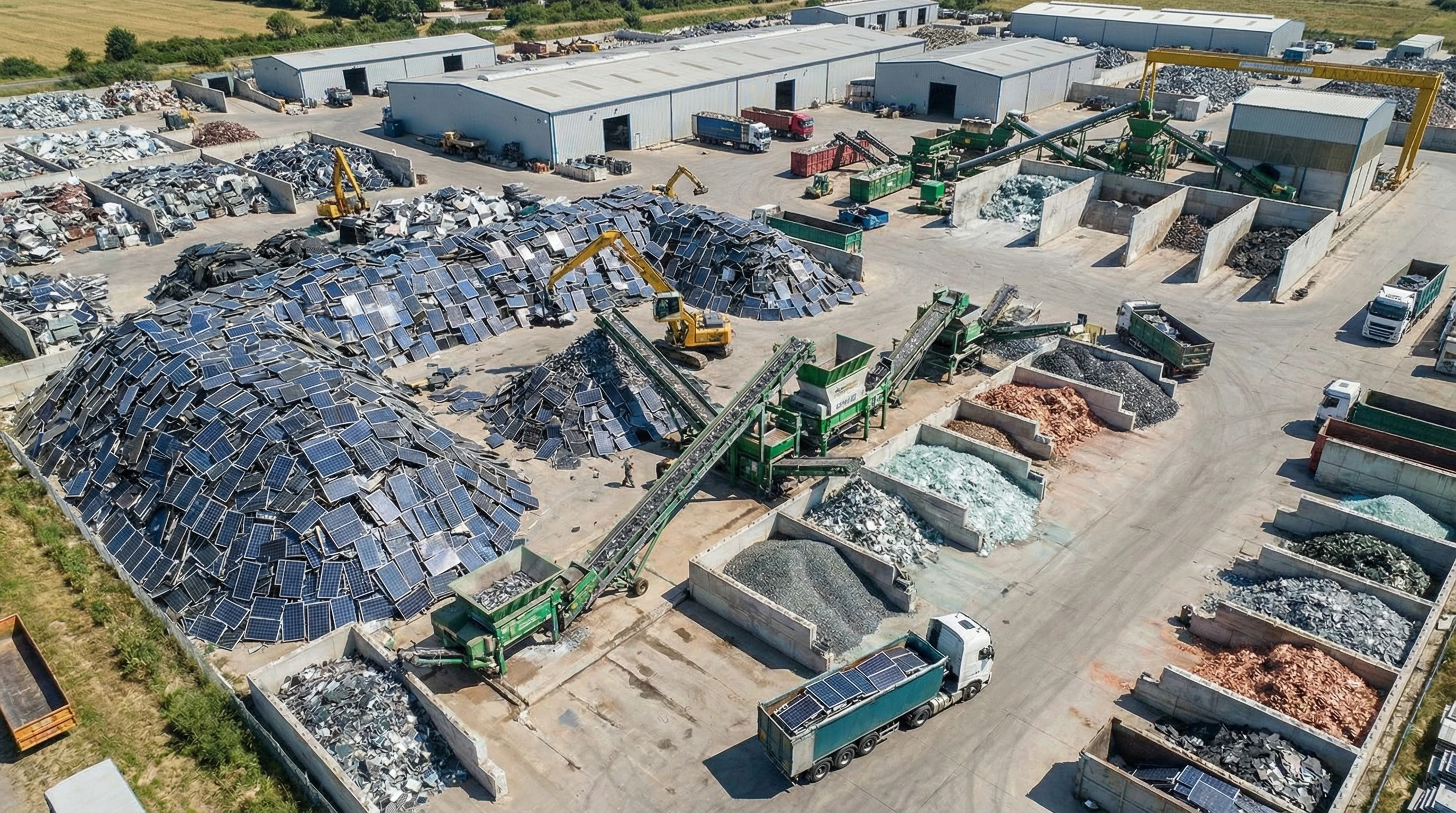
The Importance of Solar Panel Recycling
Solar panels usually last about 25 to 30 years. Once they’re no longer efficient or break down, they can’t just sit in a landfill. Most panels are made with glass, aluminum, silicon, copper, and sometimes small amounts of silver and lead. Tossing them out means wasting resources, and if not handled right, hazardous materials can leak into the environment. Recycling helps recover valuable materials, lowers the need for new raw resources, and supports a cleaner approach to renewable energy. Many countries now expect solar power companies and owners to recycle old panels, so understanding the process is especially important if you have solar panels at home or are considering an installation.
Though recycling isn’t a new concept, the volume of solar panels reaching end-of-life is growing every year. That makes it all the more important for us to check out what happens behind the scenes to ensure these panels are handled responsibly, not just for today but for future generations as well.
The Structure of Solar Panels: What Gets Recycled?
Knowing what’s inside a typical solar panel helps make sense of how recycling works. Most solar panels have these main layers:
- Glass: This is the panel’s thick front layer and makes up about 75% of its weight. It’s similar to window glass, so it’s highly recyclable.
- Aluminum Frame: The sturdy outer edge provides support and is easy to reclaim and reuse.
- Silicon Cells: These thin, dark squares convert sunlight into electricity. Made from purified silicon, they can be processed and reused or melted down for other uses.
- Copper Wiring: Thin metal lines inside the panel collect and move the electricity. Copper is valuable and commonly recycled.
- Small Amounts of Silver, Lead, and Plastics: These materials are used in electrical connections, backing sheets, and protective coatings.
The blend of materials means recycling takes more than simply tossing them into a standard recycling bin. Some layers are super bonded together, calling for special techniques just to get the most value out without making a mess of the environment.
Step-by-Step Overview of the Solar Panel Recycling Process
The recycling process can vary by country and panel design, but most panels go through similar steps. I’ll add some extra details here to give you a clearer picture based on facility visits, public reports, and insights from industry experts.
- Collection and Transport: Once panels are decommissioned, they’re collected from installation sites and shipped to a recycling center. Sometimes, panels that are only slightly damaged are refurbished and reused elsewhere first. Handling and safe packaging are important at this stage to avoid breakage or chemical leaks.
- Disassembly: At the facility, the aluminum frame is removed by hand or by mechanical means. These frames are almost always recycled. Other removable parts, like junction boxes and cables, are separated as well, and sometimes metals are sorted right on the spot.
- Glass Recovery: The glass is separated from the silicon cells. This can be done mechanically by crushing, or with heat treatment to loosen adhesives and lamination. Most of the glass comes away clean and can be recycled into new glass products, construction materials, or occasionally solar products again.
- Separation of Silicon Cells and Other Materials: After removing the glass, the remaining layers are treated to separate the silicon cells from the plastics and metals. This typically involves thermal or chemical processes. Some recycling facilities use acid baths or high heat to loosen materials and get the silicon back in a usable form, while others are working on less-toxic alternatives.
- Metal and Plastic Extraction: Metals like copper, silver, and lead are separated, cleaned, and sent to specialized recycling facilities. Plastics are sorted out. Some of these can be recycled, while others are handled as waste if they’re not recoverable. More advanced processes aim to reduce plastic waste by turning it into fuel or raw chemicals.
- Processing and Purification: Silicon wafers are cleaned, melted, and purified through several steps. The recovered silicon can be reused in new solar panels or sent for other industrial uses. Reclaimed metals and glass are processed at other plants to become new raw materials for manufacturing, sometimes even with the hope of being recirculated into fresh solar products.
This multi-step process is always growing more efficient as recycling companies and researchers work together to crank up the percentage of useful materials saved.
Techniques Used in Solar Panel Recycling
There’s no single recycling method for solar panels, and the approach changes depending on technology and regulations. I’ll share a few common methods I’ve checked out, along with their pros and cons:
- Mechanical Recycling: In this method, panels are crushed and shredded, then equipment like sieves and magnets sort out glass, metals, and plastic. This process is used by many large recycling plants in Europe, offering a fast way to process bulk panels. However, some material purity can be lost because of the rough treatment.
- Thermal Recycling: Here, panels are fed into a high-temperature furnace that burns off tough plastic layers, leaving glass, metals, and silicon for further sorting. This method is good at separating bonded layers but needs special environmental filtering to avoid air pollution.
- Chemical Recycling: Panels are placed in acid baths or treated with solvents that break down certain layers and help free up valuable silicon and metals. It’s more precise and can yield higher-quality reusable materials, but it comes with higher costs and safety demands.
High-tech startups are also pushing new boundaries, developing ways to preserve silicon cells intact, or even design panels from the start to be much easier to take apart and sort at the end of their use. Every year brings advances that step up the recovery rate and safety of the process, so the future looks promising.
Challenges in Solar Panel Recycling
I’ve discovered that recycling solar panels isn’t always straightforward. There are some roadblocks worth knowing if you’re thinking about the environmental impact of your solar system:
- Volume and Cost: Right now, the number of panels reaching end-of-life is relatively low, so recycling infrastructure is still catching up and costs are higher compared to standard electronics recycling. As more panels get old, facilities are expected to grow fast, helping bring costs down over time.
- Complex Construction: Panels are made to last for decades, using strong adhesives and multi-layer barriers, which makes separation tough. Some recycling methods can damage the components and lower the value of the recovered materials.
- Hazardous Materials: Some older or specialized thin-film panels include cadmium or other toxic substances, which require safe handling procedures and dedicated waste treatment to prevent environmental harm.
- Regulation and Incentives: Different countries or regions have their own policies; some have strict recycling rules while others don’t. The lack of universal regulations and incentives can slow progress, though some governments and industry groups are starting to offer more guidance and support.
Despite these hurdles, the industry is adapting. Research grants, government programs, and private initiatives are helping more facilities open and find practical ways to recycle safely, with fewer resources wasted.
New Developments in Solar Panel Recycling
There’s good news for anyone worried about waste and resource conservation. Recycling technology is moving forward, with more automation, robotics, and improved sorting systems that recover much higher percentages of materials than before. Companies now offer full-service panel pickup, transport, and recycling for both residential and commercial solar arrays, making it much easier for consumers to do the right thing.
On top of that, researchers are developing next-generation solar panels that are easier to recycle and contain fewer hazardous chemicals from the start. Projects include bonds that break down at lower temperatures and backing sheets that are non-toxic and fully recyclable. If these trends continue, tomorrow’s solar panels could be safer for the environment from production through end-of-life.
Additionally, new regulations and voluntary take-back programs are helping raise awareness about the need for recycling, giving consumers more options, and making it possible to keep valuable materials in circulation instead of tossing them out for good.
How You Can Support Solar Panel Recycling
If you own solar panels or plan to install a system, there are several steps you can take to support responsible recycling and make a difference:
- Pick a solar panel brand that provides recycling information or offers a take-back program, so it’s clear what will happen at the end of your product’s life.
- Track down local recycling rules and disposal sites before you remove or replace a solar system. Many installation companies can arrange collection and disposal as part of an upgrade or decommissioning service.
- Consider donating, reselling, or refurbishing under-performing panels if they are still functional. Sometimes these can get a second life with someone else or in a different location before full recycling.
- Ask your installer or provider about their recycling policy, and keep an eye out for updates to regional or national rules as recycling programs expand.
Common Questions About Solar Panel Recycling
I’ve put together a few questions I regularly hear regarding solar panel recycling. These answers might help clear things up if you’re unsure about what to expect from the process.
Question: What percentage of a solar panel can be recycled?
Answer: Most modern recycling processes recover about 80 to 95% of the panel’s weight, mainly glass and aluminum. Advanced methods can reclaim almost all the silicon, and improvements keep pushing this percentage higher as newer technologies roll out.
Question: Is solar panel recycling available everywhere?
Answer: Availability depends on your country or region. The European Union has strong rules requiring recycling and many facilities. The United States and Canada have a growing number of recyclers, but coverage is uneven. In Australia, programs are expanding quickly.
Question: What happens if solar panels aren’t recycled?
Answer: Panels end up in landfills, where valuable metals and glass are lost, and harmful substances could enter the environment over decades. Responsible disposal reduces this risk.
Looking Ahead
As solar energy keeps spreading, recycling grows into an even more important part of the clean energy story. I’ve noticed how choosing panels with clear end-of-life solutions and following the latest recycling updates helps me—and the wider community—take a step toward a cleaner tomorrow. If you’re investing in solar, make sure to plan from the start to the finish of your panels’ use. I’ll be tracking new developments and I recommend sticking with the latest information to see how recycling evolves and becomes more accessible over time.