
Traveling by RV gives me a real sense of freedom and independence, but managing power on the road can be tricky. That’s where solar panels come in handy. Setting up the right solar system lets me enjoy off-grid camping while keeping my essentials charged and my footprint low. Here, I’ll break down exactly what you need to know about solar panels for RVs, including how many panels you might need, whether it’s worth the investment, what kind works best, and whether you can realistically run big appliances like air conditioners on solar alone.
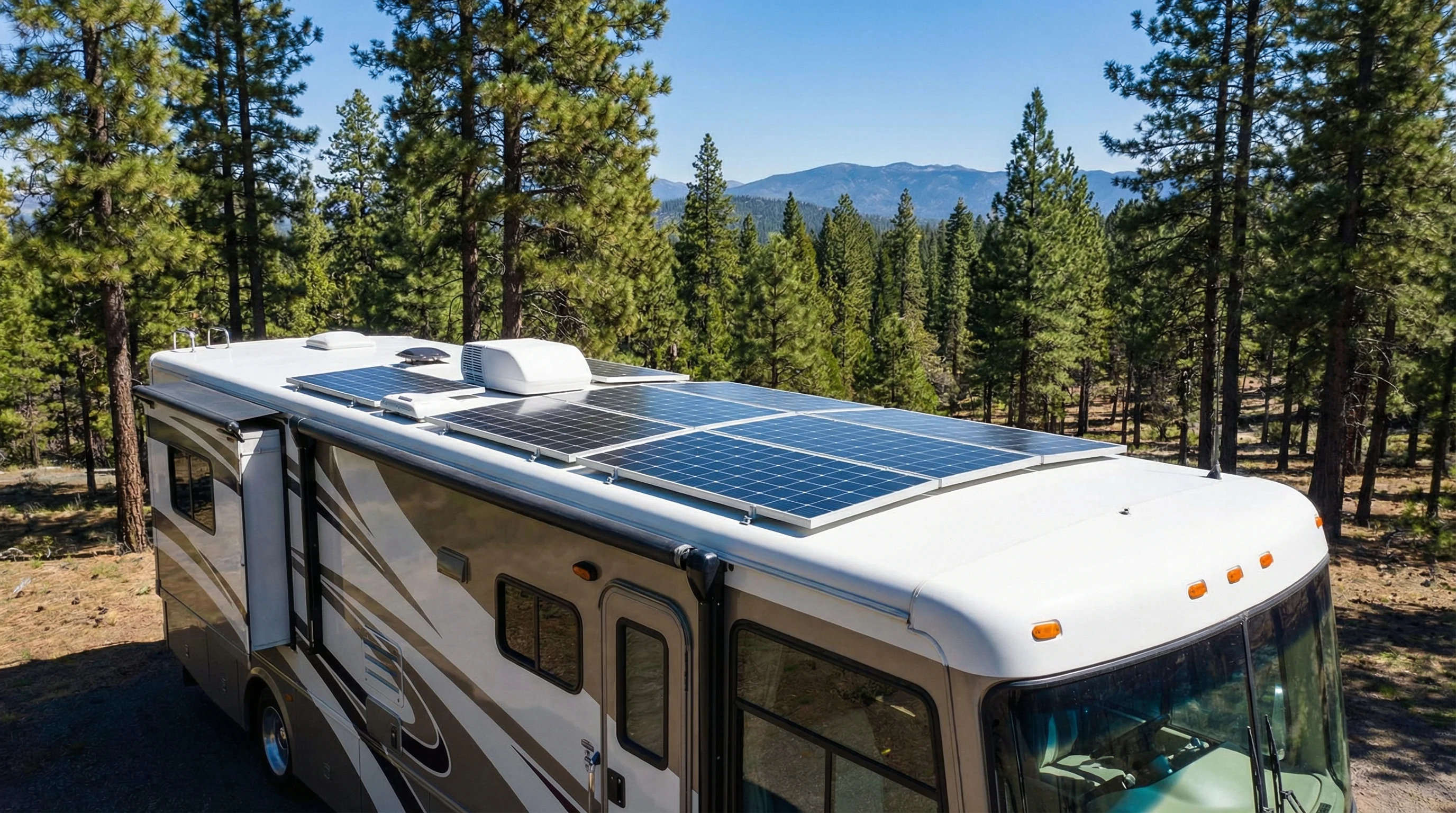
Why RVers Are Turning to Solar Power
Over the last decade, solar panels have become a popular upgrade for RV travelers. More people, including myself, are drawn to the idea of camping anywhere without needing to plug in at crowded campgrounds. Advancements in panel performance and the drop in prices have made solar setups more accessible for RV owners at every budget. According to Energy.gov, solar energy is now a practical solution for off-grid users, which is why I see more panels on RV roofs each year.
Running an RV on solar means fewer worries about noisy generators, finding power hookups, or burning through gallons of gas just to keep the lights on. A solar setup can supply power for lights, fans, electronics, and even some kitchen appliances. However, it’s helpful to be realistic about both the benefits and limitations before investing in a system. Having reasonable expectations will help you avoid disappointment and make the most of your power setup during your adventures.
Understanding RV Solar Panel Basics
If you’re new to solar, it helps to know how a typical setup works for RVs. Every system has a few main parts: solar panels, a charge controller, batteries, and an inverter.
- Solar Panels: These sit on your RV roof (or can be portable) and collect sunlight, which gets turned into electricity.
- Charge Controller: This manages the power from the panels so the batteries get charged safely, protecting them from overcharging.
- Batteries: Store the solar energy so I can use power even when the sun goes down.
- Inverter: Changes stored DC electricity from the batteries into AC power, which most RV appliances use.
Each part has its role, but it’s the setup as a whole that determines how much power I’ll actually have during my trip. Figuring out how these work together gives you an edge when upgrading or troubleshooting your system later on.
How Many Solar Panels Does an RV Need?
The number of panels needed depends on several factors. Most importantly, I look at how much electricity I actually use each day. Everyone’s needs are different, so the answer really comes down to individual lifestyle and habits.
Here’s how I calculate the right amount for my rig:
- Calculate Power Usage: I add up the wattage of all devices I want to run, and multiply that by the number of hours I’ll use each. For example, my LED lights might use 24 watts total, and if I keep them on for 5 hours, that’s 120 watt-hours. I do the same for my fridge, fans, charging devices, water pump, and anything else.
- Total Daily Needs: Adding up all my devices, I usually end up around 1,000 to 2,000 watt-hours each day for a modest setup. Heavy users with big appliances will need more.
- Panel Output: A single 100 watt solar panel produces about 400-600 watt-hours per day, depending on sunlight and location. If I’m aiming for 1,200 watt-hours, I’d generally need at least three 100 watt panels, assuming good sun exposure for five to six hours a day.
- Location and Season Matter: In cloudy regions or winter months, my panels will produce less, so I often build in extra capacity or carry portable panels as a backup.
So, for regular RV use (running small appliances, charging devices, and using lights), a setup with two to four 100 watt panels works well for many people. If my needs are higher, or I want to run big appliances, adding more panels, more battery storage, or higher wattage panels helps a lot. It’s wise to make sure your system is flexible enough to expand if your power requirements increase over time.
Are Solar Panels Worth It on an RV?
Whether investing in solar for my RV makes sense comes down to my camping style, travel habits, and expectations. I find it’s especially valuable if I spend a lot of time boondocking (camping without hookups), want to reduce generator use, or just like the freedom of being off-grid for days at a time. If you mostly stick to established campgrounds with plenty of amenities, the payoff might not be as quick, but the benefits really shine during extended off-grid adventures.
Pros of RV Solar Panels:
- Free, quiet power from the sun once installed
- Reduced dependence on campgrounds with hookups
- No fuel costs for running a generator
- Less noise and less pollution at campsites
- Long-term financial savings for frequent travelers
- The ability to camp almost anywhere without worrying about plugging in
Cons to be Aware Of:
- Upfront costs can be high, especially with big systems
- Limited power in shade, bad weather, or winter months
- Requires permanent installation or storage space for portable panels
- Some maintenance is required to keep everything running smoothly
For me, solar is most valuable when I want to stay off-grid for more than a night or two, or if I’m camping in remote areas where power isn’t available at all. If my RV trips are always to full-hookup campgrounds, the investment in a large solar system would pay off less quickly. However, for those who love the flexibility to camp just about anywhere, solar panels really give a boost to the RV lifestyle.
Can You Run an RV Air Conditioner with Solar Power?
This is the question I get most often. Most standard rooftop RV air conditioners are pretty power hungry, running at 1,500-2,000 watts or more. Running an air conditioner strictly off solar panels and batteries is impractical for most RV setups. To do it, one would typically need:
- Very large solar array (think six or more 200watt panels or 1,200+ watts total panel capacity)
- A big battery bank (usually lithium batteries, at least 400-600 amp hours, to store enough juice for AC use)
- A powerful inverter that can handle high startup surges.
While it’s technically possible, this setup takes up a lot of roof space, adds weight, and often costs more than $5,000 to $10,000 total. Most RV folks (including myself) use solar for everything except the air conditioner. I rely on generator backup or shore power when cooling is needed for long stretches, and use fans or shade to stay comfortable during the day. For those who are determined to run AC on solar, it helps a lot to have an energy efficient minisplit instead of a rooftop unit, or just run the AC for a short period in the afternoon. On especially hot days, finding a shady spot and using window coverings can be a big help too.
What Type of Solar Panel is Best for RV?
The best panel for my RV depends on roof space, budget, and how I use my system. Here are some main types:
- Monocrystalline Panels: These are the most efficient and compact for their size, which means I get more power out of limited roof space. They tend to cost a bit more, but I’ve found they’re a smart choice if I want maximum output in the smallest footprint.
- Polycrystalline Panels: Slightly less efficient and take up more space for the same wattage, but they can be a bit cheaper per watt. Good for those with room to spare on the roof and a tighter budget.
- Flexible Solar Panels: Really lightweight and can stick to curved surfaces, making installation simple. However, they tend to be less durable and less efficient, which is why I stick to rigid panels for larger setups.
For most people, monocrystalline rigid panels offer the best mix of high power, ruggedness, and long-term durability. Brands like Renogy, Zamp, and Go Power! are well known in the RV world and are built to handle the bumps and jolts of life on the road. Picking a reputable brand can make a big difference in peace of mind and performance down the line.
Getting Started: Steps to Installing Solar on My RV
Tackling an RV solar install means planning ahead and deciding how much of the work I want to take on myself. Here’s the approach I follow:
- Assess My Power Needs: List out everything I want to run and estimate daily energy use.
- Size the System: Pick panels and batteries based on calculations, then see how many panels fit on my roof versus how many I need.
- Choose Components: Match panels, charge controller, inverter, and batteries based on system size and compatibility.
- Install Carefully: Many RV enthusiasts hire a pro for rooftop wiring, but confident DIYers can do it themselves with basic tools and safety equipment. Taking the time to double-check wiring and sealing every entry point helps avoid leaks later.
- Test and Monitor: I recommend monitoring energy usage and production for the first few trips. Adjustments are often needed to balance the system for real world use. Digital monitoring systems make it easy to keep an eye on your system’s performance from your smartphone or tablet.
It’s also good to document your setup. Make a checklist of wiring and note where every major component is installed. This way, troubleshooting any issues that crop up down the road is way simpler.
Common Challenges and Tips for RV Solar Use
Owning and using an RV solar system has changed the way I travel, but there are a few things to watch for:
- Shade is a Big Deal: Even a little shade can reduce solar output a lot. Whenever possible, I park in open areas and keep the panels clean. Tree branches, leaves, and dirt can block sunlight, so a regular check helps keep things running smoothly.
- Battery Maintenance: Flooded lead acid batteries need regular checking, but lithium batteries are basically maintenance free. I pay attention to battery health to avoid problems down the road. Investing in a smart battery monitor can make battery management almost effortless.
- Expansion: My needs have grown over time, so choosing a controller and inverter that allow for future system upgrades saves hassle later. Planning for expansion means any upgrades you do are simpler and more cost effective in the long run.
- Weather Impacts: Cloudy days and short winter sunlight hours mean less power. Bringing a backup generator for bad weather is smart planning. You might also consider carrying extra portable panels in case you need a bit more charging ability when the weather isn’t cooperating.
Staying on top of these factors lets you get the most out of your solar investment and keeps your adventures rolling smoothly.
FAQs About RV Solar Panels
How many solar panels are needed to run an RV?
For most RVs running basic appliances, two to four 100 watt panels cover daily use. If I want to run larger appliances or go without shore power for longer stretches, more panels and batteries help a lot.
Are solar panels worth it on a RV?
Solar panels are worthwhile for people who like camping off-grid or boondocking. The environmental perks, quiet operation, and ability to recharge without hookups make travel more flexible and enjoyable for me. If I mostly stay at full hookup campgrounds, the value is lower.
Can you run an RV air conditioner with solar power?
Most RV solar setups are not built to support running an air conditioner for long. While it’s possible with a massive setup, most RVers use solar for lights, fans, charging, and some kitchen appliances, but not AC.
What type of solar panel is best for RV?
I recommend monocrystalline panels for their efficiency and durability. Brands designed for RV use tend to handle road vibration and weather better than basic residential panels.