
Bringing a solar generator on a camping trip has changed how I plan my outdoor experiences. Before I made the switch, I spent far too much time handling disposable batteries, noisy gas generators, and figuring out how to keep my phone and lights charged. Now, I rely on portable solar power, which feels much simpler and more dependable for anyone looking to enjoy reliable electricity in the wilderness. In this article, I explain the real benefits of using solar generators for camping, highlight common drawbacks, and answer some practical questions you might have if you are considering one for your next trip.
The Value of Solar Generators When Camping
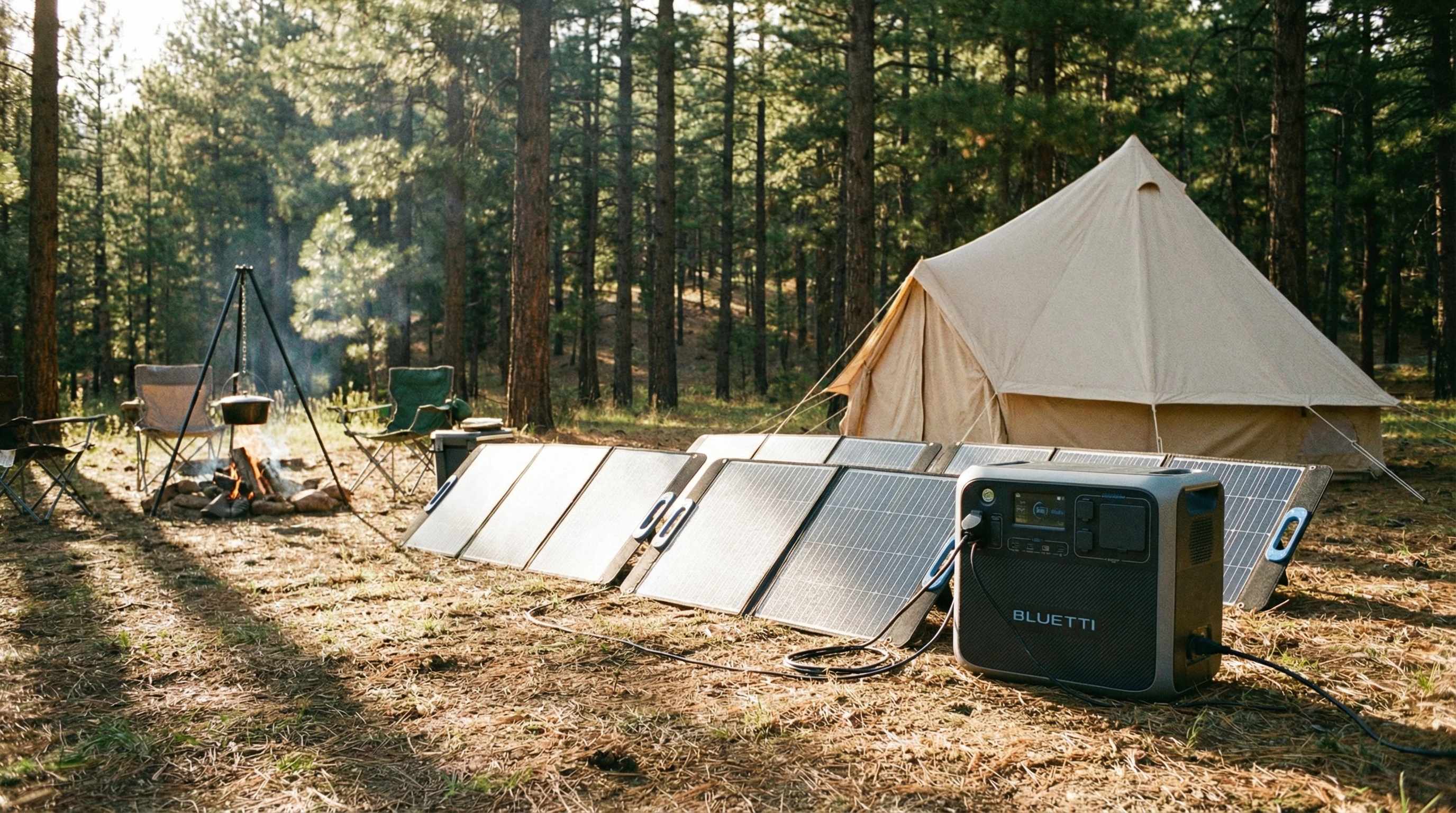
Solar generators have made camping much easier for me. Before getting one, I depended on flashlights, car chargers, or basic power banks, which often struggled to keep up with the demands of a full weekend outdoors. With a solar generator, I’ve been able to charge my phone, run lights all night, and even power a small refrigerator without the noise, fumes, or hassle of gasoline generators.
Many people ask if solar generators are really good for camping. From my experience, the answer is yes. The biggest appeal is having a reliable power source that doesn’t involve fuel runs or stress about noise disturbing other campers. Solar generators work especially well for family camping, off grid remote sites, and extended trips where you want to keep devices running but can’t plug into the grid.
How Solar Generators Work
At their core, solar generators combine a battery (often lithium-ion), an inverter, charge controllers, and solar panels. During daylight, the panels collect solar energy and store it in the battery. When you need power, you simply plug your device into the generator’s USB, AC, or DC ports.
I find the all-in-one units very easy to use. I just unfold the solar panels, connect them to the generator, and let them do their job while I hike, fish, or relax at camp. Modern solar generators can weigh as little as 7 to 15 pounds, so I can easily carry them from my car to the campsite without much effort. Much lighter than older units that used lead-acid batteries!
Top Benefits of Using Solar Generators for Camping
- Quiet operation: One of the most noticeable benefits is silence. My solar generator doesn’t make any noise, which means peaceful mornings and evenings without the rumble of a gasoline engine.
- No fumes or fuel storage: Unlike gas generators, solar models do not give off carbon monoxide or other exhaust gases. This keeps my tent and cooking areas safe. There’s also no risk of spilling fuel, which I find especially reassuring around children and pets.
- Low maintenance: My solar generator asks for almost no attention. I keep the parts clean and make sure to fully recharge the battery at home before leaving for a trip. That’s really about it.
- Unlimited power during sunny weather: On clear days, I can recharge the battery every day, so running out of power on trips longer than a single weekend has become rare. This is a major improvement over carrying a fixed number of backup batteries.
- Portability: I can pick up my generator and move it to wherever the sun shines strongest. The units are compact, so fitting one into the car with the rest of my gear is never a problem.
- Ability to power a range of devices: My solar generator lets me run string lights, charge cameras, power a portable fan, and even keep a CPAP machine working overnight. Many campers also use them to power a small cooler or refrigerator, making them quite versatile.
Is a Solar Generator Right for You?
If you want a power source that is simple, portable, and does not require ongoing fuel purchases, a solar generator is worth considering. They fit neatly into car camping or longer excursions where quiet and clean operation matters. Solar generators are especially useful for families with children, anyone with medical devices, or anyone who depends on their phone for communication and navigation in remote locations.
Solar generators are widely seen as a good fit for camping. Their main strengths are low running costs, easy operation, and safety, especially compared to gas generators that pose carbon monoxide risks.
Drawbacks and Limitations of Solar Generators
While solar generators have improved life outdoors for me, there are a few disadvantages worth mentioning. On cloudy days or in deep shade, solar panels can only provide limited charging. That means you may need to conserve power or bring a pre-charged battery pack as a backup, especially on longer trips with unpredictable weather. Some campsites beneath dense tree cover simply won’t allow for much solar panel exposure, so it’s smart to check your site before packing, or keep alternatives handy.
Solar generators can also cost more upfront than simple gas generators, though there is usually no ongoing fuel cost. Charging times may be slow if panels are underpowered for the generator’s battery size, especially after multiple overcast days. And while small models power phones, lights, and laptops easily, they cannot handle power hungry equipment like large electric coolers or kitchen appliances. When I needed to run devices such as a coffee maker or a high wattage heat source, my solar generator wasn’t up to the challenge, so it is best to plan your camp meals around these limitations.
I always advise fellow campers to check the wattage and battery capacity carefully before purchasing. Realworld testing helps you know what a specific generator can handle, so I recommend reading reviews or watching demonstration videos from actual users or posting questions in camping forums for a real world take on specific brands.
Common Disadvantages Summed Up
- Limited charging speed in low sunlight
- Higher upfront cost compared to some gas or battery only options
- Not suitable for heavy duty appliances
- Charging requires setup and regular panel repositioning in the sun
- Shade and location can affect your charging window, especially in dense forests
Choosing the Right Solar Generator for Camping
I suggest picking a solar generator based on your main needs. For most campers, a unit between 300 and 600 watts is enough to run LED lights, charge phones, and keep a laptop powered for several days. A 500watt solar generator is quite popular because it strikes a nice balance between size and capability. With my 500watt model, I have been able to:
- Charge my smartphone (typically over 25 times)
- Power string lights for several nights
- Run a portable fan or air mattress pump
- Keep a compact cooler or a small refrigerator running for around 8 to 12 hours, depending on the fridge and battery size
Larger generators work for more demanding situations but are heavier and pricier, so I always weigh my power needs against how far I will need to carry the gear. Also, smaller models are usually sufficient for solo campers, while families or small groups may benefit from mid range options. If you plan to use a lot of gadgets or want backup power for more than a weekend, investing in a higher capacity setup is smart.
Safety and Environmental Considerations
Solar generators do not emit any dangerous gases – no fumes, smoke or carbon monoxide. I can safely run mine inside a tent vestibule or under a rain tarp without worrying about hazardous buildup. This is really important for small, enclosed camp shelters or RVs where ventilation can be tricky.
Gas generators, on the other hand, should never be used in a tent or confined space due to the risk of carbon monoxide poisoning. This improvement in safety alone makes solar generators the better choice for most family and group camping trips. Plus, it means less noise and air pollution for everyone nearby, helping preserve the camping experience for everyone in your area.
Solar Generators and Modern Camping Appliances
A common question is whether a portable solar generator can power a small refrigerator. My 500watt model can run a compact fridge for about 8 to 12 hours, depending on sunshine and how energy efficient the refrigerator is. This helps a lot when I want to keep food fresh or store medication. For longer operation, I move the solar panels throughout the day to maximize charging and make sure the fridge/lights share power sparingly. If you plan on running a fridge overnight, limiting other device usage is a good idea.
For microwaves, coffee makers, or large electric coolers, most portable solar generators will not provide enough sustained wattage. It’s best to check the output rating and compare it to your device’s draw. Don’t forget, some appliances have a startup surge, so always allow a little margin above the listed wattage to avoid tripping the inverter.
Practical Tips for Getting the Best Performance
- Charge the generator fully before you leave home, so you start your trip with a full battery.
- Move panels during the day to follow the sun and boost daily energy intake.
- Conserve energy by using LED lights and minimizing device run time.
- If you rely on vital medical equipment, keep an extra battery or small backup ready just in case.
- Test your setup at home before heading out, especially if you plan to run a fridge or other major devices.
- Position your panels at an angle to get the best sunlight throughout the day, and keep them clean from dust or pollen for optimal efficiency.
- Carry extension cables if you want to place the panels in sunlight while keeping the generator safely sheltered.
Frequently Asked Questions About Solar Generators for Camping
Are solar generators good for camping?
Yes. I’ve found solar generators reliable, silent, and easy to use for camping. They provide enough power for lights, phones, fans, and even small appliances as long as you pick a model sized for your needs. Because they are silent and have no emissions makes them popular at campgrounds with generator restrictions.
What are the disadvantages of a solar generator?
They can be less effective in rainy or deeply shaded environments. They are slower to recharge than plugging into a wall outlet. Upfront costs may be higher than gas options, and they have limited output compared to heavy duty fuel generators.
What can a 500 watt solar generator carry?
From my own use, a 500 watt model can charge phones and GPS devices. They can run LED lights for several evenings, power a laptop, and keep a compact refrigerator going for several hours at a time. It’s a good easy to pack size for most camping needs if you can do without large kitchen appliances or electric grills.
Do solar generators give off carbon monoxide?
No. Solar generators do not emit carbon monoxide or any exhaust gases, making them very safe to use in and around tents, RVs, and small cabins.
Can a portable solar generator power a small refrigerator?
Yes. I use my 500 watt solar generator to run a mini fridge for up to 8 to 12 hours on a single charge, depending on efficiency and starting conditions. For best results, I recharge the battery each day with the included solar panels.
Packing It All Up
Choosing to use a solar generator while camping means cleaner, safer, and quieter trips, with fewer worries about running out of power or causing pollution in natural spaces. Planning ahead and choosing the right capacity pays off in much easier, more comfortable outdoor adventures. Plus, you can truly enjoy nature without being burdened by noise, fumes, or endless battery changes—leaving more energy for hiking, cooking, and simply taking in the beauty around you. If you like the idea of reliable and sustainable camping power, giving solar generators a try makes any trip more enjoyable.

Wow, this is a great idea. Providing of course you have sunny weather, this is the perfect solutions for campers. I just wondered if the panels charge sufficiently during the day to give you enough power at night for lights, cooking and perhaps wifi? I suppose this would also depend on the size of the battery.
The joy of having the movable panels is that you can move them around so that they can catch the best sunlight possible.
Hi Michel,
An RV rooftop with some panels on it can harvest enough power to keep a power station charged, run some LED lights, a modem/Wi-Fi setup, and keep your devices charged 24 hours. Cooking is power hungry, but you can probably can do it if you cook small and quickly.
Wishing you a Happy Solar-Electrified New Year!