
Living off the grid means producing your own electricity, and solar panels are usually the first thing that comes to mind. With the options available today, finding the right solar panels for off-grid use is overwhelming!
Hello and welcome readers! We’re back after a 2 week winter break.
Okay… Getting this choice right makes a real difference in how comfortable and secure we can feel away from the power lines. Doing some due diligence now, before you invest time and money, is the best way to get on the way to reliable energy for everything from charging devices to running essential appliances.
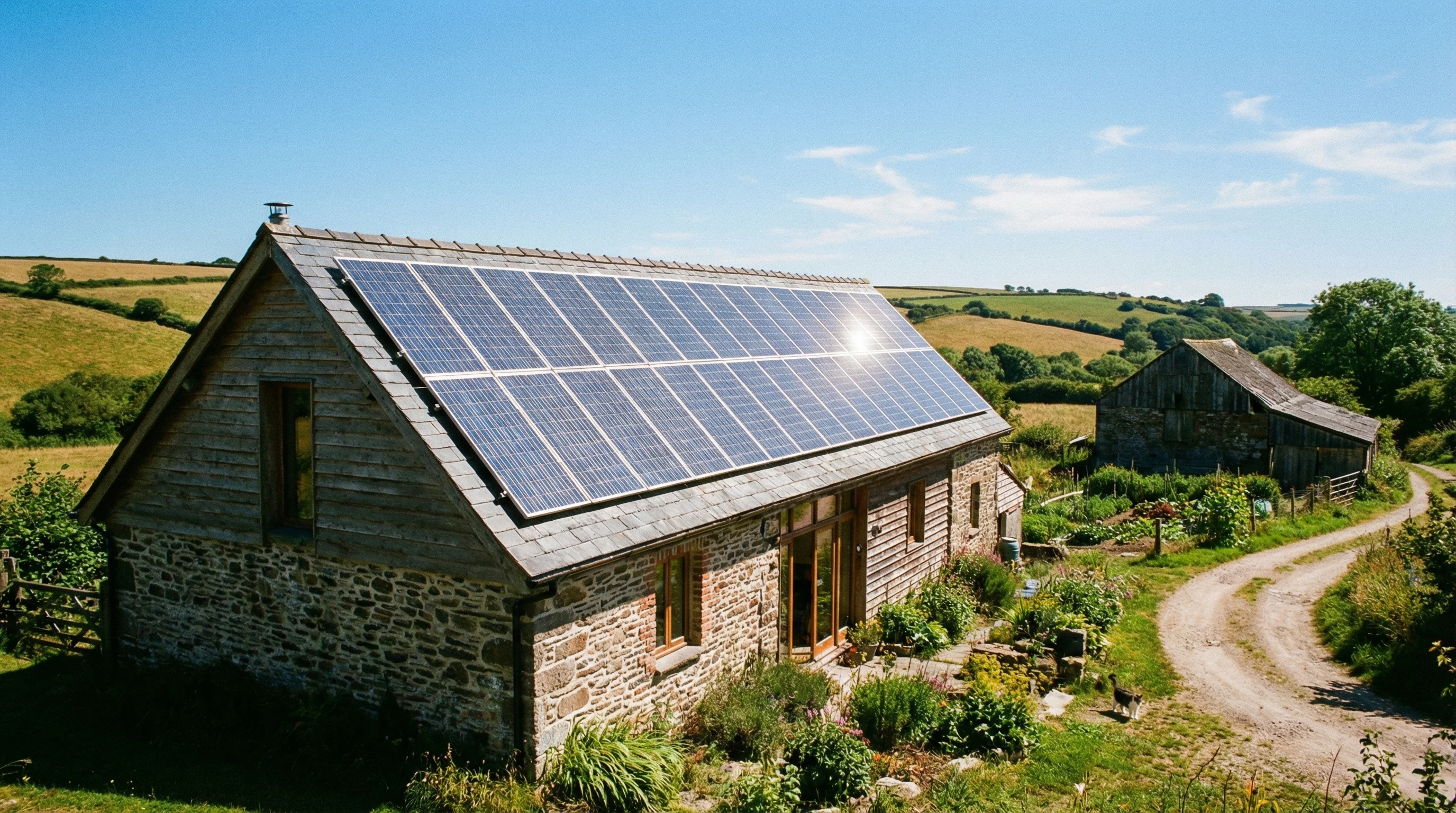
What Makes a Solar Panel Good for Off-grid Life?
Unlike solar panels for grid-tied homes, off-grid solar panels have a big job to do. They have to generate all the electricity you’ll use, store it for cloudy days, and stand up to weather without frequent calls for a technician. Reliability and ease of use go a long way when you can’t just swap to backup power from the main grid.
Solar panel technology has come a long way. Some estimates show the global off-grid solar market is closing in on $4 billion a year for 2026, showing just how many people want energy independence. There are many brands and system types out there, getting clear about your needs helps narrow the search and avoid expensive mistakes. Keeping it simple isn’t just easier, it often means fewer headaches.
Understanding Solar Panel Basics for Off-grid Setups
The first thing I learned is that not all solar panels work the same way or come in the same package. Panels are the core part. Next, you need batteries, charge controllers, and power inverters if you want to run your home off-grid. This is why some companies now sell off-grid solar kits that bundle everything together, making installation less stressful. This is especially nice if you’re new to solar.
- Wattage: This tells you how much power a panel can generate. The more wattage, the more you’ll be able to run.
- Type of Panel: There are three main panel types: monocrystalline (most efficient and space saving), polycrystalline (a bit cheaper, slightly less efficient), and thin-film (flexible and lightweight but much lower in output per square foot).
- Weather Durability: Panels installed in remote locations need to handle rain, wind, and maybe even snow. Higher quality frames and good warranties can pay off if you rely on them daily.
Off grid Solar Kits: A Simple Option for Beginners
If the idea of sourcing components for a system separately sounds daunting, off-grid solar kits are one of my favorite tips for getting started. A complete kit includes solar panels, a charge controller, mounting hardware, wiring, and often batteries and an inverter. Having everything designed to work together avoids mismatched parts and can help speed up the installation.
Kits make it easy to:
- Keep compatibility problems low
- Speed up the setup, less guessing on what goes with what
- Ensure every component is the right size and type for your needs
For small cabins, van life, and tiny homes, a kit in the 200 to 400 watt range is a common starting point. Larger kits in the 1,000 watt and up range are great for families, larger households and more power for bigger appliances. Having a little extra power is a smart move for unexpected needs or growing families.
One of the nice things about solar electric systems is that you can scale up existing systems as your needs and your confidence grows.
- See also: 5 Affordable Solar Kits For Beginners
Solar Panel Reliability for Off-grid Living
Reliability is super important when living off-grid. I learned long ago that a high quality, reputable brand panel will usually last longer and produce more power than cheap knockoff models. The warranty is another thing to watch. Most good solar panels come with a 10 to 25year performance warranty. Short warranties may suggest the company doesn’t back its product for real life use.
Banks of batteries are also part of staying reliable. Lead acid batteries are still common and affordable but very heavy and require a lot of room. Lithium batteries, especially LiFePO4 (Lithium Iron Phosphate) technology, hold up better in deep cycles and tend to last years longer with much less maintenance. Lithium battery systems are much more compact and can even be wall-mounted.
Modern batteries are best if you want a setup you don’t need to constantly check or adjust. Additionally, there is a plethora of monitoring tools available to help you spot changes before they turn into issues.
Maintenance: How to Keep Your Off-grid Solar Running Smoothly
Solar panels do need a little attention now and then. One tip is to check the panels every few months for dust, snow, or leaves that can block sunlight. I keep a soft brush and some clean water handy for easy cleaning. Secure mounts are worth checking after storms or heavy winds to prevent damage.
- See also: Solar Panel Efficiency Tips – Make Every Drop Of Sun Count!
- And: Maximizing The Lifespan Of Your Solar Panels
Battery maintenance depends on the type. Flooded lead acid batteries need occasional water refills and cleaning of terminals. Sealed lead acid (SLA) and lithium batteries are more hands-off, with little more than a periodic inspection. Keeping connections tight and watching for corrosion goes a long way in preventing power problems. Replacing worn cables and cleaning up dust from the system area helps extend your solar gear’s lifespan as well.
Choosing the Right Size System for Your Needs
Before I picked my panels, I spent a week writing down every watt I used for lights, charging, refrigerator, and any device I cared about. If you’re new to off-grid, this step can really save you from running out of power because you underestimated your needs. There are handy online calculators to add up your watt-hours per day. These tools are great for checking and adjusting your plan before you invest in hardware.
- Smaller systems (under 400 watts) work for campers and people only running a few lights and small electronics
- Medium systems (400 to 1000 watts) are popular for weekend cabins or going off grid part time
- Larger systems (over 1000 watts) suit full time off grid living with all the usual home comforts
Over-sizing your array just a little gives you a buffer for cloudy days or when you add new devices. Running out of power is never fun, especially in the winter. Adding just one or two extra panels can save a lot of frustration later.
Extra Tips to Get the Most from Off-Grid Solar Panels
I’ve picked up a few useful habits over the years that have kept my solar setup humming:
- Face panels south (in the Northern Hemisphere): This gets you the most sunlight possible through the day.
- Adjust tilt if possible: A steeper angle in winter and flatter in summer can help maximize power output year-round.
- Monitor daily usage: Using a power monitor lets you see if you’re using too much and spot problems before they grow.
- Use energy efficient devices: LED lights, efficient fridges, and inverters with low idle draw mean your system doesn’t need to work extra hard.
Being aware of seasonal changes, such as sun path shifts or tree growth around your panels, ensures you get the best results all year. Keeping records of your usage and performance can be a real lifesaver if anything needs troubleshooting later.
Common Questions About Off-grid Solar Panels
Here are a few things people often ask when starting their off grid adventure:
Question: Do I need batteries if I go off-grid?
Answer: For nearly all off grid setups, batteries are essential. They store power generated by your panels for nighttime and cloudy days. Skipping them usually isn’t practical unless you plan on daytime use only.
Question: Are flexible solar panels okay for an off-grid cabin?
Answer: I find that flexible panels are great for RVs and boats where weight and portability are critical. For stationary homes or cabins, rigid framed panels are usually longer lasting and perform better in all weather. Their stronger structure protects them from winds and heavy debris.
Question: How long do solar panels last?
Answer: Most good quality panels can still produce over 80% of their original output after 25 years. Some keep generating usable amounts for 30 years or more. Keeping panels clean and cared for helps them last as long as possible. Over time, you might swap out batteries or upgrade other components, but your original solar panels usually keep on working.
Useful Applications for Off-grid Solar Power
Off-grid solar panels can run just about anything you’d use in a normal home, as long as your system is sized for it. Here are a few ways I’ve seen off-grid solar make life easier:
- Powering lights and basic electronics: Even small systems can keep the essentials running for years.
- Running a refrigerator, water pump, or well: With a large enough battery bank, off grid solar can support most daily needs.
- Charging electric tools or appliances: Handy for homesteaders or those who spend a lot of time outside tending property.
- Recreational vehicles and boats: Solar panels make travel and adventure way more independent by providing energy wherever you go.
Beyond these, solar power can even run small workshops, operate security cameras remotely, and keep garden equipment charged up. Some off grid setups power greenhouse fans or livestock watering stations, showing just how versatile solar can be when you put your mind to it.
My Advice for Anyone Starting Out Off the Grid
Choosing solar for off-grid use is a decision that shapes daily life. My experience has shown that starting with a well matched kit, focusing on durability, and keeping maintenance simple is the best way to enjoy trouble free power far from the city. Spending a little more upfront on quality components has paid off for me with fewer breakdowns and less hassle. Even if you don’t know every answer yet, taking the time to plan your system is the easiest way to feel confident and ready for life off-grid. Remember, nobody gets it perfect the first time, but you’ll learn fast and soon find that energy independence is one of the most rewarding parts of off-grid living.
Cheers to your energy independence!

This article comes at the right time for many in our city. A huge pillon fell over the weekend leaving most of our city without electricity. They estimate the time to get it fixed is two weeks, so many of the dwellers are stuck and are scrambling to find storage space for their frozen foods.
We are lucky enough to have some solar power and this helps immensely with fridges and other small household appliances. Unfortunately Solar is expensive to install and beyond reach for many people.
Thank you for your tips on maintenance of these panels. This wasn’t something I was aware of so will make sure we get regular inspections and clean ups done.
Hi Michel! Sorry to hear of the situation in your city. It’s times like that when independent solar electric systems can be a life saver! Glad you do have some solar handy to help out. Do clean your panels – dirt and dust do reduce their energy output. A little TLC goes a long way!
I hope things get mended and back in order in your city!
Best to you!
– Oren