
Solar panel kits bring reliable, clean energy to tiny homes while keeping things simple and affordable. I know how important energy independence and reducing utility costs are in a small living space. When the square footage is low, every watt counts, and picking the right solar kit is really important. I’m going to walk you through what to expect from the best solar panel kits for tiny homes, what features matter most, and how you can choose a kit that fits your needs.
Understanding Solar Panel Kits for Tiny Homes
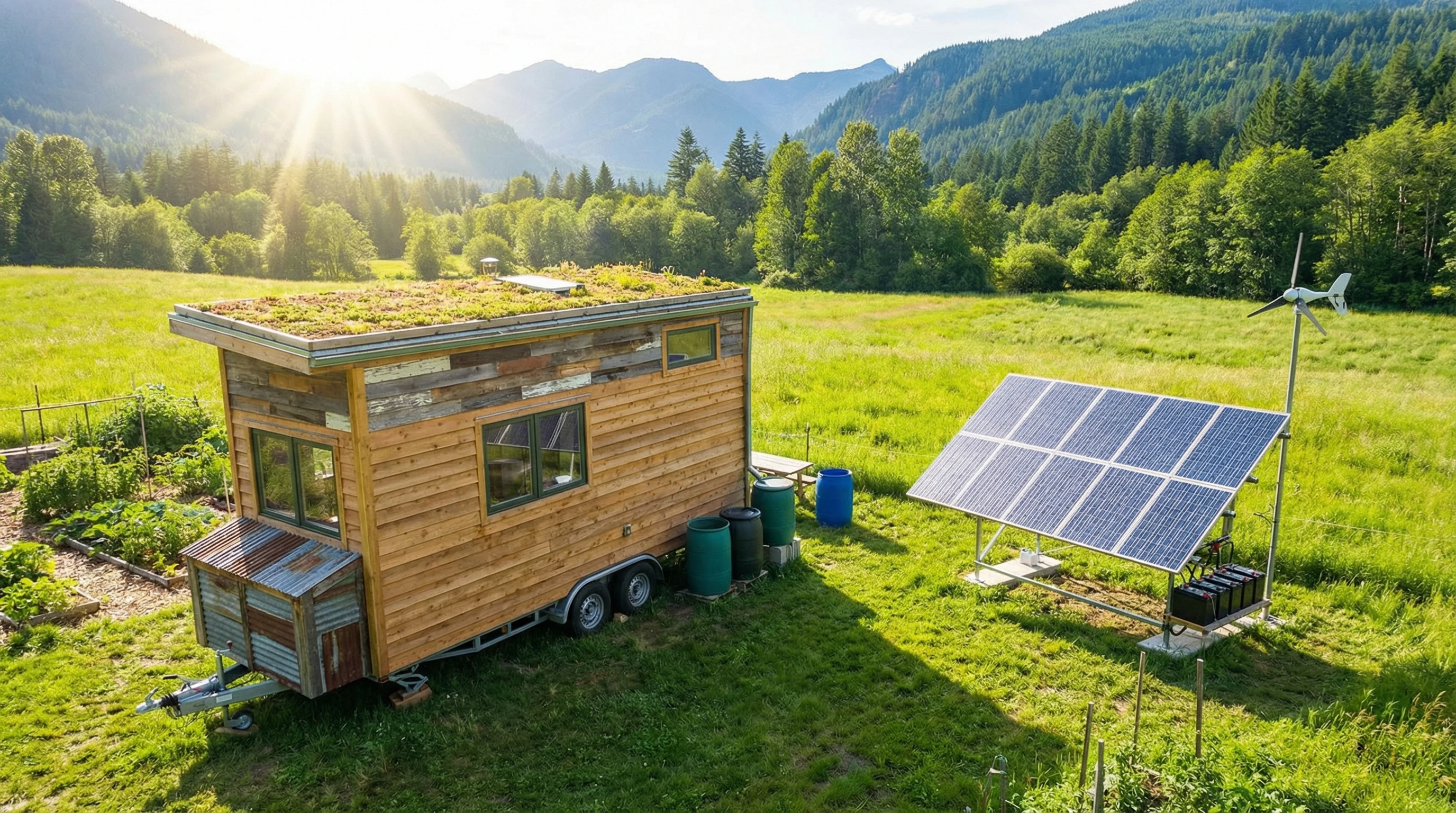
Solar panel kits for tiny homes are made to keep energy generation simple. They usually include all the main parts you need: solar panels, a charge controller, inverters, cables, and mounting hardware. If you’re new to solar setups, a kit takes out the guesswork, so you don’t have to piece together separate components and hope they go together. Most tiny home owners go this route to make the switch to solar more straightforward and reduce installation headaches.
The demand for high quality, user friendly solar kits has led brands like Renogy, Jackery, EcoFlow, BougeRV, and Sungold to design all-in-one options. They usually build these kits to be modular and compact, so they fit small roofs or flexible mounting spots. Some even offer portable setups for homes on wheels. If you want a solar system that grows with your energy needs, look for one of these all in one packages—adding panels later is usually easy and cost effective.
Why Go Solar in a Tiny Home?
I found out firsthand that running a tiny home off-grid comes with some challenges. Most small homes have limited roof space, so every panel has to pull its weight. Solar panel kits deliver real value because they let you harness power wherever you are and cut dependence on the grid. Whether your home is parked in the woods, by the beach, or tucked in a suburban backyard, solar keeps the lights on and the appliances running.
Cost savings is another strong reason many people choose solar. With energy prices rising, having your own power source keeps monthly bills predictable. Once your system is set up, maintenance is minimal and unexpected outages from the utility grid don’t affect your daily routine. Over time, solar often boosts property value too, since more buyers are looking for eco-friendly upgrades. Plus, you’re doing your part for the environment by shrinking your carbon footprint and using renewable resources well.
Key Features to Look For in Solar Panel Kits
Not every kit is made alike, and some fit tiny homes better than others. Here are the features I always put at the top of my list when reviewing a solar panel kit:
- Wattage and Sizing: The right wattage depends on your daily power usage. For a basic setup running lights, a mini fridge, and charging devices, 400–800 watts covers most needs. Bigger systems, like a 1200w or 2000w kit, let you power more appliances or handle occasional cloudy days.
- Type of Solar Panel: Look for monocrystalline panels when you want the highest efficiency per square foot. These are the norm in premium kits from brands like Renogy and Sungold.
- Portable vs. Fixed: If your tiny house moves often, you might like the Jackery or EcoFlow portable setups. These foldout panels can be stowed when traveling and set up anywhere with sun.
- Charge Controller: The controller regulates solar input so your battery isn’t overcharged. MPPT (Maximum Power Point Tracking) controllers are the most efficient and really help you get every last watt out of the kit.
- Inverter: If you want to run standard appliances, you’ll need a kit with a pure sine wave inverter. This lets you use items like blenders, laptops, and TVs safely.
- Included or Expandable Battery: Some kits (like EcoFlow or Jackery) come with built in battery banks. Others, especially those from Renogy, make it easy to connect and expand your battery storage as your needs grow.
Top Solar Panel Kit Brands for Tiny Homes
I’ve seen several solar brands become favorites in the tiny home community. Here are some of the most well regarded options you’ll find on the market right now:
- Renogy: Known for robust, modular kits. Their systems are reliable, easy to expand, and come with good technical support. Popular kits include the Renogy 400W Solar Starter Kit and the 800W Complete Kit. These are great for staying off-grid or as a primary power source.
- Jackery: Jackery is famous for solar generators paired with folding solar panels, including the Explorer 1000 or 2000 Pro kits. They’re all about portability and plugandplay setup, so even beginners will find these easy to use.
- EcoFlow: The EcoFlow Delta lineup combines beefy power banks and efficient solar panels in one sleek bundle. These work well for mobile tiny homes and those who want an all-in-one system they can control by app.
- Sungold: Sungold offers tough monocrystalline panels suitable for permanent installation. They’re all about efficiency and durability, which is perfect if your home is parked or you face harsh weather.
- BougeRV: BougeRV provides well priced, beginner friendly systems. Their basic solar kits are designed for straightforward roof mounting and good compatibility with a range of batteries.
How Many Solar Panels Would You Need to Power a Tiny House?
I often get asked how many panels you actually have to install to power a tiny home. The answer depends on your average daily energy usage and how much sun you get where you live. Most tiny homes use between 3–7kWh (kilowatt hours) of electricity daily if you’re running a small fridge, lights, a laptop, and maybe a few small appliances. You’ll use more if you have a washing machine, induction cook top, or air conditioner.
If you usually get around five hours of direct sunlight per day, here’s a simple estimate:
- A 100watt panel gives you about 0.5 kWh of power each sunny day.
- To cover 3 kWh daily, you’d need at least 6 x 100watt panels (or three 200watt panels).
- For higher usage, like 5–7 kWh per day, you might need 8–12 x 100watt panels, depending on weather and shading.
I always recommend sizing up if your home is in a shady spot or you want some backup on cloudy days. Adding even one extra panel makes a noticeable difference in reliability. If you have space for a ground panel setup, that can also give a boost to your energy supply without taking up more roof room.
Quick Checklist: Setting Up Solar on Your Tiny Home
When I put together my first solar system, I realized a step-by-step checklist saved me a lot of stress. Here’s my short version for any tiny home owner:
- Figure out your daily and peak energy use. List the appliances you use and how many hours each runs per day.
- Choose a kit size that gives you a margin above your top usage, so you’re not running out of power on cloudy days.
- Decide if portability is important. If you want fixed panels, make sure your roof can support them. For portable needs, look at kits from Jackery or EcoFlow.
- Pick a spot for mounting or storing the batteries. Batteries need some climate control to last a long time.
- Follow included instructions or consult a technician for safe wiring, especially for connecting the inverter or expanding batteries down the road.
Common Challenges With Solar Setups
Even with the best kit, I faced a few hurdles when going solar. Here are the most common ones and how I managed them:
- Battery Management: Batteries eventually wear out. Monitoring charge levels and not running them to zero every day kept mine working longer.
- Roof Space: Limited roof area is common on tiny homes. I prioritized high efficiency panels and added a detachable panel on a ground mount to boost output on sunny days.
- Weather and Shading: Trees, nearby buildings, and bad weather cut power output. Trimming branches and moving the portable panels during fall and winter helped keep energy coming in.
- Upfront Cost: Quality kits from brands like EcoFlow and Renogy are investments; the upfront price often pays off in lower bills and fewer power interruptions.
Extra Tips for Getting the Most Out of Your Solar Kit
Simple habits go a long way in getting the most value from solar in a tiny home. Always unplug or switch off unused devices, cook with propane some days, and use LED lights everywhere. Cleaning panels every month keeps their output high, especially after windy or pollen heavy days. Monitoring app-based controllers helps identify if a panel or battery is acting up before it turns into a real power problem. If you track your usage regularly, you’ll spot patterns that help you make the right tweaks for even more savings.
- See also: Maintenance
Frequently Asked Questions
Question: Can I install a solar kit myself?
Answer: Most all-in-one kits are designed for homeowners to install with basic tools, but working with electricity should be done carefully. For higher wattage or grid-tied installations, consulting with a solar technician is a smart idea.
Question: How long do solar kits last?
Answer: Most solar panels last 25 years or longer with minimal loss in efficiency. Batteries need replacing every 5–15 years, depending on their type and how heavily you use them.
Question: What maintenance do solar kits need?
Answer: Maintenance is mostly about cleaning dust off the panels and checking all cable connections are still snug. Battery terminals should be inspected for corrosion a couple times per year.
Switching to solar in a tiny home is a practical move that really boosts off-grid independence and long term savings. With kits from Renogy, Jackery, EcoFlow, BougeRV, and Sungold, finding one that matches your budget and lifestyle is easier than ever. I’ve experienced how solar turns a tiny house into a truly self-sufficient home, and with a little planning, you can too.