
Designing a garden that is solar friendly is all about making the most of sunlight to create a welcoming green space and harness clean energy at home. If you’re hoping to reduce your reliance on the grid or simply want to try out some sustainable solutions, focusing on solar options can make your garden smarter and easier to maintain. Drawing on my experience with solar powered design, I’m going to walk you through practical tips and creative ideas so you can start building your own solar powered backyard oasis.
Understanding the Benefits of a Solar-Friendly Garden
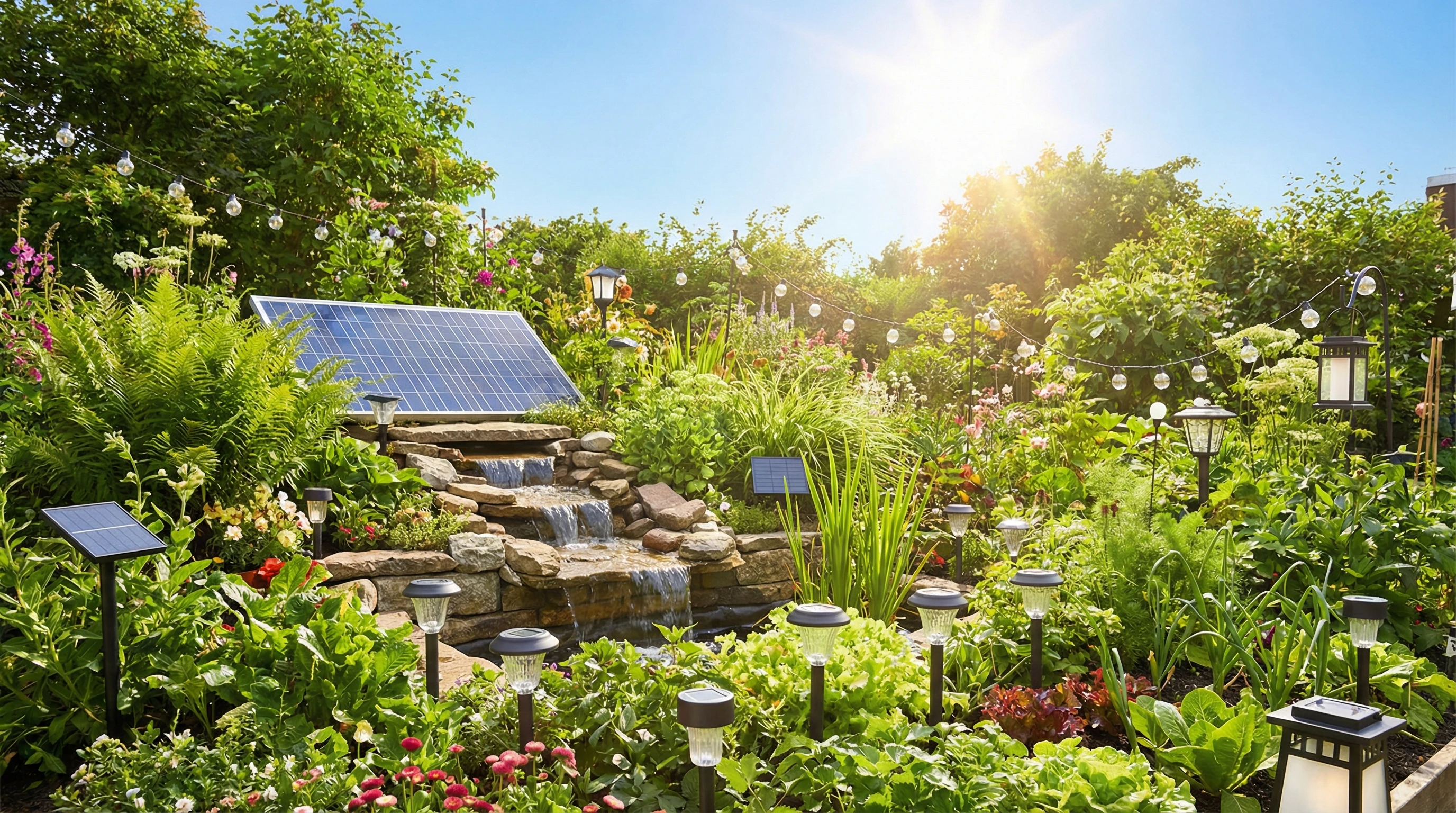
Adding solar solutions to a garden can make outdoor spaces more self sufficient, easier to look after, and cheaper to maintain. Using sunlight for power cuts down on electricity bills and reduces environmental impact. I’ve found that solar gadgets—from lights to water pumps—work reliably as long as they are placed where they receive direct sun for much of the day. For gardeners who love tech, solar systems bring smart features like timers and remote controls without complicated wiring.
With solar features, there’s less worry about running extension cords, increased safety for pets and kids, and the freedom to place lighting or pumps nearly anywhere. Solar powered landscaping also sets you up for a low maintenance, sustainable future and can boost the curb appeal of your home. Even better, gardens equipped with solar features can act as living classrooms for families wanting to learn and teach about renewable energy benefits in simple, hands-on ways.
Getting Started: Planning Your Solar-Friendly Garden
Before buying any solar products, I always start by observing how much sun each part of my garden gets throughout the day. Sunlight exposure changes with the seasons and surrounding structures. Taking notes makes it easier to choose where solar panels, lights, or powered features will perform best. Mark out zones that get steady sun between late morning and early afternoon for the most consistent results.
Many people overlook the importance of keeping plants trimmed away from solar panels and lights. Over time, branches or tall flowers can shade the panels and reduce their effectiveness. Keeping this in mind from the start saves frustration down the road. Always have a quick sun/shade check as part of your monthly garden tasks. That way, any blockage can be caught early, and your solar systems stay at peak performance.
Top Solar Powered Landscaping Ideas
There are plenty of simple ways to use the sun for outdoor upkeep or to add beauty to your yard. Some of the ideas I’ve tested include:
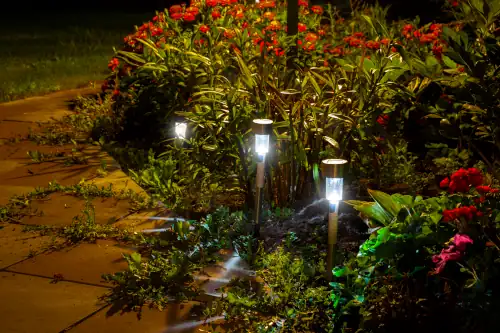
- Pathway Lighting: Compact solar lights are easy to install along walkways. They store sunlight during the day, then light up automatically at dusk. No wiring required and you can space them just as you like.
- Solar Water Features: Birdbaths, fountains, and small ponds can all be powered by solar pumps. These kits are usually plug-n-play and add movement and sound that attracts wildlife.
- Accent Spotlights: Use solar spotlights to highlight trees, garden art, or textured walls. Swivel mounts let you direct the light exactly where you want it.
- Deck and Patio Lights: Solar string lights, lanterns, or small floodlights create a cozy space for gatherings without hunting for outlets.
- Solar Powered Irrigation: Drip irrigation kits with timers/sensors and pumps that are solar powered can help automate watering in vegetable or flower beds.
Mix and match these features based on the layout of your yard and the look you want to achieve. Over the years, I’ve found that solar lights bring out the best in shade loving plants during evenings, while solar pumps keep water features fresh and lively all summer long. If you want more variety, you can even place colored lenses over your solar lights for special occasions or garden parties.
DIY Solar Garden Ideas That Anyone Can Try
Taking a hands-on approach makes solar gardening more fun and often more affordable. Here are some do-it-yourself ideas I’ve personally found easy and worthwhile:
- Homemade Solar Jar Lanterns: Repurpose mason jars by filling them with tiny solar string lights. Just leave the jars in the sun during the day, and they create soft, decorative lighting at night.
- Solar Powered Bug Zappers: You can create a basic solar bug zapper with an inexpensive garden light. Add mesh to attract insects. This helps keep sitting areas more comfortable in summer.
- Solar Charging Station: Attach a basic solar panel to a sunny post or fence. Use it to charge small battery packs or garden gadgets. I use mine mainly for topping up solar path lights on cloudy days.
- Upcycled Light Poles: Old broomsticks or metal poles can be painted and set along paths to hold solar spotlights at different heights, helping to create depth and contrast.
- Solar Powered Compost Turner: How about a sun powered timer and motorized drum to turn your compost over periodically?
Small DIY projects can personalize a solar friendly garden, making it one of a kind. Experiment with materials you have on hand before spending money on new decorations. If you want to add more functional elements, try solar powered mini wind spinners which not only look appealing when spinning but light up at night, bringing extra charm and life to your outdoor space.
How to Maximize Solar Energy in the Garden
Getting the most out of solar energy starts with good placement. I always look for areas with six or more hours of sun for solar panels or lights. Panels facing south (in the Northern Hemisphere) usually get the best coverage. It’s also a good practice to keep panels clean. Dust, leaves, and even pollen can reduce their ability to charge efficiently. A quick wipe down with a damp cloth every now and then keeps things running well.
For larger systems, like a solar greenhouse or off-grid irrigation pump, consider investing in higher capacity solar panels. Grouping similar devices, for example, lights that all need to come on at once, can help manage power more easily if you move up to a small solar energy storage system. A good tip is to check seasonal changes, since sunlight angles in late autumn and winter can affect charging, so periodic minor adjustments can help keep output steady.
Solar Powered Garden Systems Worth Trying
Sometimes, a garden can benefit from going beyond basic lights or fountains. I’ve experimented with several systems that can make outdoor spaces almost self sufficient:
- Solar Irrigation Controllers: Timed programs can water your garden based on the sun’s power and your set schedule, even if you’re not at home.
- Weather Responsive Sensors: Smart sensors connected to solar panels collect real time data on moisture and send signals to open or close water valves.
- Solar Greenhouse Ventilation: Small solar fans in greenhouses help manage humidity and temperature with zero impact on your electric bill.
- Automatic Solar Chicken Coop Doors: Solar kits can open and close doors at sunrise and sunset, making backyard flock care easier for busy gardeners.
- WiFi Garden Cameras: A low power solar panel can keep a motion activated garden camera ready all season for checking on pollinators or nighttime wildlife.
Solar garden systems can be adjusted to fit your interests, whether your focus is food gardening, pet care, or creating a relaxing space. Once set up, these systems run with little effort, making year-round gardening simpler and more rewarding. Exploring new advances as they come out can help your garden stay current with the most popular and eco-friendly options.
Common Questions When Setting Up a Solar Friendly Garden
I talk to a lot of homeowners who are curious but a little nervous to try solar in the garden. Here are a few questions that come up most often and what I’ve learned from experience:
Question: Will solar features work in cloudy or rainy weather?
Answer: Most solar lights and gadgets store extra energy in builtin batteries. A few cloudy days won’t usually cause problems, but long periods without sun will lead to shorter run times. Choosing models with larger or higher efficiency panels can help in areas with less sun. Placing portable panels out where they get the most light on grayer days can keep your system more dependable.
Question: How long do garden solar lights last?
Answer: Quality solar lights can last for two to five years before batteries need replacement. Cleaning them regularly and storing them indoors during harsh winters can help them last longer. If your lights seem dim after a couple of years, swapping out the rechargeable batteries is often all it takes to bring back full brightness.
Question: Are solar features safe around kids and pets?
Answer: Most small, low voltage solar powered garden items are very safe. They don’t pose electric shock risks and don’t need buried wires that might get dug up. Since solar systems use minimal current, they’re generally considered safe for general outdoor family use.
Cool Additions and Upgrades for the Future
Once you feel comfortable with the basics, there are plenty of ways to take a solar friendly garden to the next level. Solar powered smart home hubs can help control lighting, irrigation, and even music with your phone. If you like to grow your own vegetables, consider a solar greenhouse built with transparent panels to power fans or supplemental grow lights.
Mixing solar electricity with other sustainable practices, such as rainwater collection or compost bins with solar powered aerators, brings more benefits to your daily routine. Upgrading to higher wattage panels or battery banks means you can power small fountains or electric hand tools, depending on your needs. Try out vertical gardens powered with solar pumps for watering or incorporate solar lawn decorations for seasonal flair.
In my experience, starting with a few simple solar garden features makes it easy to expand as your interests grow. The flexibility and reliability of today’s solar products make them a practical choice for any home gardener. As clean technology gets more accessible, adding solar to your garden delivers value in savings, convenience, and a new “cool factor” for your outdoor space!

I had no idea there were so many solar powered gadgets for gardens! And solar powered chicken coop doors?! I had no idea. I have to tell my friend about that. I don’t have chickens, but my birdbath seems to go unnoticed by the birds, so adding a solar powered water pump will be perfect. Living in the Pacific Northwest, we don’t get as much light — but, I have noticed (as you suggested) that even our limited winter sun can still power the lamp that lights our flag. Maybe the mason jar fairy lights project is next! 🙂 Thanks for making this topic interesting and accessible for newbies.
Hi Ali, thanks for dropping by. My mother lives in Seattle, so I’m familiar with the “sunshine challenged” nature of the area. Solar panels can work well in the PNW – just not at their maximum levels. Small things like a bird bath fountain should be no problem!
There are emerging solar panel technologies like Perovskites that work better in lower light conditions – these should be interesting..
Glad you enjoyed!
Cheers to a solar electric powered New Year!
Hello Oren!
I really enjoyed this — it opened my eyes to aspects of gardening I’d never considered before! I’ve always loved the idea of a beautiful garden, but I never thought about how important it is to plan around the sun before planting. Your tips on arranging beds, choosing the right spots for shade vs. sun-loving plants, and even thinking about solar panels were super practical without feeling overwhelming.
It got me thinking about my own outdoor space and how I can start observing sunlight patterns instead of just planting wherever seems nice at the moment. Do you find certain plants are especially forgiving when someone is still learning their garden’s sun/shade rhythms? And for people who have only sunny spots, are there go-to plants you’d recommend that still thrive with full Arizona sun every day?
Thanks for giving me a fresh perspective — this makes me genuinely excited to plan smarter this coming season!
Angela M 🙂
Hi Angela, you’re welcome, and thanks for the good words.
It’s a bit of a balancing act integrating solar panels and gardening/horticulture. I’m not an expert on plants, but I’m sure you’ll find a lot of options that will work well in Arizona. Look into “xeriscaping” – the use of native plants for your area. That will likely be your most forgiving/low maintenance option.
Cheers to a fantastic solar powered new year!