
Solar powered outdoor living spaces are catching on fast, and for good reason. Adding solar tech makes outdoor areas more functional, lowers electricity bills, and shrinks your carbon footprint at the same time. I’ve seen friends turn drab backyards into comfortable hangout zones that run on sunlight, and it’s a lot less complicated or pricey than most folks think. In this article, I’ll break down what makes a solar powered outdoor living area work, where you can add solar features, and share some tips to get you started.
Why Bother with Solar Powered Outdoor Living?
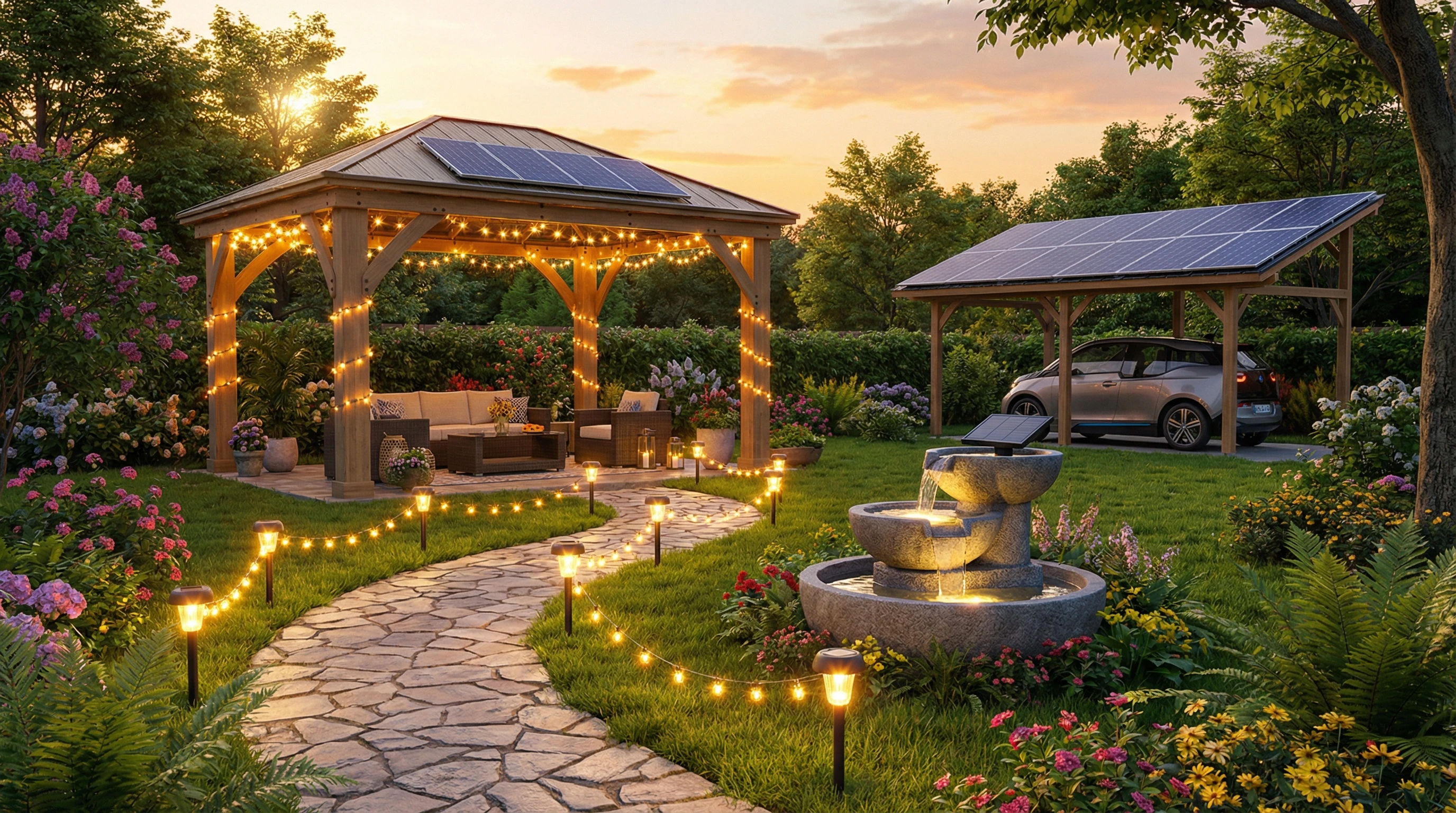
Outdoor spaces, from decks and patios to gardens, are often at their best when they’re as cozy and convenient as what you have inside. Solar tech takes this up a notch. Panels, lights, and solar powered gadgets turn boring lawns into spots for parties, family meals, or working from home sessions surrounded by fresh air. A few well chosen solar additions usually mean you’ll save on utility costs and keep things running even during a power outage.
The outdoor solar industry is growing at lightning speed. According to energy trend reports, the market for residential solar products keeps getting bigger, thanks in part to affordable gear and better tech. People want reliable outdoor lighting, easy ways to charge devices, and new ways to use their patios or gardens after dark, without adding to their electric bill. Solar fits the bill without any heavy construction. Plus, as more neighbors and friends add solar features, the social aspect grows—you’re not only saving money, but also keeping up with trends and getting bragging rights when guests visit your deck or garden. Solar tech today is more user-friendly and accessible than ever, so anyone can roll out a smarter outdoor area.
Making an outdoor area solar-powered isn’t just a trend. It stretches usable hours, adds value to your home, and lets you enjoy nature with a few handy perks. And with climate change and energy shortages in the news, stepping up your green game feels like a win.
- See also: Designing A Solar-Friendly Garden
Solar Upgrades That Make a Difference
If you’re new to solar for outdoor living, you might be surprised by how many options are out there. Even a small backyard can benefit from solar features. Here are a few of my favorite solar powered upgrades you can try:
- Solar Path Lights: These are practically everywhere these days. They’re perfect for lighting up walkways, garden beds, or even the driveway with zero wiring hassle.
- Solar Powered Gazebos: Roof-integrated panels collect energy to power lighting, fans, Bluetooth speakers, or even a mini fridge. I find these great for turning a shaded sitting spot into an all day hangout zone, whether you want to relax or get some work done outdoors.
- Solar Outlets and Charging Hubs: Want to power a blender, charge your phone, or plug in music on the patio? Solar powered outdoor outlets and USB charging hubs are super handy. They’re easy to place, weather resistant, and work even off grid—all you need is sun.
- Solar Car Ports: Parking under a car port that collects sunlight isn’t just a glitzy gimmick. The panels can keep your car shaded while generating power for the house, garden shed, or even for charging an ebike or EV. Plus, these car ports add function and style to driveway areas that tend to be overlooked.
- Automated Night Lighting: Solar-powered lanterns, floodlights, and string lights can give you enough light to grill, play lawn games, or read outside well into the evening. Some models turn on automatically, while others work with a remote or smartphone app so you always have control at your fingertips.
There’s no shortage of options, so pick based on what you’ll actually use—do you want a dazzling outdoor dinner space, a laid back work zone, or a kid friendly play area? The versatility of solar means you can shape your setup to fit any goal.
How to Plan Your Own Solar Powered Outdoor Space
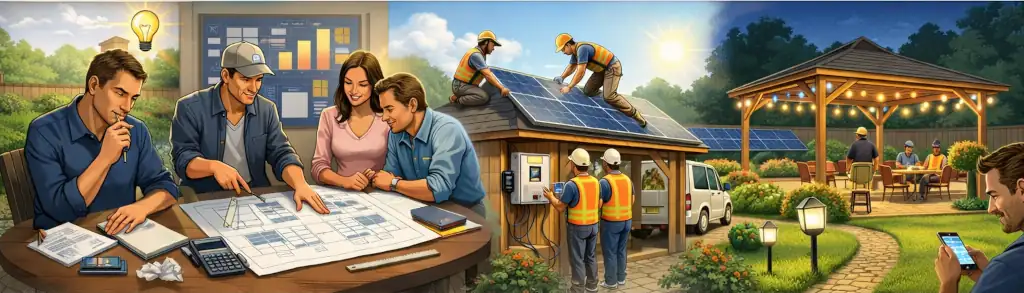
Putting together a solar powered backyard doesn’t mean a total overhaul. A lot of the fun comes from picking and mixing gadgets that actually match your lifestyle. I like to start with a simple layout drawing, a rough sketch is fine, then add key spots for lighting, seating, and gadgets.
A typical setup might include solar lights along paths, a couple of solar powered outlets near a grill table, and a solar gazebo for daytime chilling or working. For those looking to park an EV at home, a solar car port almost always pays for itself over time, especially if you combine it with a storage battery.
Some important things to consider as you map out your plan:
- How much direct sun hits your space each day? A shady backyard will need more efficient panels or devices designed for lower light.
- Are you more interested in lighting, power for gadgets, or adding climate control like solar fans? Remember, layering different devices can create a more dynamic and enjoyable space.
- Does your space host a lot of outdoor dinners or nighttime gatherings? Stronger solar floodlights or string lights help in those cases and can add a new level of cool to your setup.
- Are you hoping to go off grid or just cut down your electricity use? Some people like the idea of full independence, while others just want to save on bills.
Don’t be afraid to get creative! You can always start with basics and add new solar elements as your needs change. Outdoor kitchens, reading nooks, even solar water features are easy to layer in later.
Common Hurdles (And How to Handle Them)
Even the coolest solar living setup isn’t perfect right out of the box. I’ve had people ask about reliability, winter weather issues, and whether solar gear needs tons of upkeep. Here’s what I’ve learned from my own experience (and from plenty of trial and error):
- Cloudy Days and Low Sun: Performance can dip during long stretches of bad weather, but a battery backup or solar panels with higher efficiency ratings can cover those days. For stuff like garden lights, you can swap in rechargeable batteries to bridge the gap.
- Upfront Cost: Solar lights and basic gadgets are affordable, but a gazebo or full car port with solar arrays costs more at the start. I tend to look for sales or rebates; it really helps if you check local energy incentive programs and tax credits. Sometimes you can find used or open box solar panels at a bargain, too.
- Maintenance: Most solar products are built to last through rain and snow. The big thing is keeping panels and light covers free of leaves, dirt, or snow. Once a month with a damp cloth usually does the trick. In the winter, a snow brush or leaf blower makes cleaning easy and fast. Explore more subjects on Maintenance.
- Placement: Solar panels and lights need sunlight to work their best, so be ready to trim back trees or move stuff around until you get the right balance of shade and sun. You may want to tweak the angle of panels seasonally for top performance.
It helps to connect with local solar groups or talk to neighbors who already have setups. They can offer advice on what works (and what doesn’t) in your climate and neighborhood.
Solar Powered Outlets & Charging Hubs
One of the things I really love about solar-powered hangout spaces is the freedom they offer—not having to run extension cords just to charge phones or plug in a laptop is seriously underrated. Solar powered outlets and charging ports can be installed on tabletops, the side of sheds, or even built into planters and storage benches. If you’re always running out of battery while music is playing or the kids are gaming, this is a practical tweak.
Newer models also come with USB C charging and even wireless charging pads built in, so all your devices are covered. Some charging hubs feature weatherproof covers and surge protection for extra peace of mind. Over time, adding more outlets is as easy as clipping on a panel or moving the portable units as parties or activities go mobile throughout the yard.
Solar Gazebos, Pergolas, and Shade Structures
Gazebos and pergolas topped with solar panels double as shady spots with hidden tech benefits. Some units come ready to power overhead fans, sound systems, or LED strips. Look for ones with integrated charging stations or panels you can angle to maximize sun exposure. If building from scratch, local solar contractors can offer advice on what’s best for your area and budget. Adding curtains or removable panels to your gazebo can help control sunlight, wind, and privacy, making it usable in every season.
DIY kits let you customize your own solar shade structure. Try a simple pergola topped with flexible solar mats, or hang lightweight panels from sturdy beams. Solar awnings over decks or patios add both shade and electricity, without cluttering up the ground.
Night Lights, Sensors, and Security
Long summer evenings get better with the right lighting. Solar-powered garden lights, motion activated floodlights, and even color changing lanterns are just as reliable as plugin lights now. I use motion activated lights around gates and solar lanterns for backyard parties. No worries about cords, and most can stand up to heavy rain or snow. For anyone worried about safety, solar-powered security cameras are a solid (and power saving) choice for gates and garages, too.
Aim for a mix of soft path lighting and brighter spotlights or lanterns, depending on how you use your space at night. Many solar lights offer color changing features or dimmer settings for a quick mood change.
Getting Started with Solar Living: Quick Tips
Jumping into solar living outdoors can feel overwhelming, but I always suggest starting small. Here’s a quick rundown of super useful steps to make things easier:
- Test the Waters: Try low cost solar path lights, lanterns, or decorative lights before getting into bigger projects.
- Pick the Sunniest Spots First: Place your first batch of solar gear where they’ll get full sun for at least five hours a day. This helps you gauge performance before expanding.
- Check the Specs: Look at average daily sun hours in your area, then check the product’s rated output. Most packaging gives a sense of how long devices will run after a full charge. Read user reviews for real world feedback.
- Go Modular: Many solar gizmos mesh perfectly with one another and can grow as you expand your setup, adding outlets, lights, and even solar powered water features later on without rewiring everything.
- Use Smart Controls: Some solar lights and gadgets work with smartphone apps or voice assistants for easy on/off or brightness changes, so you can tweak things as you go. Scheduling lights and fans saves energy and tailors everything to your routine.
You might also want to map out where you’ll want outlets, lights, tech, or work space as your yard evolves. Remember, solar setups can be super flexible, moving with you as landscaping or needs change. Invite feedback from family or roommates to make the space even better for everyone.
Frequently Asked Questions
Here are a few common questions I get about solar powered outdoor spaces:
Question: Do solar outdoor outlets really work for things like blenders, fans, or e-bikes?
Answer: Modern solar outlets can power small appliances, charge phones, and even top off an e-bike, but check wattage ratings first. For heavier or extended evening use, link outlets to storage batteries for extra power.
Question: How long do solar lights and panels last outside?
Answer: Most solar lights and garden panels last 3–7 years before batteries or LEDs fade. Good quality gear stands up to weather with just occasional cleaning.
Question: Is it possible to power most of my backyard setup with solar?
Answer: With the right mix of solar panels, storage batteries, and efficient lights/gadgets, it’s pretty realistic to cover most backyard needs, including lighting, charging, and even power tools for DIY projects.
Wrapping Up: Building Your Own Solar Powered Retreat
Solar powered outdoor living isn’t just about saving on bills or going green. It’s about stretching what you can do in your yard and garden year round. Whether you’re grilling, hosting friends at a solar gazebo, charging gadgets, or chilling under twinkling solar lights, every little update makes your space more useful and relaxing. Start with a few pieces, see what works for your needs, and before you know it, your outdoor setup will be your favorite place to hang out. Don’t be afraid to try new gadgets or switch things up—the world of sun powered outdoor living keeps changing and gets cooler every year.