Tiny homes and cabins offer a practical, simple and affordable retreat from the chaos of urban life. What’s even more attractive, is that a tiny home can be easily powered by 100% solar for cheaper than a full sized home.
We know now that solar power isn’t just a trend. It’s a practical and effective way to meet energy needs without relying on traditional power grids and dealing with outages. For those with a tiny home or cabin, solar solutions open the door to energy independence and self-sufficiency.
A big question many tiny homeowners have is whether they can go completely off-grid. The answer? Yes, it’s possible.
By tracking your energy consumption and installing the right setup, you can achieve 100% off-grid living with solar power. This means no monthly electric bills and far less impact on the environment, which is a win-win in my book.
Getting started usually involves understanding how much power you actually use. The weekly or monthly kilowatt-hours (kWh) usage on your electric bill will give you an idea. Once you’ve got a handle on that, you can start exploring solar panels to capture energy, batteries to store it, and inverters to make it into usable AC for your appliances, etc.
So, ready to unlock the potential of solar power for your tiny haven? Let’s explore the opportunities and find the best way for you to harness the sun’s energy, creating a self-sufficient and eco-friendly retreat.
Assessing Your Energy Needs
Figuring out how much energy you use in a tiny home or cabin is the first step to planning your solar setup. Every home is different, so it’s crucial to get a clear picture of the kind of power your lifestyle demands. Begin by listing all the devices and appliances you typically use.
Consider what’s non-negotiable, like fridges, lights, and any essential electronics. But don’t just stop at the everyday items. Think about seasonal needs too. Do you have an electric heater for colder months or a fan or small air conditioner for summer? All of these factor into your overall energy profile.
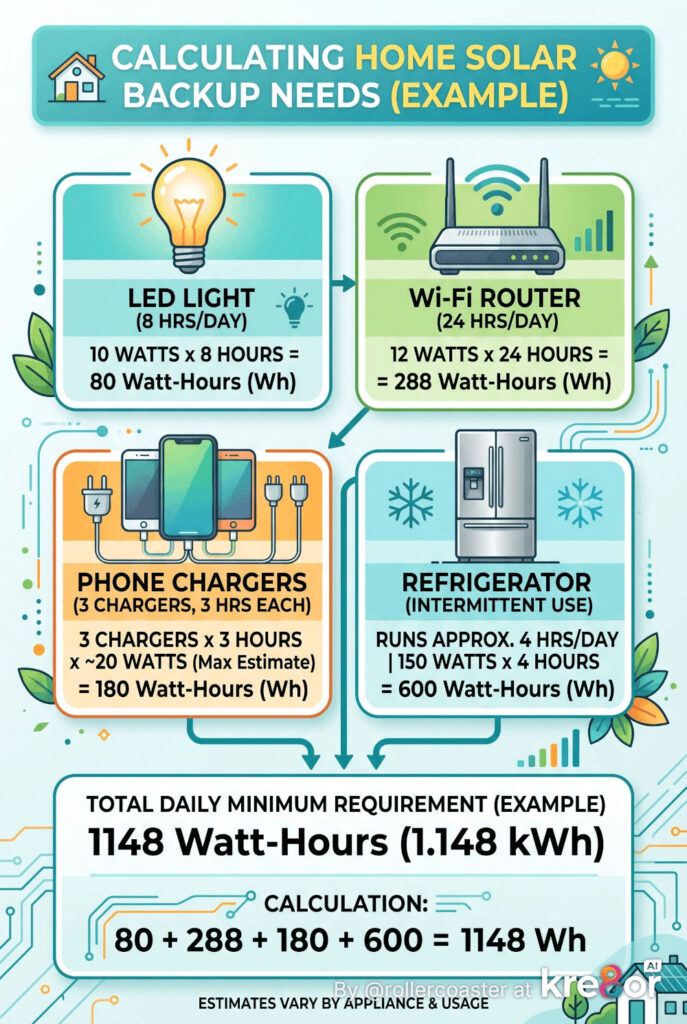
One useful way to gauge your electricity need is by checking the watts and hours of use per day for each appliance. This calculation will help you estimate your daily power consumption in kilowatt-hours. For a more straightforward approach, there are online tools and energy calculators that can simplify this task.
Lifestyle habits also play a part. Are you aiming for minimalist living, or do you occasionally need to power tools? Weekend retreats might use less power compared to full-time living. Clear understanding leads to informed decisions on the size and type of solar setup that will support your way of life without compromise.
Solar Panel Installation Options and Best Practices
Installing solar panels isn’t just about slapping a few on the roof. It’s a bit of an art and a science. The right choice of panels and their placement can significantly boost your energy efficiency, giving you more bang for your buck.
First up, you want to think about the type and size of panels. Monocrystalline panels are super efficient but might be pricier. Polycrystalline options come at a lower cost but may require more space. Assess your roof’s capacity and how much sun it gets throughout the day. These factors will help in choosing the perfect panel type that’ll fit your energy needs and budget.
Placement and orientation are critical. Ideally, panels should be facing true south in the northern hemisphere and true north in the southern hemisphere. But every site is unique, and some flexibility is necessary. Being mindful of shading from trees or nearby structures is essential too – you may want to consider shade-tolerant solar panels. Even a small shadow can drastically reduce a panel’s output. With tiny homes having very limited rooftop space, you’ll likely want to allocate some land space for ground based solar panels.
DIY installation can be an exciting challenge if you’re handy, but it’s not for everyone. Safety is a priority here. Professional installers bring expertise, ensuring that everything is up to code and safely connected. They can also offer valuable insights into maximizing efficiency based on specific site conditions.
Deciding between DIY and hiring a pro depends on your comfort with tech and your budget. Whichever you choose, a well-installed solar panel setup is a tangible step towards sustainable and independent living.
Power Management: Battery Storage and Inverters
Having a solid understanding of battery storage and inverters is key to effectively managing your solar power system. Without these, you could face power shortages when the sun isn’t shining, or be unable to use the generated power efficiently.
Batteries act as your solar system’s bank, storing excess energy generated during sunny days for use when the sun goes down. Lead-acid batteries are common due to their affordability and reliability, but lithium-ion batteries are gaining popularity for their long lifespan and efficiency. They might cost more upfront but often deliver better performance long-term.
The inverter is the unsung hero of your solar setup. It converts the DC electricity generated by your panels into AC electricity, which is what most household appliances use. There are different types of inverters, each tailored for various setups, such as string inverters, microinverters, and hybrid inverters are some options.
Keeping track of energy usage is also crucial. Smart meters and energy management systems can provide real-time data, helping you understand and optimize your consumption. By pairing the right battery with a responsive inverter and energy management system, you enhance not only performance but also the lifespan of your entire solar setup.
Good power management transforms intermittent solar output into a reliable energy supply, supporting a seamless, off-grid living experience.
Additional Considerations and Long-Term Benefits
Before jumping into solar power for a tiny home or cabin, evaluating costs and planning financially is essential. Initial investments can be significant, covering solar panels, batteries, inverters, and installation costs. However, once installed, the ongoing savings on electricity bills and minimal maintenance requirements can make the upfront investment worthwhile over time.
See also:
- Avoid These Top 10 Mistakes During Solar Panel Installation
- Solar Panel Efficiency Tips – Make Every Drop Of Sun Count!
- DIY Solar Installation: When It’s A Good Idea And When To Call A Pro
The environmental benefits are compelling. Solar energy reduces reliance on fossil fuels, cutting down greenhouse gas emissions significantly. This not only benefits the planet but also enhances the living experience, knowing your home is powered by clean, renewable energy.
Some common concerns around solar power include weather dependency and system longevity. Advances in technology have reduced these issues considerably. Battery storage keeps you going through the night and cloudy days. Modern solar panels and batteries are built to last, offering reliable service year-round.
Let’s ditch any misconceptions that solar setups are high-maintenance and complex. In reality, with proper planning and installation, solar systems require minimal upkeep. Today, DIY solar has become easier than ever – more so for a tiny home. Basically keeping the panels clean and monitoring your batteries and system performance.
- Next step: Check out: Best Solar Panel Kits For Tiny Homes
Running that tiny home or cabin independently from the grid can be incredibly liberating. With the right approach, solar power not only meets immediate energy needs but also promotes sustainable living for years to come.

Really enjoyed this comprehensive breakdown, Oren. You strike a great balance between inspiration and practical guidance, which is exactly what tiny home and cabin owners need when considering solar. The emphasis on assessing real energy usage before buying equipment is especially valuable, so many people oversize or undersize systems without that step.
I also appreciated the discussion around panel placement and the reality of limited roof space. Highlighting ground-mounted options and shading challenges makes the advice feel grounded and honest. The sections on batteries and inverters were clear without being overwhelming, which is refreshing for readers new to off-grid power.
Beyond the technical side, I like how you frame solar as a lifestyle choice, not just a utility upgrade. Energy independence, lower long-term costs, and environmental impact are powerful motivators. This post does an job demystifying solar and making off-grid living feel achievable.
Hi Andrejs, thanks for the kudos and good words!
I enjoy spreading the word and, in a sense, being a solar electric power “evangelist”. The more use we make now of renewable energy, the better things will be in the long run for us all. Tiny homes and cabins are another great example of where renewable energy like solar electricity can be put to use very efficiently.
Cheers and Happy Holidays!