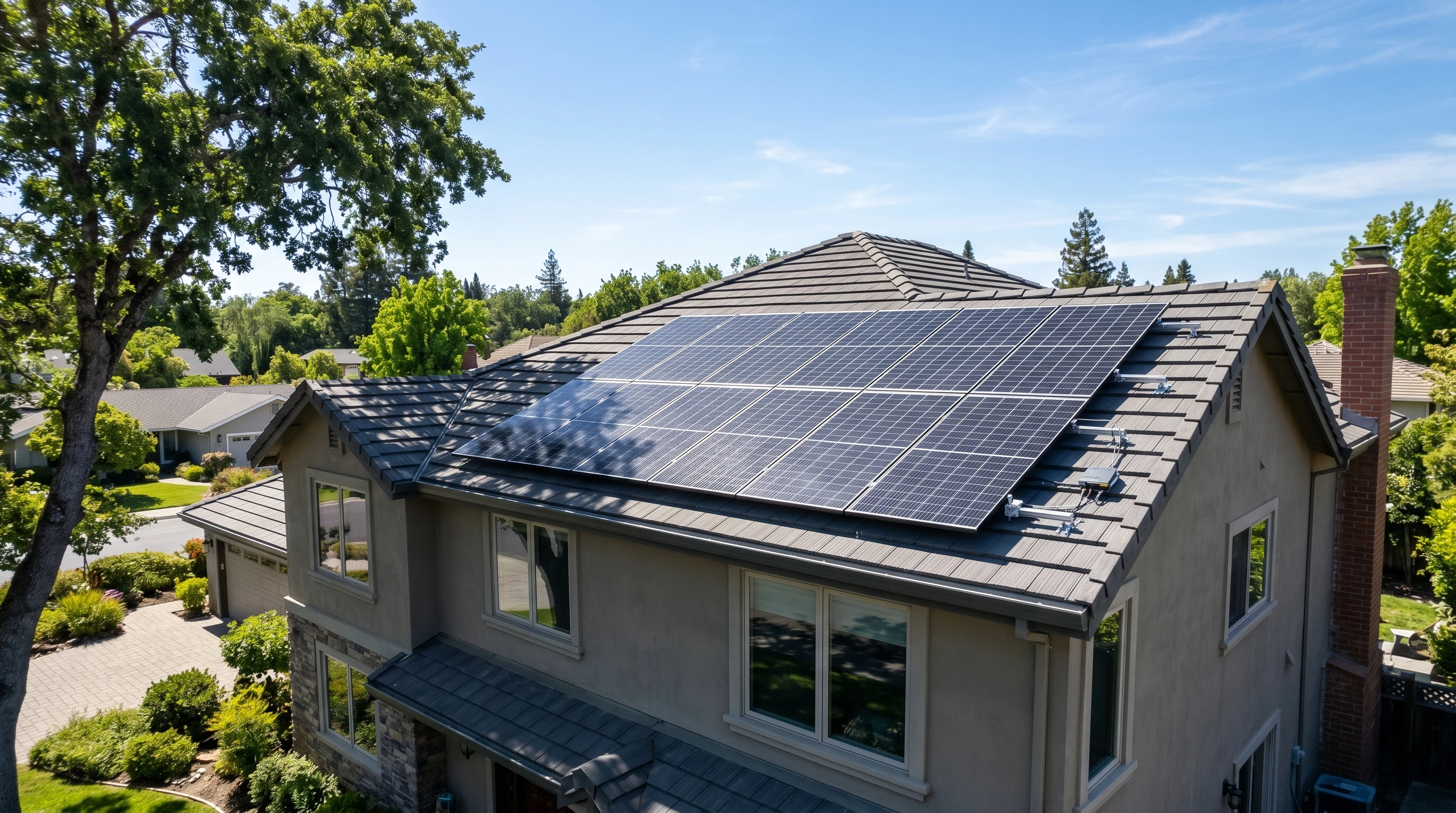
Shading is a real challenge for anyone using solar panels. Even a small amount of shade from a tree, a chimney, or a cloud can noticeably drop the amount of energy a solar system produces. I’ve found that anti-shading solar panels, sometimes called shade-tolerant panels, offer a practical solution by reducing the energy loss caused by partial shade. I want to explain how these panels work, why they matter, and what makes them different from traditional panels. That way, you can figure out if they’re a good fit for your solar project or if sticking with conventional panels makes more sense for your setup.
What Are Anti-shading Solar Panels?
Anti-shading solar panels are built to keep generating power even when part of the panel is shaded. Normally, when shade falls over one section of a traditional solar panel, the power output drops sharply, sometimes across the whole system. Anti-shading panels include technology that helps reduce these losses. This means I can rely on them to keep producing electricity even if something causes temporary or partial shadows on my roof or installation site, which can happen more often than you think.
The core of anti-shading technology lies in bypass diodes or power optimizers. These additions make the panels “smart” enough to work around shaded cells, so the rest of the panel and system can keep providing energy. As a result, you’re a lot less likely to see your entire array’s output plummet just because of one bit of shade.
The Problem with Shade on Solar Panels
If you’ve ever checked the energy output of your panels on a partly cloudy day, you might’ve seen how even a branch or a bird’s shadow can cut your system’s power. That drop happens because regular panels connect solar cells in a series. If one cell is shaded, it slows down the flow for everyone, much like a kink in a garden hose stops the water. The rest of the cells can’t send as much power through, even when the rest of the panel is sunny and in full daylight.
This gets even more important when roofs are surrounded by trees or tall buildings, or when the sun’s angle changes throughout the day. For many homes, total shade can’t always be avoided. Over time, those small losses can add up and noticeably affect your energy savings, sometimes affecting your return on investment in solar power more than you might expect.
How Do Anti-Shading Solar Panels Work?
I’ve seen that anti-shading solar panels use two main ideas to handle shade: bypass diodes and module-level optimization.
- Bypass Diodes: These simple devices let energy “skip over” shaded cells, so the current can keep flowing through the cells that are not obscured. Most quality panels include some diodes, but anti-shading panels often boost their performance by adding more or placing them carefully. This allows them to “route around” the trouble spots and keep things moving.
- Power Optimizers and Micro-inverters: Some anti-shading panels employ special electronics at each panel. These power optimization/management systems or micro-inverters manage the electricity from each panel individually. If one is shaded, the system compensates by drawing additional power from the others. This setup lowers the effect of any single shady spot on the total output, letting your system keep running strong.
When solar panels use these features, I find that partial shade doesn’t ruin the whole string of panels. The system keeps working and producing usable energy, providing more stable output even during times when shade moves across the roof. For anyone hoping for more reliable solar performance, these features make a real difference.
Anti-shading vs. Conventional Solar Panels
The main difference comes down to how each panel deals with obstacles and shade. Conventional solar panels are wired in long rows, or strings. If one part of one panel is shaded, the power produced by all the panels in that row drops. It doesn’t matter if 90% of the system is in full sun, the output is dragged down by the weakest part.
With anti-shading panels, features like extra bypass diodes or module-level devices make sure shaded areas have less impact on the system. This means if a branch shades one panel, the rest of your system is basically unaffected and keeps running at normal levels. You get more predictable performance, especially if your roof has a mix of sun and shade throughout the day and across different seasons.
This difference also affects design and installation. With anti-shading panels, I find there’s more flexibility in where panels can go. Installers don’t have to worry as much about occasional shadows from vents, chimneys, or nearby trees, so you get more options for layout. That flexibility can really add up for roofs packed with obstacles or with nonstandard shapes—areas where conventional panels would lose out.
Are Anti-shading Solar Panels Worth It?
If your roof or install site gets occasional or patchy shade, anti shading panels can be really important for getting the most out of your solar investment. The boost is easiest to see on homes that have skylights, roof obstacles, or are close to trees or buildings. Even a single panel in shade can pull down your whole system’s output if you use conventional panels, and you might not realize how much money is left on the table each year because of small, regular losses or that afternoon shadow you barely notice during the summer.
I’ve found that anti shading panels do cost a bit more upfront due to extra hardware or electronics, but the increase in energy production over time can make up for the difference. Lower maintenance needs and fewer performance surprises are other big positives. If your roof gets morning, afternoon, or seasonal shade, or if you just want the most reliable performance in changing conditions, anti shading panels are worth considering. Greater energy savings, more stable output, and fewer headaches with troubleshooting come built in.
For homes or sites with clear, open roofs and no chance of shade, standard panels will still work well and can save you money. Careful site assessment is really important to choose the right type for your property, whether you’re planning for today or future-proofing for changes in your landscape.
How Much Shade Can Anti-Shading Solar Panels Handle?
Anti-shading panels are designed for partial and temporary shading. If a tree or object blocks a corner or a third of a panel for a couple hours, these panels can still deliver up to 80–90% of their possible output, depending on the design. If you have micro-inverters or optimization systems, shading on one panel impacts only that panel, not the whole array—giving a real edge for roofs with patchy light.
I wouldn’t expect full performance if a roof sits in deep shade all day. For situations where only small sections experience regular shadow, these panels really help. I’ve seen published studies from groups like the National Renewable Energy Laboratory (NREL) showing that systems with module-level power electronics perform notably better under shading than string inverters with conventional panels (see NREL shading mitigation study).
Manufacturers often provide data on how their panels perform in shade, but these are usually based on lab tests. Power optimization systems and standard bypass diode layouts will let one panel lose just a portion of its output due to shade, instead of pulling down the whole system. Actual results depend on how long and how much of the panel is shaded, but these systems are designed to adapt much better than standard options, which is a big step forward for solar in tricky spots.
Things to Think About Before Choosing Anti-Shading Panels
I suggest that homeowners and solar buyers keep these factors in mind when thinking about anti-shading panels:
- Shade Maps and Site Assessment: Watching your roof at different times and seasons shows where and when shade hits. Even small bits of morning or afternoon shade could make a noticeable difference on your energy bill.
- Cost and Budget: Expect some extra cost for anti-shading features. Balance this against the gains in energy and reliability over the years—sometimes the added savings are worth the initial higher price tag.
- Maintenance and Monitoring: Systems with optimizers or micro-inverters usually offer better realtime monitoring. Spotting faults or performance drops gets easier, so repairs might take less time, leaving you with fewer headaches over the panel’s lifespan.
- System Size and Layout: For odd shaped roofs or installations split across different sections, anti-shading panels help make use of tricky spaces that standard panels would struggle with, giving you more coverage and flexibility.
I always recommend working with an installer who can map out the shade at your location and explain how different panel choices will affect your likely returns. You might find that anti shading panels are the only way to make solar work for you, or you may decide the extra investment isn’t needed if your site is already close to ideal.
Common Questions About Anti Shading Solar Panels
Question: Can anti-shading panels completely eliminate power loss from shade?
Answer: They can’t make all power losses go away, but they do a lot to reduce the drop, especially for partial and shifting shade. Full, heavy shade will still limit panel output.
Question: Are anti-shading panels compatible with all types of inverters?
Answer: Most can be paired with standard inverters, but some work best with power optimizers/managers or micro-inverters for maximum effect. Your installer should help match equipment for the best outcome.
Question: Can I upgrade an existing system to add anti-shading features?
Answer: If you already have panels, adding optimizers or upgrading to localized micro-inverters can boost performance, but swapping out old panels for new anti-shading types could cost more. It’s best to weigh the returns based on your current setup.
Question: How long do anti-shading panels last?
Answer: With good care, their life expectancy is similar to regular panels, usually 25 years or more. The related electronics, like power/battery management systems or inverters, tend to have shorter warranties, so check details with your provider.
Practical Applications of Anti-shading Panels
I’ve seen anti shading solar panels deliver real results for people with tricky roofs or in city settings where light is patchy. For example, a neighbor added these panels under a maple tree on the south corner of their home and saw their annual output go up dramatically after switching from basic panels. Businesses with rooftop vents, skylights, or different roof levels often use these panels because every bit of shade can add up to lost savings. Apartment buildings and homes in dense neighborhoods with tall buildings or awkward layouts often get the best results from anti shading technology.
- Homes with nearby trees: Anti-shading panels help maintain steady output even as daily and seasonal shadows move across the roof. This steadiness can be a game changer for homes in wooded areas or with gardens.
- Urban buildings: Tall structures or neighboring roofs can make shading unpredictable, but these panels ensure your results stay steadier and your investment goes further.
- Complex roof layouts: For homes with lots of dormers, chimneys, or odd angles, anti-shading features help maximize sun exposure where it counts, making sure you don’t waste valuable roof space.
These examples remind me why careful research and planning help buyers make solid decisions about which type of solar panel pays off the most in their unique situation. If shade is a challenge, stepping up to anti-shading panels could help you lock in the savings and reliability you’re after for many years to come.
Shop For Anti-Shading Solar Panels
Here’s a little transparency: Our website contains affiliate links. This means if you click and make a purchase, we may receive a small commission. Don’t worry, there’s no extra cost to you. It’s a simple way you can support our mission to help you go Solar Electric Now!
Your comments, thoughts and questions are welcome below!