
Home battery storage stands out as a smart upgrade for anyone relying on solar panels. With the right battery, I store solar energy, use it when the sun isn’t shining, and pull more value from my solar setup. But let’s be honest: sorting through all the battery choices can feel overwhelming, since it seems every year brings new brands and technologies. I’ve learned some lessons on how to make sense of these options, and I’ll share my own approach for picking out the best home battery storage for solar panels.
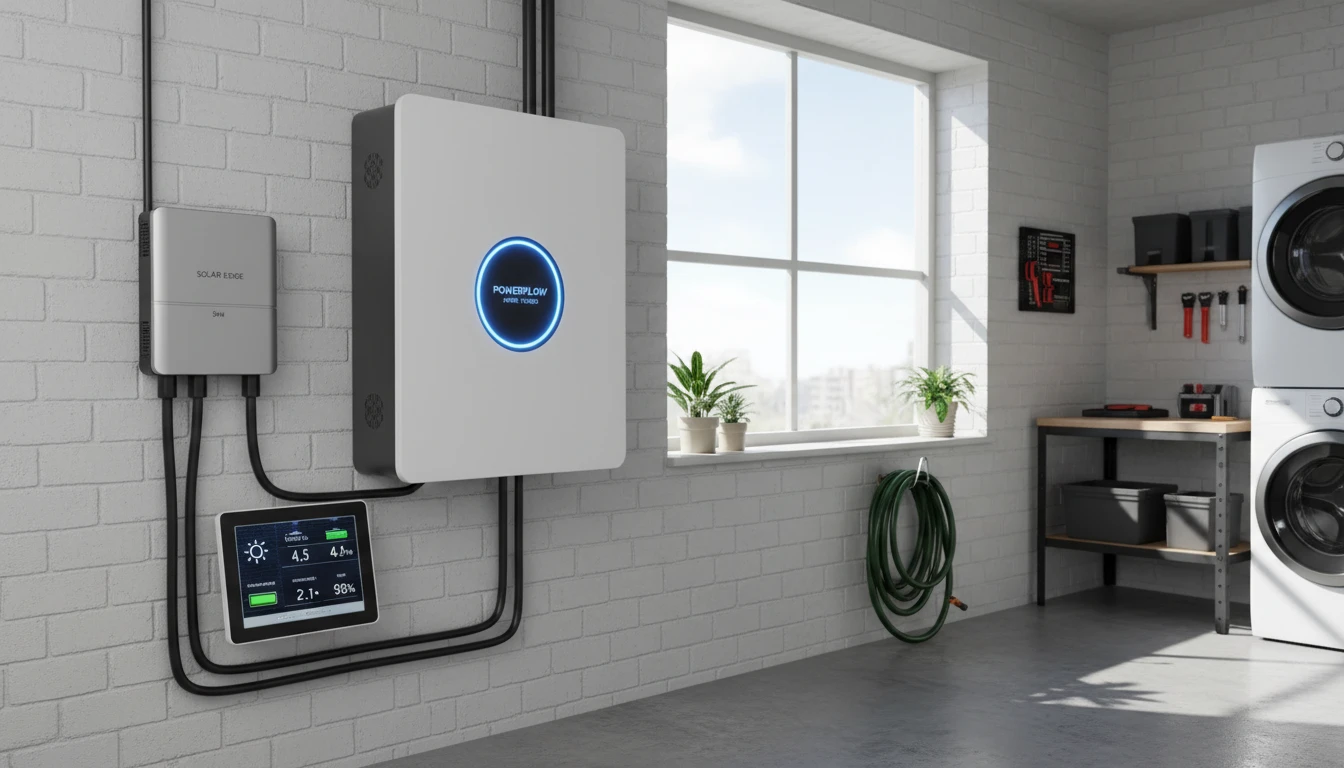
Understanding Home Battery Storage for Solar Panels
Batteries let me store solar power during the day so I can use that energy in the evening or when the grid goes down. It’s a big step towards making my home less reliant on the electric company and being a bit more shielded from blackouts or high utility rates. The home battery market has exploded fast, with technologies like lithium-ion and LiFePO4 batteries now leading the way because they last longer, charge up quickly, and stand up over time.
Using solar battery storage means I don’t have to send extra power back to the grid for a small credit. I can use the energy myself, exactly when it’s most useful or valuable. As more folks team up batteries with solar panels, neighborhoods see less strain on local power lines and enjoy more backup power during unexpected outages.
How Home Battery Storage Works With Solar Panels
Solar panels are hard at work producing electricity during the day. Without a battery, any extra electricity flows straight to the grid, usually through net metering from the utility. When the sun sets, I draw energy back from the grid—unless I’ve got storage on hand. With a battery, day-time extra solar power is captured and saved for moments when my panels can’t keep up with my needs.
The whole dance is usually automatic. An inverter manages the power flow and makes the calls about producing, storing, and using energy. Most modern systems keep me in the loop through an app or monitor, so I’m always aware of how much energy I’m storing and using.
What Is the Best Battery Storage for Home Solar Panels?
The best home battery storage for solar panels depends on performance, price, safety, and company support. Lithium batteries are hands-down the top choice for most homeowners: longer lifespans, compact sizes, and next to no maintenance. Popular picks like the Tesla Powerwall, LG Chem RESU, and Enphase IQ Battery are well suited for residential solar and come from brands with a reputation for strong support.
What’s “best” will really depend on my specific needs. Some homeowners want a big battery that can back up the whole home; others just want to keep the essentials, like lights and the fridge, up and running during an outage. Matching battery size, chemistry, and brand to my budget and goals is the key move.
Should I Use Several Small Batteries or One Large Battery?
Picking between several small batteries and one large battery comes down to my home’s size, goals, and future plans. A single big battery often means lower upfront costs and simpler management. It also means there are fewer possible points of failure. Larger batteries store more energy in a single device, which helps a bunch if I want to back up my whole home.
Still, a few smaller batteries might win out in some scenarios. If I expect my energy needs to grow, adding additional batteries over time lets me expand gradually. Should one battery ever fail, the rest keep providing backup power. And, depending on my home’s setup and cash flow, adding batteries in phases sometimes makes sense.
For most, one big battery is simplest. But modular setups score points for flexibility and redundancy. I find it pays to check with an installer about which route will be easiest and least costly for my home’s blueprint.
The 20% Rule for Solar Panels Explained
The 20% rule is an easy shortcut used to size up solar panel and battery combos. Basically, my battery storage should have enough capacity to store about 20% of my solar panels’ daily average output. This helps keep things from going to waste if the battery tops off too early in the day. Plus, it ensures I’ve got a realistic stash of power for use after dark, but I’m not overpaying for battery capacity I often don’t use.
To make the 20% rule work for me, I run a quick calculation: total average daily solar generation in kiloWatt-hours (kWh), then pick a battery that can store roughly one fifth of that number. So if my panels make 30 kWh a day, a 6 kWh battery makes a solid starting point. Adjustments come in based on real-life household needs, my budget, and local climate patterns.
How to Choose the Optimal kiloWatt-Hours (kWh) of Storage for My Home
Picking the right battery size is all about matching my energy use, backup needs, and storage goals. Here’s the process I follow:
- Review My Energy Bills: I look back at recent utility bills for daily use numbers and spot when I burn through the most power.
- Decide My Backup Priorities: I work out whether I want to cover the whole house, just the basics like lights and a fridge, or only specific outlets during outages.
- Check My Solar Output: I review my system’s average daily and seasonal generation. In cloudy climates or winter, more storage is handy for longer nights.
- Think About Grid Status: Frequent utility outages or high “peak” rates make bigger batteries even more valuable.
- Ask an Expert: Pros can check my data, toss out the right recommendations, and help keep me from overspending.
Most homes wind up with between 5 and 15 kWh of battery storage. More capacity equals longer backup during blackouts, but costs rise. Smaller batteries cost less and work great for quick outages or small solar arrays.
After testing both my own system and helping friends sort theirs out, I always keep a quick checklist handy when reviewing battery choices. Here are the features I put at the top of my list:
Features to Look For in Home Battery Storage
- Usable Capacity: I always double-check the real kWh I can pull out safely, not just the top-line storage number in a brochure.
- Battery Chemistry: Lithium iron phosphate (aka: LFP or LiFePO4) batteries level up safety and last even longer compared to standard lithium-ion options.
- Depth of Discharge (DoD): A higher DoD means I can use more of my battery with less worry about its longevity.
- Roundtrip Efficiency: The best batteries store and release power while wasting as little as possible. I look for above 90% efficiency.
- Warranty and Support: I aim for a 10-year warranty, plus strong local installer or manufacturer backing.
Matching these features to what matters most to me gives confidence my system will deliver what my household needs for many years.
Common Challenges and How to Handle Them
No solution is perfect, and I’ve run into a few typical hurdles worth knowing about before installation day:
- Upfront Cost: Batteries are a big-ticket item, often running several thousand dollars. I take time to check state and federal incentives, like the Investment Tax Credit (ITC), to shrink the sticker shock.
- Home Space: Battery units need dry, ventilated areas, and some elbow room for the battery and electrical gear. I scope out my space early to avoid last-minute headaches—heat and flooding can ruin batteries in a flash.
- Electrical Upgrades: Now and then, my house might need an electrical panel upgrade to handle new power flows. It’s best to budget for these extras in advance.
- Maintenance: While lithium batteries are mostly hands-off, I still slot in an annual checkup to keep connections and software dialed in. Read more on Maintenance!
Advanced Tips to Get More From Your Battery
After getting my battery running, I use a few smart habits to pull even more value from my setup:
Monitor Energy Patterns: I keep tabs on my energy use with my solar or utility app. Tracking usage helps me tweak habits and use stored solar energy during high-rate times at night, saving me cash.
Plan For the Future: I look ahead for changes in my family’s needs. Adding an electric vehicle or running heating and cooling more often makes it worth planning for a bigger battery down the road.
Stay Informed: Battery software sometimes gets sweet new features over time—maybe new backup functions or smarter interaction with the grid. I make sure my installer enables updates so I catch every new trick.
Real World Battery Storage Scenarios
Throughout my time researching and helping others, I’ve seen how battery systems fit all sorts of lifestyles. For example, my neighbor uses a simple 5 kWh battery just for their fridge and lights during blackouts, avoiding spoiled food. Meanwhile, a friend in a Time-of-use (TOU) utility area stores solar power in the morning, using it at night to dodge high-rate charges and recoup their battery investment faster.
- Small Homes: 5–7 kWh batteries easily cover basic backup and savings for smaller households.
- Large Homes or Heavy Loads: 10–20 kWh can run a whole home for hours, supporting things like HVAC and plenty of appliances.
- Modular Needs: Starting small and adding as I go works if my budget’s tight or if I want to hedge bets for future tech improvements.
Frequently Asked Questions
What is the best home battery storage for solar panels?
Most homeowners stick to lithium batteries backed by solid support and strong warranties. Tesla Powerwall, LG Chem RESU, and Enphase IQ Battery are all safe bets and fit nearly any solar setup. I always check reviews and see what local installers and other homeowners are saying.
Is it better to use several small batteries or one large battery?
A single large battery makes for a faster, cheaper install. However, several smaller batteries give me more flexibility to expand and offer the benefit of redundancy. My decision comes down to whether I want an easy one-and-done installation or flexibility for future changes.
What is the 20% rule for solar panels?
This rule suggests battery storage capacity should be about 20% of my average daily solar production. It’s a quick way to balance the system and avoid ending up with an oversized or undersized battery for my true needs.
How do I choose the optimal kiloWatt-hours for my home?
I look over my daily energy use, weight the amount of backup I want, compare it to my solar output, and strike a balance with my budget. Checking with a reputable installer helps lock in the exact system size.