Portable solar power is providing hikers with a way to access renewable energy on the trail. Hiking today often includes electronic devices like a GPS, flash lights, fitness tracker, satellite phone, etc. A lightweight, portable solar power bank and folding solar panel can come in handy.
In this article, we cover some points on why portable solar power systems are an excellent option for adventurers and how to choose the right equipment for your outdoor needs.
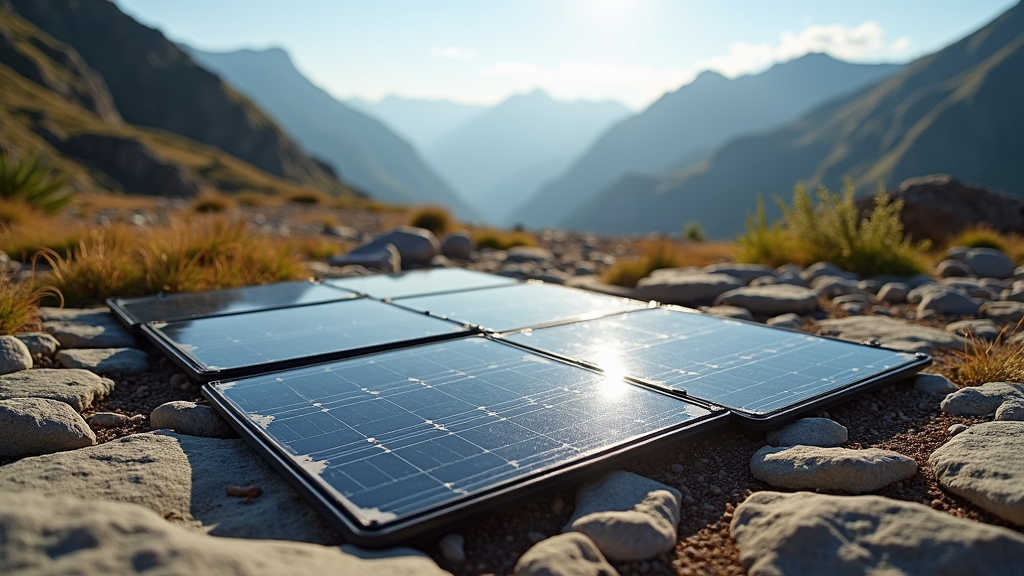
Portable Solar Power: A Hiker’s New Essential
Portable solar panels have become a new essential for hikers. They enable you to charge important devices like smartphones, GPS units, and LED lights while on the move. Many outdoor enthusiasts appreciate having a renewable power source that matches the spirit of adventure. With the right portable solar solution, you can remain connected without the need to carry bulky batteries.
This technology not only lightens your load but also gives you a reliable and sustainable energy option during long treks. Modern panels are designed to be flexible and rugged so that they fit seamlessly into a hiker’s lifestyle. While there is an initial cost and a need for careful selection, many consider these systems a smart, long-term investment that offers freedom far from conventional power outlets.
Advantages of Portable Solar Energy on the Trail
Using portable solar panels while hiking offers several practical benefits. First, solar energy is renewable and available as long as there’s sunlight. In open areas, you can quickly recharge your devices without having to search for an outlet. This makes it particularly useful when you are off-grid or on a remote adventure.
In addition, these panels are built to be durable and resistant to outdoor elements. Their rugged construction means that even rainy or dusty conditions will not stop them from producing energy. Their lightweight design ensures that an extra power source won’t overburden you, letting you focus on enjoying the trail.
Key Components of a Portable Solar Energy Setup
Before purchasing a portable solar system, it helps to understand the main components that make up a complete setup. Being familiar with these parts lets you make informed decisions based on your personal energy needs and hiking style.
- Solar Panel(s): The heart of the system, engineered to be flexible and durable while absorbing sunlight efficiently.
- Power Bank: This stores the energy collected by the panel, allowing you to charge devices even when the sun isn’t shining. For example the Goal Zero Yeti 300.
- Charge Controller: This regulates/monitors the system, preventing the battery or power bank from overcharging and ensuring safety. These are built into most all-in-one power banks. Many allow you to monitor your system over Bluetooth from your smartphone.
- Cables and Adapters: What you need to connect your solar panel, power bank and devices together.
Each component plays a critical role in ensuring your portable solar setup is efficient and reliable during your journeys.
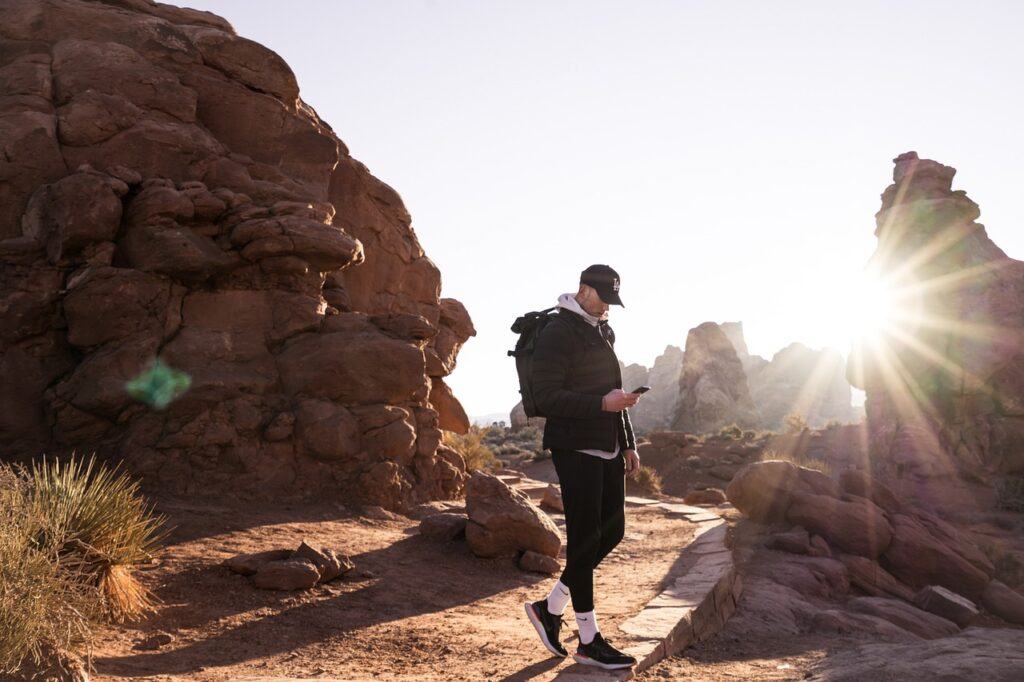
Getting Started With Portable Solar on the Trail
If you’re new to portable solar power, the first step is to assess your energy needs. Determine which devices you want to keep charged while hiking, including smartphones, cameras, or even small cooking devices and LED lights. Once you have a list, you can begin planning a system that fits your requirements.
- Identify Your Energy Needs: List the devices you plan to use and calculate the total energy capacity required to keep them charged.
- Research Lightweight Options: Search for solar panels and power banks built specifically for outdoor use. Many products stress portability and rugged durability.
- Test the System at Home: Before taking your setup on a long trek, try it out during a short camping trip. Testing in controlled conditions lets you see how well it functions and reveals any limitations.
- Learn Basic Maintenance: Maintaining your solar equipment with occasional cleaning and inspections will keep it running smoothly in harsh conditions. Batteries especially.
Following these steps will help you smoothly transition to using solar energy on your adventures, giving you more confidence when you’re out in nature.
Important Considerations Before Choosing Your Gear
Although portable solar panels are designed with hikers in mind, there are a few practical concerns to consider. One major factor is the balance between weight and energy capacity. You need to select a system that provides enough power without being too heavy for a long trek.
Battery life and efficiency are also very important. Many portable systems are equipped with advanced LiFePO4 batteries capable of multiple charging cycles, but performance can differ widely between models. Look over reviews and technical details to gain an idea of what’s best for you.
Weather conditions play a significant role in the effectiveness of solar panels. Overcast skies or shaded trails can reduce energy output. Always have a backup power option and be aware of your gear’s limitations so that you can plan for varying conditions on your trip.
Managing Weight
When selecting your gear, it is really important to focus on lightweight solutions. Flexible thin-film solar panels, for example, are designed to roll up easily and take up minimal space. This design innovation is very important for hikers who need to keep their backpacks light and mobile.
Understanding Battery Performance
The capacity of your power bank determines how many devices you can charge and how frequently you’ll have to do so. Even if there are many affordable options on the market, finding one that pairs well with your solar panel and meets your energy needs is essential. Look out for key specifications such as Ah (Amp-hours) or kWh (kiloWatt-hours) ratings and instantaneous output wattage to help make your decision.
Weather and Durability Factors
Outdoor weather can be unpredictable, which is why durability is a critical factor when selecting solar gear. Water resistance and shockproof features can make a significant difference on the trail, ensuring that your solar system continues to function even in adverse conditions. Look at the IPxx (Ingress Protection) rating of your equipment.
Tips for Maximizing Your Solar Efficiency
Once you have your portable solar setup and feel comfortable with how it works, you can adopt some strategies to get the most out of your investment. Adjusting the angle of your panel toward the sun is one simple yet effective way to boost energy capture—especially during early morning or late afternoon hours.
Be sure to keep the solar panels clean. Dust from the trail, smudges from handling, or a wayward glop of campfire food can lower efficiency. Keep a cloth handy to wipe ’em down now and then. I find a chamois car cleaning cloth works good. Paper towels can be abrasive.
Prioritize what items you really need to use, or keep charged, and use any power-saving settings if you can. This can maximize the energy you gather during your hike.
Building Your Portable Solar Kit
A good portable solar setup includes the right combination of panels, power banks, and accessories. Modular/interchangeable options that you can mix and match for specific trips are nice. These are usually lightweight, foldable solar panels that pack easily into a backpack, rugged power banks with high capacity, and various cables/adapters.
- Foldable Panels: These are highly efficient and designed to occupy minimal space, making them a perfect match for those who are always on the move.
- High-Capacity Power Banks: With fast-charging capabilities and multiple ports, these power banks let you charge several devices throughout the day.
- Cables and Connectors: Durable, weather-proof cables ensure reliable power transfer between your solar panel and the battery or devices.
Making sure everything works together helps make sure you’re covered during extended trips in remote areas.
Frequently Asked Questions
This section addresses some common questions about portable solar power for hikers.
Question: Are small portable solar panels worth it?
Answer: Yes, they are very useful for charging small devices quickly during short hikes. Although they might not power heavy appliances, they serve as an excellent backup to ensure that your essential gear remains charged.
Question: What is the best portable solar panel for camping?
Answer: Many experts recommend foldable and high-efficiency panels, which are built to be durable and lightweight. It is wise to compare your needs against product reviews and technical specifications before making a decision.
Question: Can a portable solar panel run multiple devices?
Answer: A single portable solar panel is usually sufficient to run small devices such as smartphones, tablets, and LED lights. However, if you have several energy-intensive devices, you might need additional panels and a larger power bank to support a steady output. Decide what devices you absolutely need for your trek.
Wrapping It Up
Portable solar power offers added freedom for hikers who refuse to compromise on connectivity and safety. These systems let you explore the great outdoors while keeping some electronic essentials charged and ready for use. The key is finding the right balance between cost, durability, versatility, weight, and performance.
By using renewable energy, you ensure that your communication tools, navigation equipment, and emergency devices remain powered without the burden of carrying extra battery packs or throwaway batteries.
Every hiking adventure is unique, and what works for one trip might require adjustments for the next. Regularly testing and fine-tuning your gear helps in building a reliable system that performs well even in challenging conditions. With portable solar technology continuously improving, the options available today offer better efficiency and convenience than ever before.
While you’re at it, check out:
Take the time to explore the variety of products on the market and read reviews from fellow outdoor enthusiasts. Once you find a setup that delivers consistent performance and meets your energy needs, you will understand why many hikers now swear by solar power. Enjoy the independence that comes from tapping into an eco-friendly energy source, and let the sun power your adventures for many years to come.

Wow, what a great idea! I had no idea that one could even get portable solar power, but I guess it is totally possible. They have solar lights for gardens now, so why not something that can fit in your pocket? This would be great to have if you are an avid explorer, as batteries can go flat without notice, and then at least you still have the power of the sun to use.
I wonder how long it would take to charge one of these devices, as it would need to be quite small, and I was always under the impression that you needed a large surface if using solar power.
Hi Michel,
Yes indeed! There are many compact, portable, lightweight solar power options available nowadays! These, even the smallest of them, can charge a smartphone fairly fast on a bright sunny day. Battery power packs that store more power tend to take some time, but can charge quickly too with the larger fold-out type solar panels that stow neatly in a backpack or suitcase.
Thanks for dropping by – happy trails!
Portable solar power is a game-changer for hikers who need reliable energy without extra weight. I’ve used small solar chargers on multi-day hikes, and while they’re convenient, cloudy days can make charging slow. Do you think advancements in solar panel efficiency will eventually make them more reliable in low-light conditions? Also, are there any specific brands or models you’d recommend for ultralight backpacking?
Hi Jacob, thanks for chiming in!
While solar cell technology is becoming more efficient in low-light conditions, generally the more solar panel surface area you have, the more energy you’ll produce with a given amount of light.
Some of the newer foldout panels, Goal Zero and others, may be a best bet.
Cheers, and Happy Trails!