
Getting the most out of solar panels really does come down to a few daily habits and smart choices. I started my solar adventure not really knowing how much small tweaks could boost efficiency. Over time, I found out that a little attention goes a long way. In this article, I’m sharing practical solar panel efficiency tips that will help you make every drop of sunlight count, whether you already have panels installed or you’re still thinking about taking the leap.
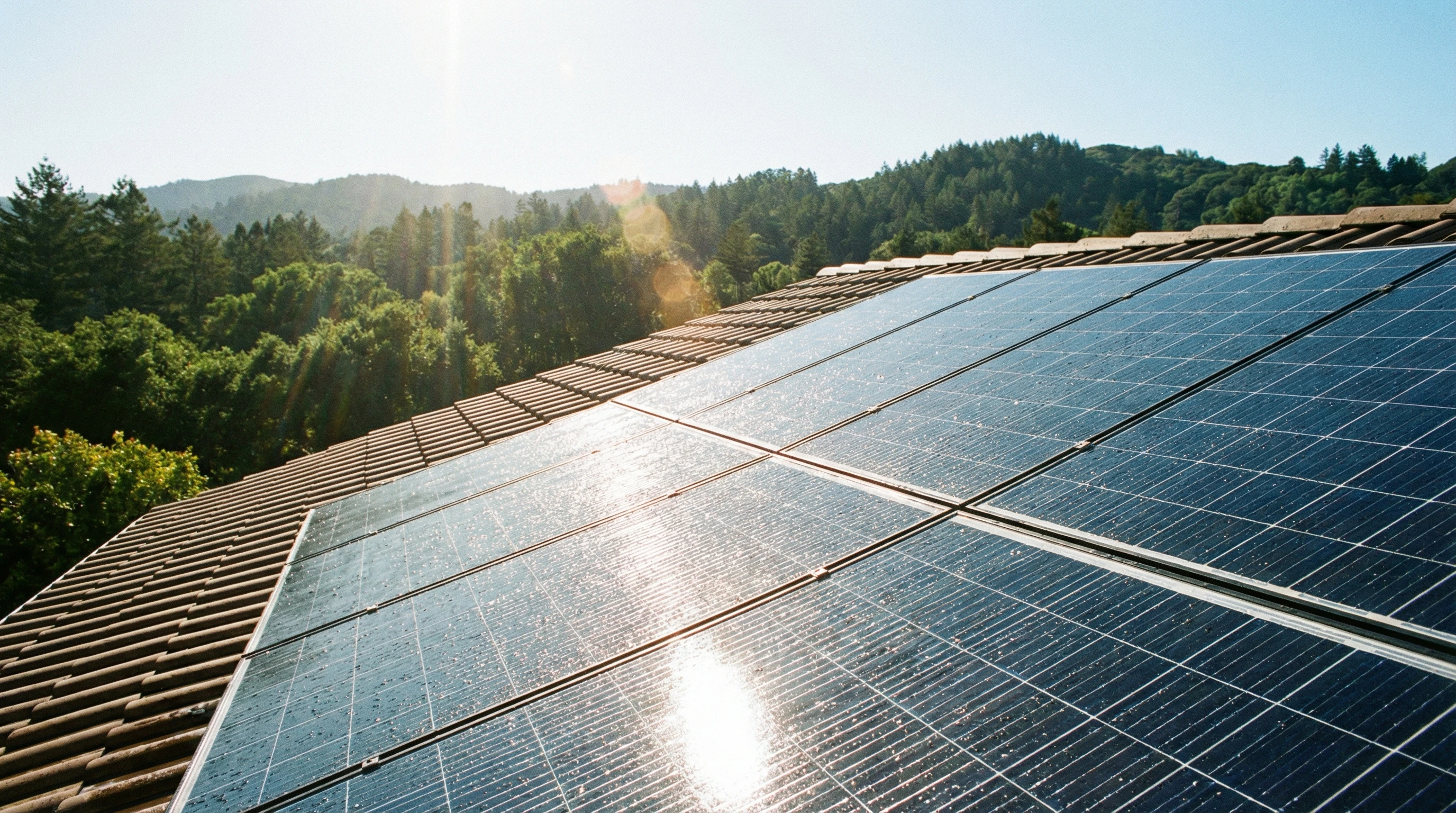
Understanding Solar Panel Efficiency
Solar panel efficiency matters because it tells you how well panels turn sunlight into electricity. Most panels you’ll find for homes have an efficiency rate between 15% and 22%. This number can seem low at first, but it’s a solid result given all the moving parts. Many things, from the angle of your roof to the weather, can affect how much power your solar system produces.
Solar power is now a huge player in the ongoing push for clean energy, with the U.S. Energy Information Administration reporting steady growth in residential solar installations. As more homes add panels, even small gains in efficiency can lead to bigger savings across entire neighborhoods. Knowing the basics helped me see why it makes sense to keep panels in peak shape.
How Solar Panels Work (And What Affects Their Output)
Solar panels use photovoltaic (PV) cells to turn sunlight into electricity. Each panel has many small cells made from semiconductor materials that release electrons when hit by light. The more sunlight hits the panel, the more electricity flows out.
Several things can give a boost or reduce panel efficiency. Here are some of the main ones I keep an eye on:
- Panel Orientation: The direction your panels face impacts the amount of sun they catch. In the Northern Hemisphere, south-facing usually works best.
- Angle: Tilted panels often grab more sunlight than flat ones, and the right angle can change by season.
- Shade: Even a small shadow from a nearby tree or chimney can cut energy production a lot.
- Weather and Location: Cloudy days or high humidity can lower output. Living in a sunny area usually means more efficient results.
Knowing what affects output helped me anticipate and avoid some common issues, making my solar investment more reliable.
Quick Guide to Improving Solar Panel Efficiency
Pumping up solar panel efficiency doesn’t need to be a full-time job. I learned a few steps that have a noticeable impact on my system’s daily performance:
- Keep Panels Clean: Dust, leaves, or bird droppings can block sunlight. A regular rinse or gentle wipe, especially after windy days or pollen season, works wonders.
- Trim Nearby Trees: Cutting back branches that cast shade adds hours of sunlight to your panels.
- Monitor Your System: Most solar setups come with a tracking app or monitor. Checking this regularly helped me catch drops in output early and fix issues fast.
- Keep Inverters in Good Shape: Inverters turn the DC power from panels into usable AC power. Keeping them in a dry, cool spot or servicing them as needed keeps everything running smoothly.
- Review Panel Placement: If your panels were installed years ago, a professional review might reveal ways to reposition them for better results as the environment around your home changes.
Simple routines and quick checks, like hosing off dust or looking for suspicious dips in output, help keep things running better.
Key Considerations Before Installing (Or Upgrading) Solar Panels
Looking back, I realized that my upfront choices made a big difference in how efficiently my panels work today. For anyone about to invest, here are a few areas I’d pay close attention to:
- Roof Condition: Make sure your roof will last at least as long as your panels. Handling repairs before installation saves a lot of work later.
- Roof Angle and Orientation: Buildings with roofs that face south or west and have a decent tilt tend to get better results.
- Home Energy Use: A home energy audit gives a clear picture of your usage so you can rightsize your solar system from the start.
- Potential for Expansion: Planning extra roof or yard space for more panels down the road helps increase savings if your power needs grow.
- Warranty and Support: Warranties that cover both the panels and the inverter are worth having, and local installer support means less downtime if something goes wrong.
Roof and Site Assessment
I found that not every roof is a perfect fit right away. If you’re working with a steep roof, dormers, or lots of vents, installers may suggest creative layouts or even ground mounted panels if you have space in the yard.
Choosing the Right Panels
Panels come in several types, including monocrystalline, polycrystalline, and thin-film. Monocrystalline panels are well known for their higher efficiency and eye catching look. Polycrystalline tends to be more affordable but slightly less efficient. Deciding on what matters most for your budget and goals really helps narrow down the options.
Tips for Maintaining Peak Efficiency
I learned through trial and error that regular care keeps panels performing at their best. These are the everyday habits I stick with to keep my system humming:
- Check for Dirt and Debris Monthly: Visual inspections help catch issues before they reduce power output. I check mine after storms or windy days.
- Schedule Professional Inspections: A once-a-year check by a pro can spot problems you can’t see from the ground. This includes checking for loose wires, corrosion, or any micro-cracks/crazing in the panels.
- Keep an Eye on the Inverter Display: If any warning lights pop up or the output drops suddenly, it usually means something needs fixing.
- Track System Output: Many solar setups let you review your panel output via an app. Logging in once a week gives me peace of mind and a quick heads up if an issue crops up.
Dealing with Snow and Ice
If you live in a snowy area like I do part of the year, snow piling up can block the sun. Clearing panels with a soft brush is my go to move. Avoid using hard tools that might scratch the glass. Most snow will slide off on its own if the panels are tilted.
Watching Out for Pests
Birds and squirrels love to nest under panels since it’s a warm and dry spot. A simple mesh barrier along the edge helps keep critters from causing trouble or chewing wires.
Advanced Tricks to Boost Solar Panel Efficiency
After using solar for a few years, I tried several smart tips that made a real difference:
Install a Solar Optimizer: These devices help each panel work at its top level, even if shade covers part of your roof. This is especially handy for tricky installations where shading can’t be totally avoided.
Upgrade to Higher Efficiency Panels: If your panels are 10 or more years old, new models are more efficient and often take up less space. Swapping out older panels can give your system a jump in output, especially if your household energy needs have grown.
Add Battery Storage: Pairing solar panels with a home battery lets you store extra power on sunny days and use it at night or during outages. This step isn’t necessary for everyone, but it can raise your solar savings if your utility plan uses timeofuse rates.
Monitor for Inverter Issues: Inverters usually last about 10 to 12 years. Upgrading to hybrids or newer models can slightly bump up efficiency and let you use batteries or smart home features down the road.
Small changes or add-ons after the initial installation have helped extend my system’s value and adapt to my family’s changing needs. Even investing in newer, eye catching panels has brought extra value and made our setup feel next-level cool.
Solar Panel Efficiency in Daily Life
Using solar power doesn’t stop at the panels. Energy use habits inside your home make a real difference in how effective your setup feels. I started making some everyday changes that let me use more of my own solar power:
- Running large appliances like the washer or dishwasher during sunny hours alone boosted my solar use.
- Switching to LED lights and energy efficient appliances lowered my total electricity draw, helping stretch the solar power I generated further.
- Watching energy usage in real time encouraged my family to turn off unused electronics, saving a little more each month.
Frequently Asked Questions
Some questions pop up again and again when friends ask about my solar panels. I’ve gathered a few below:
Question: How often should I clean my solar panels?
Answer: For most homes, a light cleaning every couple of months is enough. In areas with lots of dust, pollen, or bird activity, monthly cleaning might work better.
Question: Will a small bit of shade really lower my solar efficiency?
Answer: Yes, even minor shading can lower efficiency for the whole system, especially if panels are wired in a traditional series. Panel optimization can help in shady spots.
Question: Is professional maintenance needed, or can I do it all myself?
Answer: Many simple tasks, like cleaning panels or checking the inverter, are easy to do at home. For electrical or safety checks, or if you notice a steep drop in output, I always call in a professional.
Final Thoughts
Little steps and regular attention keep solar panels running well year-round. I found that simple changes like basic cleaning and checking for shade kept my panels producing at their best. Bigger upgrades, like swapping out older panels or adding battery storage, helped stretch out the value at home. Solar panel efficiency is in reach for everyone; it’s mostly about the right habits and a bit of curiosity.
Making every drop of sunlight count is easier than you might think, and it pays off fast both for your wallet and the environment.

This is a fantastic, actionable guide for solar panel owners. I really appreciate that you focused on practical, no-cost maintenance alongside explaining the science of tilt and temperature. The tips about keeping panels clean and monitoring for shading from growing trees are the kinds of simple, often-overlooked steps that truly maximize output. Framing efficiency as getting the most from your existing system, not just buying the newest tech, is smart and empowering advice. Great resource!
Hi Cian,
Thanks for your thoughts and the good words. Why spend more when you can optimize what you have, and get the most from what you’ve invested in!