
When disaster strikes and the power grid fails, solar energy emerges as a critical player in keeping essential services running. Unlike fossil fuel-based systems, solar power is independent of the conventional grid, providing a reliable energy source when it’s needed most. Hospitals, emergency shelters, and crucial community centers can continue to operate, thanks to solar panels and storage batteries that work without reliance on external power sources.
Real-world scenarios highlight the effectiveness of solar installations in emergencies. For instance, during hurricanes, solar-powered facilities have kept hospitals operational, ensuring that life-saving medical equipment remains functional. Emergency shelters equipped with solar panels provide a safe haven with functioning lights and communication tools, helping people feel secure even in dire situations.
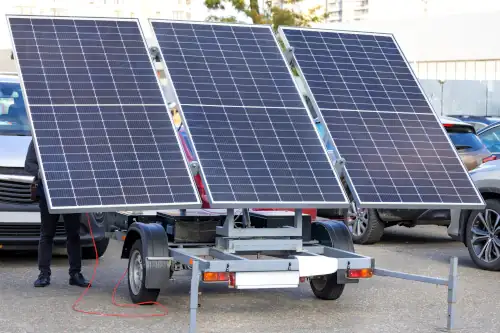
Portable solar systems play an indispensable role, especially in hard-to-reach areas. These mobile units can be quickly set up, delivering immediate relief by powering lights, phones, and essential equipment. Their ability to spring into action promptly means that even remote communities can maintain a semblance of normalcy amid chaos.
Choosing solar options also means less wait time for support. Unlike the logistical challenge of transporting fuel for generators, solar panels are ready to provide power as soon as they are deployed and exposed to sunlight. This immediacy is invaluable in an emergency, offering communities a buoyant lifeline when traditional power systems falter.
Solar Power’s Reliability and Independence in Emergencies
Solar power stands out because it doesn’t rely on fuel deliveries, unlike traditional generators. This makes it incredibly valuable when roads are blocked and supply lines are cut after a disaster. Solar systems, especially when paired with storage batteries, can deliver electricity on the spot without anyone having to worry about fuel shortages or logistics.
Take, for instance, the way solar panels have been utilized in places hit by natural disasters. These systems can power entire facilities, keeping communication centers open and emergency lines active. It’s this level of dependability that makes solar energy a go-to in crisis situations.
The speed at which solar panels and portable solar generators can be deployed is a massive advantage. They can be swiftly brought to disaster-stricken areas, providing immediate relief where it’s needed most. This rapid deployment is not just about having power; it’s about having power that’s clean, safe, and independent.
Reliability in disaster scenarios can’t be overstated. Solar installations in crucial infrastructures mean lights stay on and equipment keeps running. This is not just about comfort; it’s about survival and ensuring that critical operations, like water treatment plants or fire stations, don’t come to a standstill.
Advocating for solar solutions also involves understanding their independence from traditional fuel chains. In an emergency, being able to operate continuously without needing gas or diesel is a game-changer. This level of self-sufficiency enhances community resilience, making solar power an essential component of disaster preparedness.
Revitalizing Communities Post-Disaster Through Solar Solutions
After the immediate chaos of a disaster passes, the task of rebuilding and recovery begins. This is where solar power proves to be an indispensable ally. Providing electricity for tools and lighting not only aids in physical rebuilding but also jumpstarts a community’s comeback.
In post-disaster scenarios, temporary shelters often become more than just a roof overhead. They need to be places where families can charge phones, connect with the outside world, and access critical information. Solar panels provide this energy, making communication possible and giving people a sense of normality amid disruption.
Another advantage of solar power is its environmental friendliness during recovery operations. Diesel generators have historically been the fallback in emergencies, but they pump pollutants into the environment at a time when clean air is crucial. Solar, on the other hand, offers a clean and sustainable power solution, reducing pollution and setting a positive tone for rebuilding efforts.
Households equipped with solar systems can help lessen the demand on strained traditional grids, allowing more consistent power distribution to areas still working towards recovery. As a result, entire communities benefit from a cohesive energy network without heavy reliance on external power.
For families trying to reconstruct their lives, the ability to turn on a light, run essential appliances, or even just charge their phone can have an immense psychological impact. Solar power provides these capabilities, supporting not only the physical but emotional recovery of communities hit hard by disasters.
Building Community Resilience with Solar Technologies
When we talk about making communities stronger, solar power plays a key role. One of the best things about solar energy is how it can be spread across many buildings, from homes to schools to shelters. This distribution means that if one place loses power, the rest can keep going. It’s a huge advantage when dealing with the unpredictability of natural disasters.
Battery storage is part of why solar power can keep delivering electricity even when the sun isn’t shining. These batteries store energy so that people have power at night or during cloudy days. This continuous power supply helps ensure that critical services are never left in the dark, no matter the conditions outside.
Creating “microgrids” is another exciting development in solar technology. These small, self-contained networks can operate independently of the main grid, which provides reliable power to neighborhoods when the larger grid might be down. It’s a practical way to ensure local resilience, letting communities power through outages without depending entirely on centralized infrastructure.
Solar technology essentially transforms communities into self-reliant entities. Having solar panels installed across various locations means that power is generated close to where it’s used, minimizing transmission losses and enhancing efficiency. This local generation capability not only supports immediate energy needs but contributes to a longer-term sustainable energy strategy for the community.
Embracing solar technology as a staple of disaster preparedness doesn’t just make communities more resilient but also encourages a shift towards overall sustainability. As more places adopt solar solutions, they become not only better prepared for emergencies but also contribute to a greener and more reliable energy landscape. As that old Scouts motto goes: “Be Prepared!”
Challenges in Solar-Based Disaster Preparedness
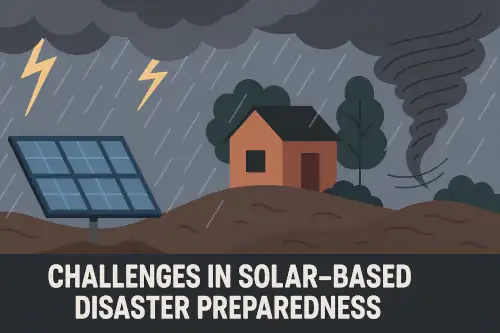
While solar power offers numerous benefits in disaster scenarios, there are challenges that need tackling. One of the biggest hurdles is the initial cost. Investing in solar technology can require significant upfront expenditure, from purchasing panels and batteries to installing necessary infrastructure. For many communities, especially those with limited budgets, this can seem daunting.
Getting equipment into disaster zones is another major challenge. In areas with damaged roads or difficult terrain, transporting and setting up solar systems can be complicated. Logistics play a crucial role in ensuring that solar resources arrive on time and can be put to use swiftly where they’re needed most.
Certain solar setups require specific components, like special batteries or inverters, to operate effectively during outages. Ensuring that these systems work as intended calls for a combination of technical know-how and available materials, which can sometimes be a limiting factor.
Looking ahead, addressing these challenges involves strategic planning and investment. Governments and communities must consider long-term solar strategies, including budgeting for potential setups and creating a robust logistics plan. Collaborations with solar tech companies can also pave the way for breakthroughs in reducing costs and improving accessibility.
Moving toward a solar future in disaster preparedness is a step-by-step journey. Overcoming these challenges requires dedication and forward-thinking. Yet, the payoff—safer, more resilient communities—is worth the effort, promising a future where everyone can have a reliable power source even in the aftermath of disasters.
Your thoughts, comments and discussion are welcome below!
This is such a crucial and timely topic! Your article clearly explains why solar energy is a game-changer for disaster resilience. I especially appreciated the practical examples of how solar + storage systems provide critical power for communication, medical needs, and lighting when the grid fails. It’s a powerful reminder that investing in renewable energy isn’t just about sustainability, it’s about security and independence. Thank you for highlighting this vital application of solar technology!
Yes, solar can play a big role in disaster preparedness. As the old Scouts motto goes: “Be prepared!”
I remember the feeling of freedom I felt when I plopped a few solar panels out in my backyard, connected a Goal Zero battery power bank to them, and was able power my internet, computer, a few lights and keep my devices charged when the main power went out.
As a mom, my absolute number one priority is making sure my family is safe and comfortable, and the thought of a major, prolonged power outage is genuinely scary—especially with kids who rely on certain routines (and a refrigerator full of food!).
The idea that a solar system paired with a battery could essentially outage-proof our home is a game-changer for peace of mind. It’s not just about keeping the lights on; it’s about being able to:
Keep Communication Going: Being able to charge phones and stay connected with the outside world is a lifeline for coordinating safety.
Hi Leah. I couldn’t agree more! Thank you for sharing your experience and reiterating the importance of solar as a part of an emergency preparedness plan.
Stay safe in these unpredictable times!