
If you’re considering installing solar panels or simply want to understand how local solar ordinances could impact your home, it’s essential to know the rules in your area. Local governments put these regulations in place to manage how solar power is used in neighborhoods, affecting everything from where panels can be positioned to what kinds of systems are allowed. Solar power is more popular than ever, but these rules are far from uniform—unexpected restrictions might surprise homeowners. In this guide, we’ll break down the basics of solar ordinances, your rights as a homeowner, and the key steps you may need to take before adding renewable energy to your property.
What are Local Solar Ordinances?
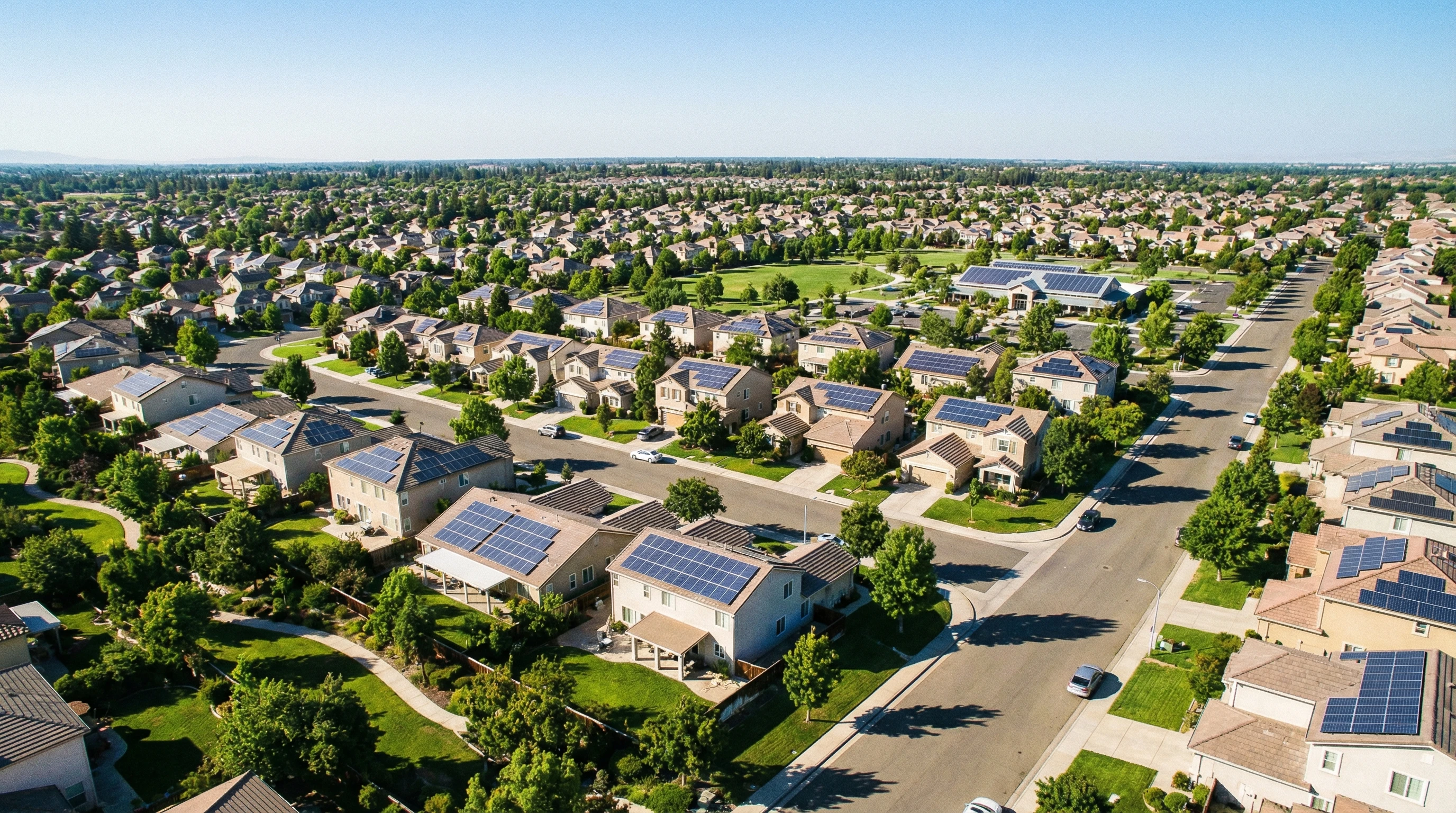
Local solar ordinances are rules crafted by cities, counties, or municipalities explaining how solar energy systems must be installed and operated within their limits. These rules can cover everything from required permits and zoning restrictions to the placement, orientation, size limits, height, and even appearance of the panels.
Many of these ordinances are meant to keep installations safe and ensure they don’t become a nuisance to neighbors or disrupt public spaces. Sometimes, the rules are designed to protect the look and feel of neighborhoods or help maintain property values. While most ordinances make it easier for people to adopt solar, a handful can sometimes complicate the installation process.
Does My State Have ‘Right to Install Solar Energy’ Laws?
Plenty of states have laws that let homeowners put solar energy systems on their property—usually referred to as “solar access” or “solar rights” laws. The goal is to stop homeowner associations (HOAs) or local authorities from outright banning solar panels. States like California, Florida, Texas, and Arizona, along with several others, have put down specific laws that block unreasonable restrictions on rooftop solar.
If your state offers these protections, chances are good you can move forward with your solar project as long as you stick to general safety, design, and installation guidelines. However, keep in mind that not every state has these laws. Checking with your state’s energy office or using resources like the DSIRE database (DSIRE USA) is a smart move to stay current with state laws about solar rights.
What Permission is Needed for Solar Panel Installation?
Before you get solar panels installed, you’ll likely need OKs from multiple parties. Here’s what typically comes up:
- Building Permits: Your city or county building department will make sure your solar setup meets local construction and safety codes.
- Zoning Approval: Certain areas may place limits on where you can put solar panels or how big your system can be through zoning laws.
- Utility Approval: Connecting your solar system to the electric grid will usually require approval and sign-off from your power company, who will review the design before work begins.
- HOA Approval (if relevant): If you live in an HOA community, you’ll probably need to get their green light too.
The whole process can take anywhere from a few weeks to a couple of months, depending on how involved the local process is. Skipping an approval or missing a step might mean costly delays or needing to reposition the equipment. Staying organized and asking your solar installer about their experience with local and HOA requirements will make the whole process smoother.
How to Work With or Around HOA Solar Panel Rules
HOAs have their own sets of rules about making changes to the outside of homes, and many homeowners only find this out once they begin planning for solar. Restrictions might cover where panels can be placed—for example, not allowing them on rooftops visible from the street—or require specific panel types or mounting styles.
Even in states with solar access protections, HOAs may be allowed to impose certain reasonable restrictions. One example is asking for alternate panel placement for design reasons, as long as this doesn’t dramatically increase costs or impact the efficiency. I always recommend reading through the HOA rules carefully and talking to the board at the start, using detailed plans and pictures to make approval easier. If your state’s solar rights are especially strong, you might be able to challenge over-the-top restrictions, but finding an amicable solution tends to work better for everyone involved.
Pros and Cons of Solar Ordinances
- Pros:
- Ensure solar setups are safe for properties and residents.
- Create clear standards so homeowners know what steps to take.
- Help settle disagreements between neighbors about glare or visual impact.
- Offer streamlined permitting with consistent processes.
- Cons:
- Can restrict panel placement, making it harder to maximize energy output.
- May mean higher up-front costs and longer wait times due to administrative hoops.
- Some rules may be behind the times or not reflect modern solar tech.
- HOA or design-related demands might pile on extra steps or confusion.
In my experience, people can overcome most of the disadvantages by starting early and keeping lines of communication open with all the right offices and boards.
How Hiring a Professional Can Help With Rules and Ordinances
Solar contractors and companies who know your area inside-out are usually up to speed on local ordinances and HOA details. When I kicked off my solar project, working with a local installer made a huge difference. These pros usually handle the permits and paperwork, know how to adapt their designs to fit the rules, and can spot issues before they turn into big setbacks.
If the rules or paperwork have you confused, bringing in a qualified contractor can pay off by making sure your application is solid, reducing the risk of costly revisions, and helping secure fast approvals. Many city governments even have programs connecting you with pre-approved contractors or show records of past solar installations, helping you choose someone whose track record speaks for itself.
Things to Consider Before Moving Forward
Turning solar into a win for your home is about more than what panels look the coolest; it’s mostly about staying on top of the rules. Here’s what I recommend:
- Check current city or county solar panel rules before buying any equipment or scheduling an install.
- Dig into your state’s solar rights laws, so you know your options if your HOA starts pushing back.
- Chat with neighbors who already have solar for real stories about the permit and approval adventure.
- Save physical and digital copies of all your written approvals or conversations with your city or HOA in case you need them down the road.
The process can be a little daunting at first, but breaking it into small, manageable pieces helps keep things stress-free.
Advanced Tips for Navigating Solar Ordinances
After being through a few solar installs myself, I’ve gathered a handful of tips that can ease dealing with those tricky rules:
- Download application forms as soon as possible, and work through them with your installer to minimize mistakes.
- If you hit a wall with your HOA or a city office, politely ask for clarification and get their answers in writing. This helps prevent misunderstandings and can be useful later.
- Keep an eye out for city meeting minutes or recent updates to ordinances online—sometimes local government makes positive changes thanks to public input.
- Team up with local solar co-ops or clean energy groups to connect with others who’ve gone through the same approvals.
Frequently Asked Questions
Does my state have specific protections for solar panel installation?
Many states have laws that make it easier for homeowners to put up solar panels, but the amount and strength of these protections can vary a lot. DSIRE USA is my go-to for up-to-date info by state.
What permissions do I need before getting solar panels?
Typically, you’ll need to secure a building permit, possibly zoning clearance, the go-ahead from your utility company, and (for many) HOA approval before any work starts. Check in with your installer and your city’s building office early to avoid last-minute hassles.
What should I do if my HOA tries to block my solar project?
Reread your community’s guidelines, talk directly with your HOA board, and politely ask for the reasons behind any restrictions in writing. If your state has a strong solar access law, you might have a case to challenge limits, but finding a middle ground first often keeps things friendlier and quicker.
Can hiring a professional really make the approval process easier?
Absolutely! An experienced solar installer will guide you through every step, help dodge paperwork errors, and make sure your setup ticks all the boxes. This usually speeds things along and sidesteps avoidable mistakes.
Getting a grip on your local solar ordinances might seem like a big job, but with the right approach and good planning, putting up solar panels can be surprisingly doable. I’ve found that being proactive, staying informed, and teaming up with reliable pros can turn any headache into a smooth process—and your solar project will be up and running sooner than you might think.
Thank you for writing such a clear and actionable overview. As someone researching solar, the permitting and HOA process often feels like the most daunting “black box.” Your guide demystifies it perfectly. I especially appreciated the concrete tips, like downloading application forms early and getting all HOA communications in writing. This post should be required reading before anyone gets a solar quote!
Cian, thanks for the comment! That’s what we’re here for. To help make the process of going solar easy and accessible for everyone, while avoiding the surprises and gotchas.