Making sure solar panels and wiring connect safely is a vital step in any solar power system. The DC connectors used to connect solar panels together, and to your system, are extremely important. These play a big part in long term reliability, performance and ease of maintenance/upgrading.
As solar electric technology has evolved, so have the DC connectors. Let’s explore!
What Solar Panel Connectors Do
Solar panel connectors are the vital links that connect multiple solar panels together and bring it all to other equipment like inverters, optimizers and charge controllers. They must provide a stable, reliable electrical path for direct current (DC) flow from the solar panel output.
These connectors also have to endure outdoor weather, the sun’s UV rays, and moisture or dust. Poor quality or loose connectors can cause a noticeable drop in power, or other performance issues and even pose safety/fire risks. Choosing the right connector matters – they are the vital link between your panels and your system. With solar panels lasting 25 years or more, the wiring and connectors must be up to task!
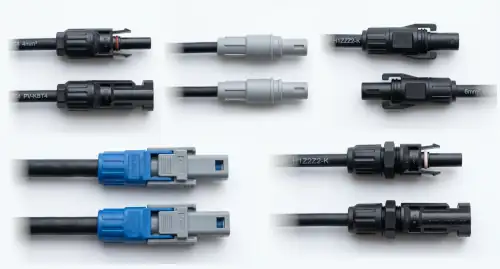
Common Types of Solar Panel Connectors
Here’s a quick rundown of some common types of DC connectors, each with their own pros and cons, you’ll see most often:
- Universal Solar Connectors (MC4 and Compatible): By far the most popular, these connectors are designed for quick, tool-assisted snap-in connections. They’re weatherproof and work with almost all new panels, making system upgrades and repairs much easier. These usually come standard with most new solar panels today.
- MC3 Connectors: These were common before MC4 connectors took over. MC3 connectors are smaller but lack the locking mechanism found in newer styles. I see them mostly on older panels or legacy systems.
- T4 Connectors: These connectors are similar to the MC4 but made by Amphenol. They offer an easy-fit design with strong waterproofing, and are used by brands that want something a bit different while still offering basic compatibility with MC4 systems.
- TYCO SolarLok Connectors: Popular on some European installations and certain commercial projects, SolarLok connectors are known for their reliability and sturdy build. I usually find these on larger scale solar farms or specialty projects.
- Radox Connectors: These are heavy duty connectors made for harsh environments. They have extra resistance to chemicals and high temperatures, so they work well in places with tough weather or industrial conditions.
Most residential panels use MC4 connectors today, but it is helpful to know about the other types if you’re upgrading older systems or working on a commercial-scale project.
MC4, by the way, is short for “Multi Connect 4 millimeter”. “Multi Connect” (now Stäubli) was the name of the company that developed the MC4 and MC3 connectors.
Connector Specs to Compare
When comparing connectors, here are some important points to consider for performance and reliability:
- Rated Current: How much current (in amps A) the connector can safely handle. Choosing a connector that matches or exceeds your panel’s output helps prevent overheating and fire risks. This is important, as solar panel arrays when joined in series/parallel produce low voltage with very high amperage.
- Voltage Rating: The highest voltage V the connector can work with. This matters for safety and for meeting code. In some large PV systems, where long strings of panels are connected in series (as well as parallel), there are high DC voltages. Voltage rating is especially important here.
- Wire Gauge Compatibility: Not every connector handles all wire sizes. Make sure the connector matches your wire to ensure proper fit and solid electrical connection.
- Ingress Protection (IP) Rating: This rating tells you how well the connector stands up to dust and water. Connectors with at least an IP65 rating or better are best for outdoor solar setups.
- Temperature Range: Some connectors are rated for lower or higher temperatures, which is important if you live in a place with extreme weather conditions.
- Certifications: IEC, UL, or TUV certifications mean the connector meets certain quality or safety standards. Use connectors from reputable suppliers that list these, especially for installations you want to last.
Be sure to study connector data sheets and specifications and compare with your solar panel output voltages/currents to ensure they are a right fit. Investing a little extra time in research ensures you set up a solar system that runs trouble-free for years.
Installation and Safety Notes
Connecting solar panels isn’t just about snapping pieces together. I always double-check the compatibility of connectors and use only weatherproofed components when working outdoors. Here are some steps and reminders based on my own installs:
- Match connectors carefully. Even if connectors look similar, not all brands work with each other. I always double check compatibility or use connectors from the same manufacturer.
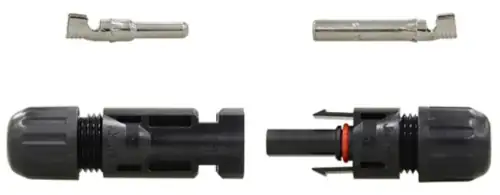
- Use proper tools for assembly. Most connectors need specific crimping tools to attach wires securely. Tool-free connectors are easier, but for big systems, a solid crimp is really important for safety and current flow.
- Inspect seals and locking mechanisms. Weather seals can get damaged or pinched during install, which can let in water. I watch for any cracks or loose fits before finishing the job.
- Try not to mix old and new connector types. This can cause loose fits or unreliable connections. If you are updating older panels, I find it best to update everything to one modern connector style.
- Wear insulated gloves during wiring work. The DC voltage, even at low voltages, can be a shock hazard or damage equipment if you accidentally short the wires. Especially in a wet environment.
Good connections start with the right components, careful assembly, and regular inspections for damage. If you hear crackling noises or see discolored plastic near connectors, or smell the “magic smoke”, that means it’s time to check for possible electrical issues. For added safety, consider keeping a set of spare connectors and a crimp tool nearby, especially if you do your own maintenance. This proactive step can save you precious time if you need to swap out a connector or fix a wire in a hurry.
Bringing It All Together
Having spent time installing and maintaining my own solar panels, I’ve learned to pay attention to connectors from the very start. The right connector lets solar power flow smoothly and safely, protects your investment from the elements, and makes future expansion less stressful. Each system is different, so I always base my connector choice on panel specs, installation environment, and future plans. Careful research, double-checking compatibility, and following safety guidelines go a long way to getting reliable, long lasting performance from your solar system.
Don’t underestimate the impact those little connectors have on efficiency and safety. The right choices will pay off for years with hassle-free operation and safer energy production. If you’re starting a solar project soon or planning a system upgrade, take a few minutes to give your connectors a close look. Your future self will thank you!