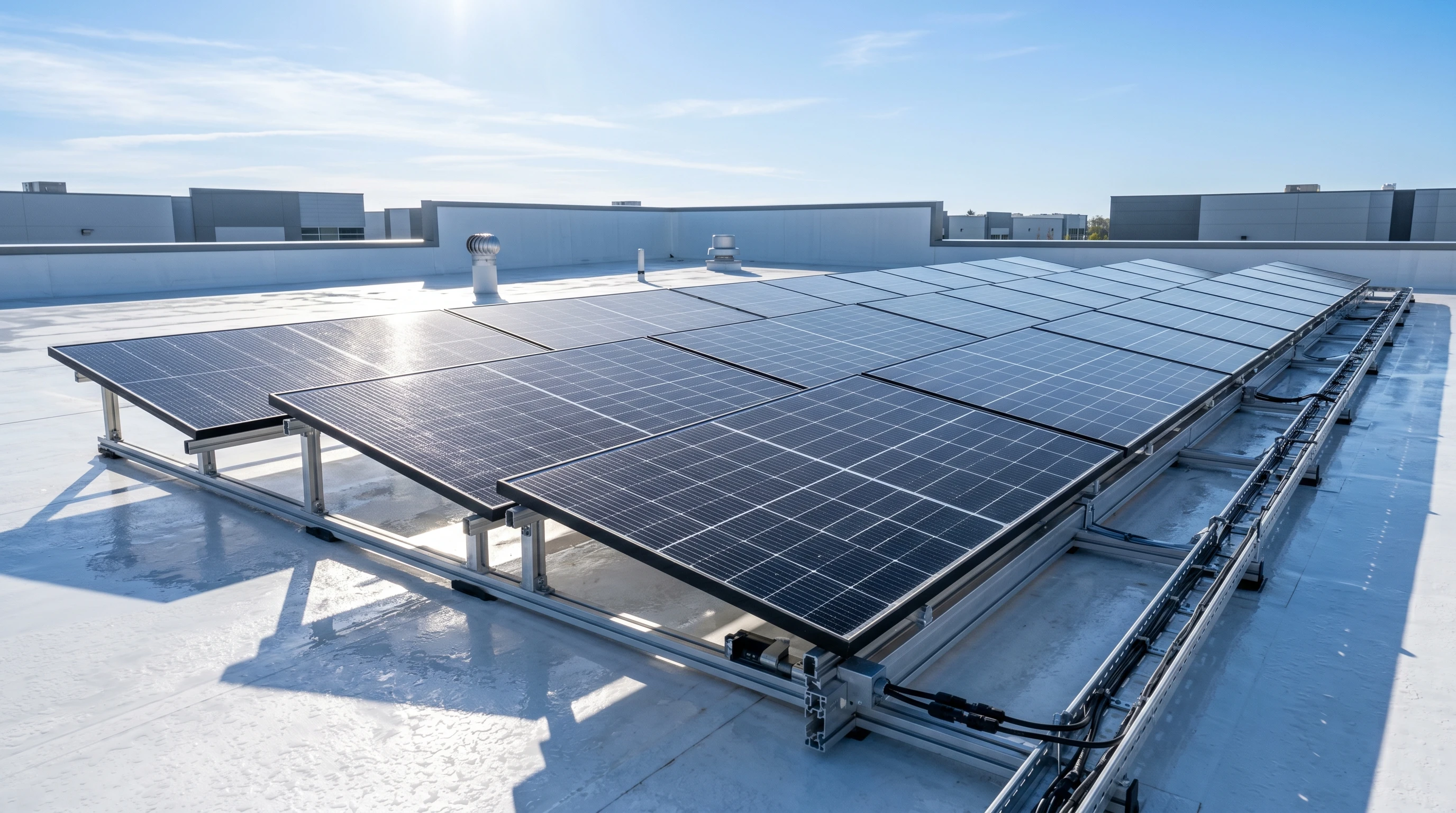
Looking for a modern combination N-type and bifacial solar panel in the 200-watt range? Let’s look at two models in the 200 watt ballpark that combine N-type and bifacial technologies as one unit. The Renogy 200W N-Type Bifacial Solar Panel and the EcoWorthy 195W N-Type 18BB Bifacial Solar Panel.
Both use modern N-type cell technology for it’s greater efficiency. Both are bifacial for capturing reflected light energy from behind. After looking over their features, specs, and user reviews, I’d like to share this comparison to help you decide what model will work best for your solar setup.
Meet the Panels: Renogy and EcoWorthy in Focus
What is the Renogy 200W N-Type Bifacial Solar Panel?
A new offering from Renogy for 2026, this 200 watt panel is designed for those wanting solid power output from a single, compact solar panel. Using N-type cells, it delivers high efficiency and is built for durability. Combine this with the bifacial design, it collects sunlight from both sides. I’ve found it’s ideal for people looking for versatile installation on rooftops, RVs, or small off-grid projects. Check Renogy’s product details here.
Who Should Consider the Renogy Panel?
- People with limited space who want the most watts per square foot
- DIYers who like known brands and reliable support
- Anyone planning to move or relocate panels over time
What is the EcoWorthy 195W N-Type 18BB Bifacial Solar Panel?
The EcoWorthy 195W panel also features modern N-type cells that feature a slightly heftier 18 busbar (18BB) arrangement for lower electrical resistance from the cell arrays to the panel’s output. As a bifacial, it also captures light from both sides, giving your system a boost in energy. This panel often pops up in recommendations for RVs, boats, and compact off-grid systems, especially where efficiency and budget matter. Check EcoWorthy’s product details here.
Who Should Consider the EcoWorthy Panel?
- RV and van owners who want lightweight, easily transportable panels
- Those on a budget looking maximum bang for the buck
- People setting up DIY off-grid cabins, tiny homes, or sheds
Bifacial N-Type Technology: What Makes These Panels Special
Bifacial solar panels generate power from the main side and also pick up reflected light from the other side of the panel. This can give your energy production a boost of 5% to 25%, depending on the mounting setup. N-type cells are an improvement over older P-type cells. These do better at handling heat and generally hold up longer over years of use. Since both panels use N type cells, you get solid efficiency and longevity you won’t typically see in basic solar panels.
Bifacial panels are a popular choice for mobile solar systems, too, since they’re known for pulling a bit of extra power in real world conditions. If you mount them near high albedo surfaces like white gravel, metal surfaces, or light coloered/silver rooftops, that additional reflected sunlight can really add up over the day.
- See also: What Are N-type And P-type Solar Panels? for a deeper dive into the subject.
Specs Comparison: Renogy vs EcoWorthy
- Rated Power: Renogy gives you 200W; EcoWorthy offers 195W. In practice, they’re nearly the same. Renogy also offers the option to purchase these as 100W panels.
- Cell Type: Both use high efficiency N-type monocrystalline cells.
- Bifacial Boost: Renogy claims as much as 30% extra from the rear, while EcoWorthy advertises up to 25% higher overall conversion.
- Busbars: EcoWorthy uses wider 18BB cells. Renogy is a 16BB busbar width. More busbars per cell can mean lower internal resistance for improved performance under a heavy electrical load.
- Dimensions & Weight: Both are similar in length, width, and thickness, with weights between 22 and 28 lbs. That makes solo installation easy if needed.
- Warranty: Renogy covers its panels with a 25 year performance warranty and a 5 year material warranty. EcoWorthy advertises a 5 year material warranty and a 25 year output warranty, so both line up with what you should expect for this type of panel.
Installation and Mounting Details
Both panels are built for easy installation. Whether you’re putting them on an RV, a cabin roof, or a backyard array, the process is pretty straightforward. Renogy panels include pre-drilled holes and work well with Renogy mounting kits. EcoWorthy’s panel arrives ready for standard mounts too, which is great for anyone tackling a DIY setup or working with a solar installer. They are lightweight and slim making it to relocate as your system needs evolve.
If you’re new to solar, you’ll appreciate that most mounting hardware for these kinds of panels is standardized, so swapping out or upgrading is fairly easy.
Efficiency and Real Life Performance
On spec sheets, Renogy posts panel efficiency of about 22% — which is solid. EcoWorthy tops out around 25%, thanks to the 18BB design. In real use, actual output depends heavily on installation angle, sun exposure, reflectivity, and weather. Many users report that, in similar settings, both deliver almost the same energy over time. One area where bifacial panels set themselves apart is when you have lots of extra sunlight bouncing around. In those situations, you might see a noticeable jump in output compared to regular panels. Using these solar panels as a shaded carport is a good example.
Generally angled or elevated setups over bright reflective surfaces work best for leveraging the bifacial feature of these panels.
Cost and Value
Renogy panels are usually priced a bit higher, reflecting their established reputation and the strength of their US customer support. EcoWorthy panels, meanwhile, are generally more budget friendly. The wider 18BB cell design and high efficiency per dollar of the EcoWorthy will give best bang for the buck.
Pricing of course shifts from time to time with sales and bundles, so it’s wise to check both brands for current or seasonal offers. Consider the cost alongside your long term support needs and how much extra peace of mind a known brand gives you.
Pros and Cons: Quick Overview
Renogy 200W N-Type Bifacial
Pros
- Trusted brand with responsive US support
- Wide 16 busbar cells (16BB) for maximum power transfer
- IP68 rated protection from dust and moisture
- Strong output, with as much as 30% extra gain from rear side
- Reputable brand with a long warranty and reliable build quality
- Option to purchase this in 100W or 200W sizes
- Extra thick glass that is more hail resistant
- Partial shade tolerant design
Cons
- Usually costs a bit more upfront
EcoWorthy 195W N-Type 18BB Bifacial
Pros
- Extra wide 18 busbar cells (18BB) for maximum power transfer
- Good mix of price and performance
- Versatile mounting options
- IP68 rated protection from dust and moisture
- Light and simple to install for DIY projects
- Water drainage holes around frame
- Easy mounting to EcoWorthy Dual Axis Tracker system
Cons
- Support and documentation may lag behind larger brands
User Reviews and Reliability
- Renogy: Owners talk about reliable output, responsive customer service, and easy installation. They sometimes point out higher pricing, but most agree the long term reliability makes it worth it.
- EcoWorthy: Buyers love the efficient cell design and fair pricing and some are reporting higher than rated power output. Some mention minor shipping hiccups or needing extra support, but overall daily performance gets a thumbs up from users.
Based on the solar DIY community, both these panels keep up with what they promise. They work well for homeowners, RV enthusiasts, or off-grid fans who want to make the most of their available space.
Which N-Type Bifacial Panel Should You Pick?
Both models are great choices in the 200W class if you care about efficiency, easy installation, and solid value.
I’d recommend the Renogy 200W NType Bifacial panel for anyone who wants top support, strong warranty coverage, and brand trust, even if you pay a little more up front.
The EcoWorthy 195W N-Type 18BB is the way to go if you want impressive efficiency at a budget price and don’t mind handling your own research on support.
Either way, both options are a next-generation step up from older panel technology and will deliver for any mobile or off-grid solar system. If you’re ready to jump into solar and need to max out your available space, you can’t go wrong with either one.
Got a “sun pocket” that traps a lot of sun? Let these bifacial panels turn that into extra energy!
Oh, and here is a little transparency: Our website contains affiliate links. This means if you click and make a purchase, we may receive a small commission. Don’t worry, there’s no extra cost to you. It’s a simple way you can support our mission to help you go Solar Electric, Now!
Solar Powered Cheers!